Gilles Berlioz

Christine and Gilles Berlioz wines: haute couture wines from Savoie

Domaine Christine et Gilles Berlioz wines: buy at the best price

Christine and Gilles BERLIOZ founded their estate in 1990 (it was later renamed Domaine Partagé). Set on the steep slopes of Chignin in the Savoie AOP, among limestone, silt and clay soils, its 4.8-hectare vineyard has been tended like a garden since 2007. Domaine Berlioz deliberately reduced its area from 7 to 4.8 hectares to farm more effectively using biodynamic methods, certified by DEMETER. 

Read more
See more
Filters

Price

€20.00 - €80.00

Volume

Parker WA rating

No choice available on this group

Burghound rating

No choice available on this group

Revue du Vin de France rating

No choice available on this group

Bettane & Desseauve rating

15 - 16

Prices drop

No choice available on this group

Download this list
There are 3 products.
Download this list
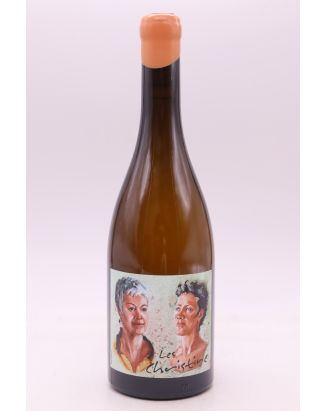
Gilles Berlioz Chignin Bergeron Les Christines 2022
Bio
4 in stock
116177
White
75cl
Add to cart
Savoie | Chignin Bergeron

Gilles Berlioz Chignin Bergeron Les Christines 2022

€78.00 inc-VAT per bottle
€65.00 ex-VAT
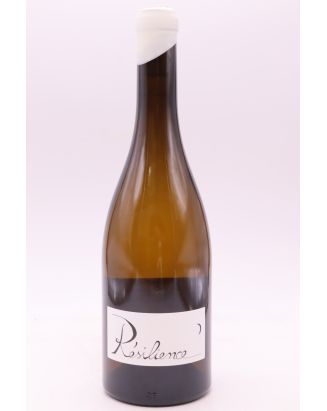
Gilles Berlioz Chignin Bergeron Résilience 2023
Bio
12 in stock
116176
White
75cl
Add to cart
Savoie | Chignin Bergeron

Gilles Berlioz Chignin Bergeron Résilience 2023

€54.00 inc-VAT per bottle
€45.00 ex-VAT
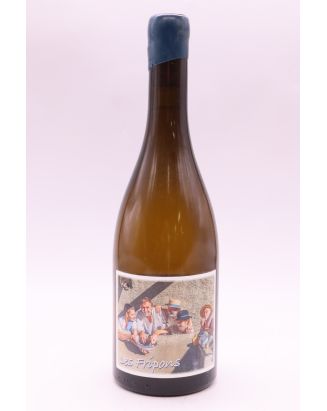
Gilles Berlioz Chignin Bergeron Les Fripons 2015
Bio
1 in stock
122782
White
75cl
16.5/20
15.5/20
Add to cart
Savoie | Chignin Bergeron

Gilles Berlioz Chignin Bergeron Les Fripons 2015

€36.00 inc-VAT per bottle
€30.00 ex-VAT

History of Domaine Gilles Berlioz

The son of a laborer and trained as a landscape gardener, Gilles Berlioz was by no means destined to become a winemaker. He took the plunge in 1990 with just 8,000 square meters of vines in Chignin, supported by his partner Christine. Entirely self-taught, reserved and passionate about living things, he learned his craft through observation, reading and exchanges with his peers. The vineyard grew slowly, plot by plot, to its current four and a half hectares—a deliberately modest area that allows for almost market-garden-like care.

The couple began converting to organic farming in the late 1990s, gained certification a few years later, then adopted biodynamic principles. The most symbolic gesture, however, was renaming the property Domaine Partagé. The choice reflects a philosophy: for Gilles Berlioz, everyone who has worked here, past and present, has helped make the estate what it is, and everyone shares responsibility for it all. That generosity extends to his relationship with the natural world: he sometimes sells a few grapes to winemaker friends such as Jean-Yves Péron or to artisan producers in Auvergne for joint experiments with maceration. Always seeking to improve, he regularly takes part in research and training on vines and viticulture. His labels, among the most original and funniest in Savoie, change every year and are drawn by artist friends, including illustrator Michel Tolmer.

Terroirs and Vineyards of Domaine Gilles Berlioz

Chignin occupies one of the most beautiful hillsides in the Combe de Savoie, backed by the Bauges massif and blessed with prime southern and southeastern exposures. The vines grow on limestone scree mixed with alluvium and clay, over a bed of hard limestone that provides excellent drainage and an immediately recognizable mineral character. The slopes are steep, sometimes dizzyingly so, and the day-to-night temperature swings typical of the Alpine climate preserve vibrant acidity and remarkably precise aromas.

Each plot is vinified separately according to the estate’s founding principle: one terroir, one cuvée. The Chignin-Bergeron wines therefore come from two distinct sites, one with shallower, stonier soils and the other south-facing with deeper topsoil, yielding two very different expressions of the same grape. Bergeron, the Savoyard name for Roussanne, takes pride of place here, producing wines more vibrant and tangy than those from its home in the northern Rhône Valley. It is joined by Jacquère, Chignin’s historic grape; Altesse for the Roussette de Savoie wines; and Mondeuse and a little Gamay for the reds. The soils are plowed by horse, yields are very low, and harvesting takes place in several passes to pick only perfectly ripe bunches. Total production rarely exceeds about 100 hectoliters per vintage.

Winemaking at Domaine Gilles Berlioz

Gilles Berlioz admits that he prefers working in the vineyard to working in the cellar, and his approach to winemaking follows directly from that: the healthier the grapes and the more carefully they are pressed, the less intervention is needed afterward. The whites are whole-bunch pressed over a long, gentle four to five hours, extracting the juice without harshness. No added yeast, no additives, no chaptalization: fermentation starts spontaneously and takes place at low temperatures.

A practitioner of sensitive crystallization, an analytical method that reveals the vitality of wines, the winemaker has chosen to ferment and age his wines primarily in tanks and horizontal fiberglass egg-shaped vessels, a neutral material that fully preserves the fruit’s brightness. Aging is deliberately brief, with bottling generally taking place in March following the harvest. Sulfur doses are very low, around 30 milligrams per liter in total, and decline year after year, as does the use of fining and filtration. The whites are lightly filtered; the reds are never filtered.

The Cuvées of Domaine Gilles Berlioz

Vin de Savoie Chignin Le Jaja is the estate’s entry-level wine and the most immediate expression of Jacquère. Made from about 7,000 square meters of 40-year-old vines planted on alluvial and clay soils over limestone on a southeast-facing slope, it charms with its pale color, aromas of citrus and white flowers, and a lively, crystalline, thirst-quenching palate. It is a straightforward mountain white, perfect with Tomme de Savoie or lake fish. The Cricri cuvée, introduced with the 2020 vintage and bearing a label drawn by Michel Tolmer that depicts Christine, offers an even more cheerful, approachable take on Jacquère, made from recently acquired vines that are undergoing conversion.

Roussette de Savoie El Hem is devoted to Altesse, the region’s noble, demanding grape. Its name honors a lawyer who helped the winemaker out of a difficult situation and became a close friend. Born of a superb terroir, this cuvée has more body and density than Le Jaja: stewed fruit notes ranging from pear and quince to pineapple and mango, a concentrated, rounded palate held in check by a mineral backbone, tangy tension, and an exceptionally long, saline finish with a hint of iodine. It is a fine white for the table, made for blanquette or chicken with rice, and capable of aging gracefully for up to around ten years.

The two Chignin-Bergeron wines are the estate’s finest. Les Fripons comes from the plots with the poorest, stoniest soils: it has an intense lemon-yellow color, with aromas of yellow flowers, quince jelly, peach and apricot, lifted by a tangy hint of orange hard candy, passion fruit and kiwi, along with a minty note and a touch of smoke. The palate is textured and deep, dominated by a minerality that enhances Roussanne’s floral and fruity bouquet. Dense and complex, it pairs beautifully with Arctic char or quenelles and can be cellared for around ten years. Les Filles, a tribute to the many women who have helped sustain Domaine Partagé, comes from a south-facing plot with deeper topsoil, harvested in several passes to pick only the ripest bunches. Fleshier, rounder and more velvety than its counterpart, it offers enticing, intense fruit suggesting mandarin and warm spices, with a rich, complex palate that remains fresh and remarkably easy to drink. Its clear lemon-yellow color, bouquet of stone fruit, white flowers and fresh herbs, and great purity make it a wine that can age for up to about twelve years and benefits greatly from decanting.

Among the reds, Vin de Savoie La Deuse showcases Mondeuse, Savoie’s emblematic, hardy grape, and is bottled without filtration. It has a dark color, a spicy nose of black pepper, violet and dark fruit, and a firm, fresh palate with fine tannins and a lovely long, saline finish: an authentic mountain red made for charcuterie and roasted meats that improves over five to ten years. The Bibi cuvée, also introduced with the 2020 vintage and bearing a Michel Tolmer label depicting Gilles himself, blends Gamay and Mondeuse in an unabashedly fruit-forward style: crisp red fruit, suppleness and immediate drinkability. It is a wine made for pleasure, a reminder that at Domaine Partagé, dedication to the work never rules out joy.

WHAT THEY SAY ABOUT US

5 good reasons to buy wines on V&M

...

EXPRESS DELIVERY

In a secure polystyrene packaging

...

INTERNATIONAL SHIPPING

Find out more about VAT-EX sale for outside EU deliveries

...

COLLECTION NEAR PARIS & VAT REFUND FOR TOURISTS

Free collection in our warehouse near central Paris (92)

...