Haut Médoc

Wines from the Haut-Médoc appellation in Bordeaux

Haut-Médoc (4,700 ha) is the southern part of the Médoc, which, northwest of Bordeaux, runs along the Gironde estuary. It includes the prestigious communes of the Left Bank of Saint-Estèphe, Pauillac, Saint-Julien, and Margaux, as well as Listrac and Moulis. The red Bordeaux wines produced in this area, outside these communal appellations, qualify for the Haut-Médoc AOC. The red wines of Haut-Médoc are dark ruby, concentrated, and tannic, with Cabernet Sauvignon as the majority grape variety, blended with Merlot. The gravel soils ensure good water drainage and heat retention from the sun, aiding proper grape ripening, as well as a deep root system, ideal conditions for producing great wines. Authorized yields are 43 hl/ha (40 hl/ha for communal appellations).

Read more
See more
Download this list
There are 60 products.
Download this list
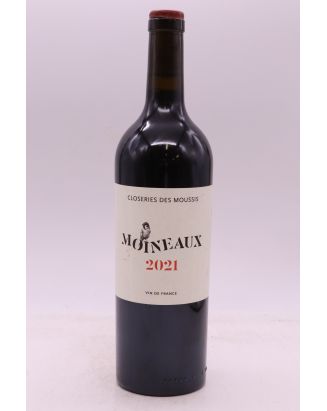
Closerie des Moussis Moineau 2021
2 in stock
118480
Red
75cl
Add to cart
Bordeaux | Vin de France

Closeries des Moussis Moineau 2021

€27.00 inc-VAT per bottle
€22.50 ex-VAT
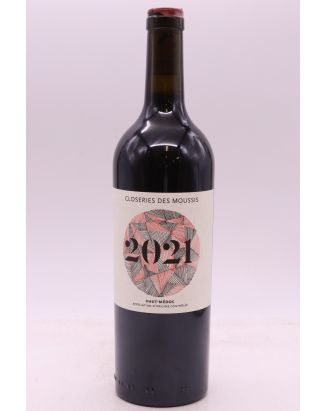
Closeries des Moussis 2021
2 in stock
118478
Red
75cl
Add to cart
Bordeaux | Haut Médoc

Closeries des Moussis 2021

€30.00 inc-VAT per bottle
€25.00 ex-VAT
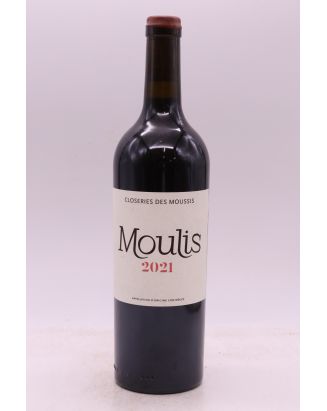
Closerie des Moussis Moulis 2021
2 in stock
118479
Red
75cl
Add to cart
Bordeaux | Moulis en Médoc

Closeries des Moussis Moulis 2021

€48.00 inc-VAT per bottle
€40.00 ex-VAT
Closerie des Moussis 2021
14 in stock
106673
Red
75cl
Add to cart
Bordeaux | Moulis en Médoc

Closerie des Moussis 2021

€30.00 inc-VAT per bottle
€25.00 ex-VAT
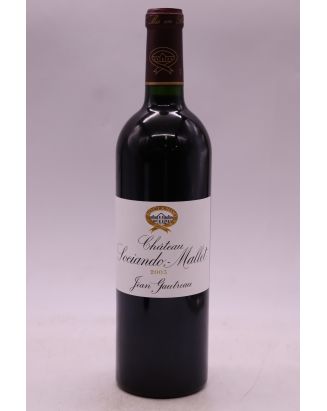
Sociando Mallet 2003
0 in stock
126408
Red
75cl
93/100
92/100
18/20
17/20
Out of stock
Bordeaux | Haut Médoc

Sociando Mallet 2003

€46.80 inc-VAT per bottle
€39.00 ex-VAT
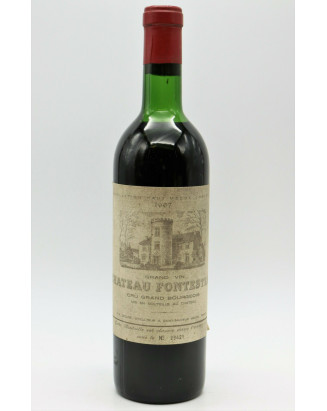
Fontesteau 1967 -10% DISCOUNT !
-10%
Last one !
1 in stock
66316
Red
75cl
High shoulder
Add to cart
Bordeaux | Haut Médoc

Fontesteau 1967 -10% DISCOUNT !

€183.60 inc-VAT per bottle €204.00 inc-VAT -10%
€153.00 ex-VAT
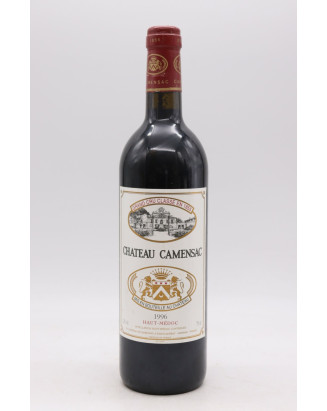
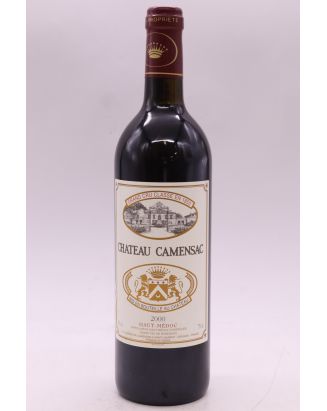
Camensac 1996
4 in stock
78043
Red
75cl
85-86/100
Add to cart
Bordeaux | Haut Médoc

Camensac 1996

€40.56 inc-VAT per bottle
€33.80 ex-VAT
Tour Carnet 1996
Last one !
1 in stock
83093
Red
75cl
84-86/100
Add to cart
Bordeaux | Haut Médoc

Tour Carnet 1996

€54.00 inc-VAT per bottle
€45.00 ex-VAT
Verdignan 1995
3 in stock
89570
Red
75cl
85/100
Add to cart
Bordeaux | Haut Médoc

Verdignan 1995

€48.00 inc-VAT per bottle
€40.00 ex-VAT
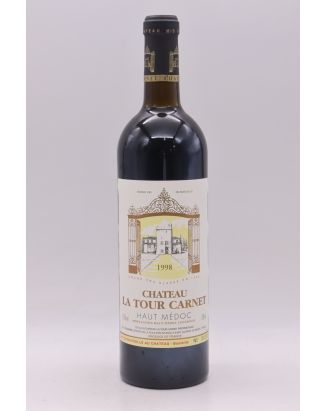
La Tour Carnet 1998
5 in stock
92755
Red
75cl
83-85/100
Add to cart
Bordeaux | Haut Médoc

La Tour Carnet 1998

€36.00 inc-VAT per bottle
€30.00 ex-VAT
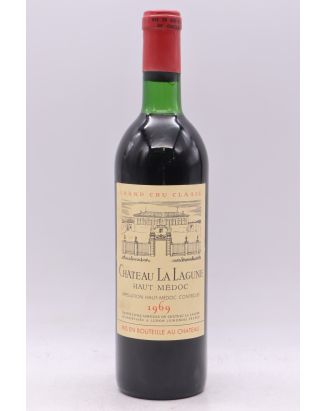
Lagune 1969
8 in stock
93150
Red
75cl
Very High Shoulder
Add to cart
Bordeaux | Haut Médoc

Lagune 1969

€192.00 inc-VAT per bottle
€160.00 ex-VAT
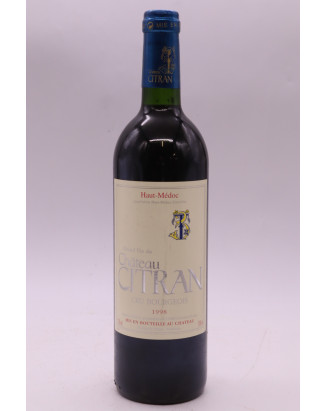
Citran 1998
5 in stock
78044
Red
75cl
86/100
85/100
Add to cart
Bordeaux | Haut Médoc

Citran 1998

€32.40 inc-VAT per bottle
€27.00 ex-VAT
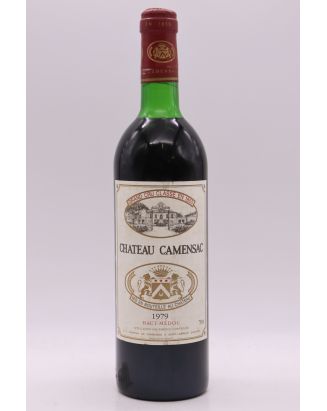
Camensac 1979
5 in stock
96142
Red
75cl
Slightly Damaged
Very High Shoulder
Add to cart
Bordeaux | Haut Médoc

Camensac 1979

€60.00 inc-VAT per bottle
€50.00 ex-VAT
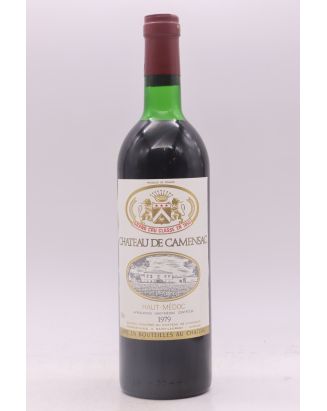
Camensac 1979
11 in stock
99938
Red
75cl
Very High Shoulder
Add to cart
Bordeaux | Haut Médoc

Camensac 1979

€60.00 inc-VAT per bottle
€50.00 ex-VAT
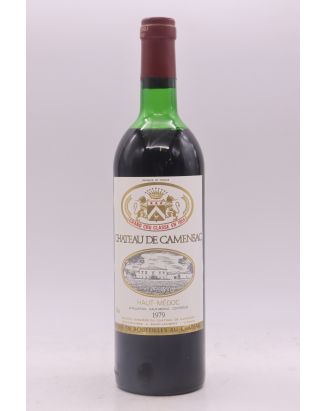
Camensac 1979 -10% DISCOUNT !
-10%
5 in stock
99939
Red
75cl
High shoulder
Add to cart
Bordeaux | Haut Médoc

Camensac 1979 -10% DISCOUNT !

€54.00 inc-VAT per bottle €60.00 inc-VAT -10%
€45.00 ex-VAT
Camensac 1984
6 in stock
99942
Red
75cl
Very slightly damaged
Very High Shoulder
Add to cart
Bordeaux | Haut Médoc

Camensac 1984

€57.60 inc-VAT per bottle
€48.00 ex-VAT
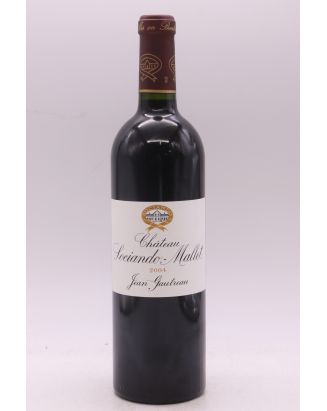
Sociando Mallet 2004
2 in stock
105903
Red
75cl
90/100
90/100
17/20
16.5/20
Add to cart
Bordeaux | Haut Médoc

Sociando Mallet 2004

€42.00 inc-VAT per bottle
€35.00 ex-VAT
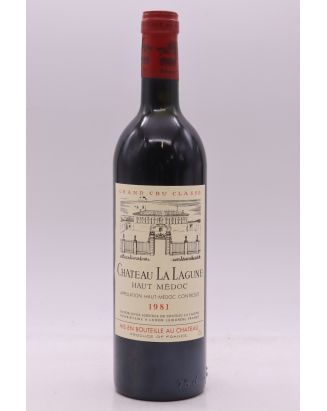
Lagune 1981
8 in stock
107855
Red
75cl
Very High Shoulder
91/100
Add to cart
Bordeaux | Haut Médoc

Lagune 1981

€84.00 inc-VAT per bottle
€70.00 ex-VAT
Cantemerle 1975 Jéroboam 3l
-10%
Last one !
1 in stock
113448
Red
300cl
Slightly Damaged
High shoulder
Add to cart
Bordeaux | Haut Médoc

Cantemerle 1975 Jéroboam 3l

€405.00 inc-VAT per bottle €450.00 inc-VAT -10%
€337.50 ex-VAT
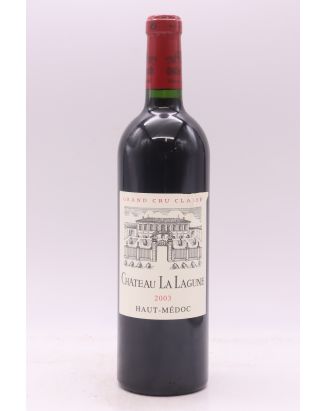
Lagune 2003
10 in stock
113772
Red
75cl
88/100
87/100
15/20
15/20
Add to cart
Bordeaux | Haut Médoc

Lagune 2003

€66.00 inc-VAT per bottle
€55.00 ex-VAT
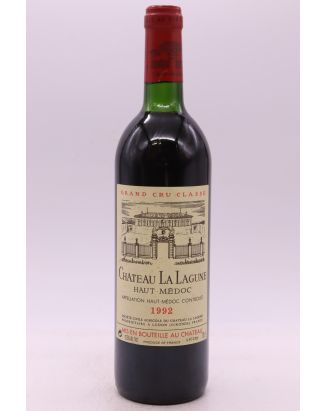
Lagune 1992
Last one !
1 in stock
117236
Red
75cl
Très Légèrement bas
85/100
Add to cart
Bordeaux | Haut Médoc

Lagune 1992

€66.00 inc-VAT per bottle
€55.00 ex-VAT
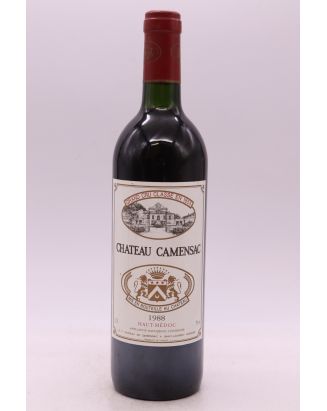
Camensac 1988
Last one !
1 in stock
121102
Red
75cl
Add to cart
Bordeaux | Haut Médoc

Camensac 1988

€48.00 inc-VAT per bottle
€40.00 ex-VAT
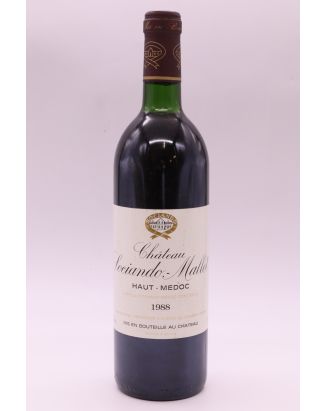
Sociando Mallet 1988
Last one !
1 in stock
121817
Red
75cl
Very High Shoulder
87/100
91/100
16/20
Add to cart
Bordeaux | Haut Médoc

Sociando Mallet 1988

€54.00 inc-VAT per bottle
€45.00 ex-VAT
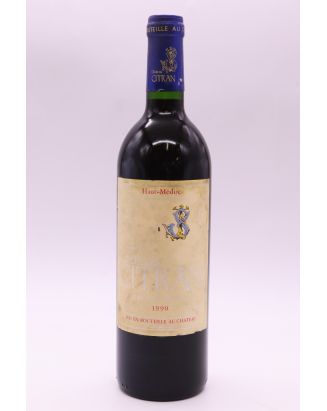
Citran 1990
2 in stock
122151
Red
75cl
Slightly Damaged
87/100
Add to cart
Bordeaux | Haut Médoc

Citran 1990

€48.00 inc-VAT per bottle
€40.00 ex-VAT
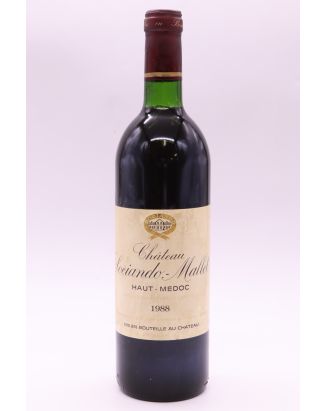
Sociando Mallet 1988
17 in stock
122129
Red
75cl
Slightly Damaged
Very High Shoulder
87/100
91/100
16/20
Add to cart
Bordeaux | Haut Médoc

Sociando Mallet 1988

€54.00 inc-VAT per bottle
€45.00 ex-VAT
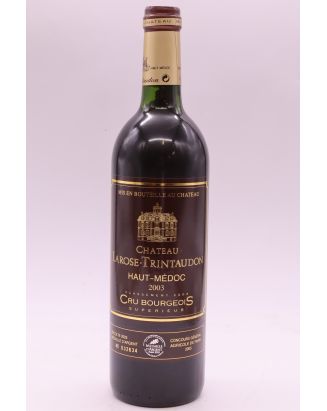
Larose Trintaudon 2003
7 in stock
122866
Red
75cl
85/100
Add to cart
Bordeaux | Haut Médoc

Larose Trintaudon 2003

€30.00 inc-VAT per bottle
€25.00 ex-VAT
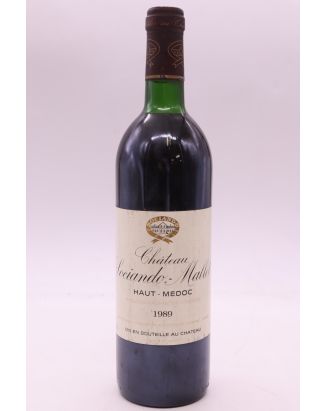
Sociando Mallet 1989
Last one !
1 in stock
123255
Red
75cl
Very High Shoulder
90/100
90/100
16/20
Add to cart
Bordeaux | Haut Médoc

Sociando Mallet 1989

€84.00 inc-VAT per bottle
€70.00 ex-VAT
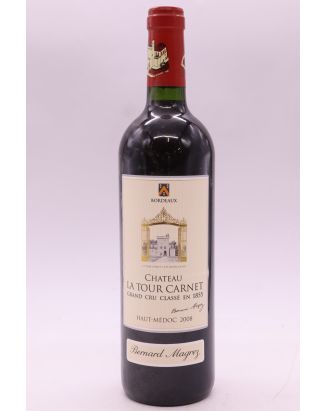
Tour Carnet 2008
7 in stock
123519
Red
75cl
91/100
88/100
16/20
15.5/20
Add to cart
Bordeaux | Haut Médoc

Tour Carnet 2008

€36.00 inc-VAT per bottle
€30.00 ex-VAT
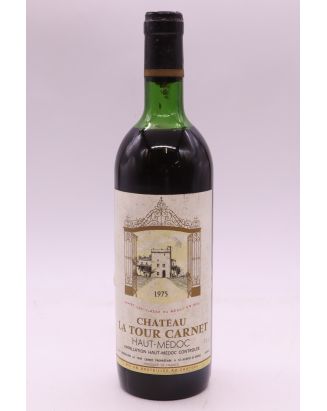
Tour Carnet 1975 - PROMO -10% !
-10%
6 in stock
123721
Red
75cl
Slightly Damaged
High shoulder
Add to cart
Bordeaux | Haut Médoc

Tour Carnet 1975 - PROMO -10% !

€70.20 inc-VAT per bottle €78.00 inc-VAT -10%
€58.50 ex-VAT
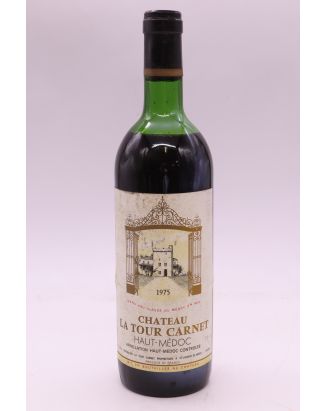
Tour Carnet 1975 - PROMO -25% !
-25%
6 in stock
123722
Red
75cl
Slightly Damaged
Mid Shoulder
Add to cart
Bordeaux | Haut Médoc

Tour Carnet 1975 - PROMO -25% !

€58.50 inc-VAT per bottle €78.00 inc-VAT -25%
€48.75 ex-VAT
Camensac 2000
28 in stock
124204
Red
75cl
89/100
90/100
Add to cart
Bordeaux | Haut Médoc

Camensac 2000

€42.00 inc-VAT per bottle
€35.00 ex-VAT
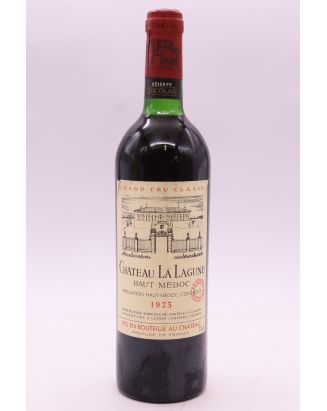
Lagune 1975
1 in stock
124751
Red
75cl
Very slightly damaged
Very High Shoulder
86/100
Add to cart
Bordeaux | Haut Médoc

Lagune 1975

€130.00 inc-VAT per bottle
€108.33 ex-VAT
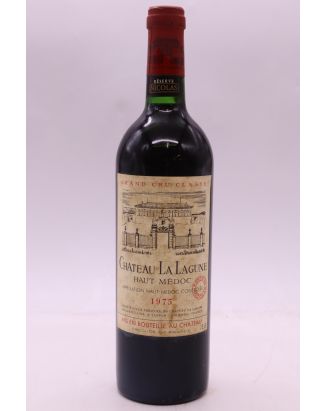
Lagune 1975
2 in stock
124750
Red
75cl
Very slightly damaged
86/100
Add to cart
Bordeaux | Haut Médoc

Lagune 1975

€130.00 inc-VAT per bottle
€108.33 ex-VAT
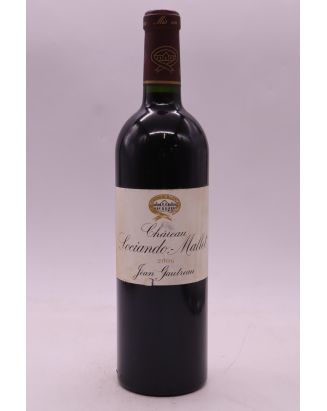
Sociando Mallet 2006 - PROMO -5% !
-5%
2 in stock
126138
Red
75cl
Slightly Damaged
Add to cart
Bordeaux | Haut Médoc

Sociando Mallet 2006 - PROMO -5% !

€43.32 inc-VAT per bottle €45.60 inc-VAT -5%
€36.10 ex-VAT
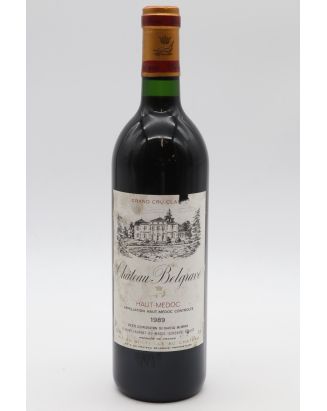
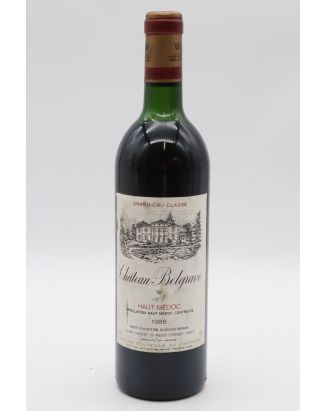
Belgrave 1988
3 in stock
129298
Red
75cl
Very High Shoulder
Add to cart
Bordeaux | Haut Médoc

Belgrave 1988

€42.00 inc-VAT per bottle
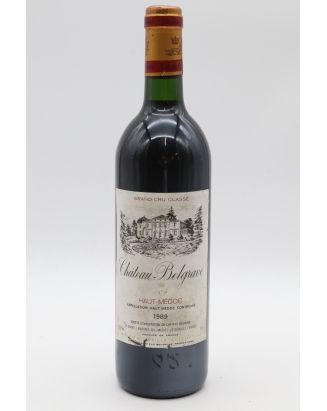
€35.00 ex-VAT
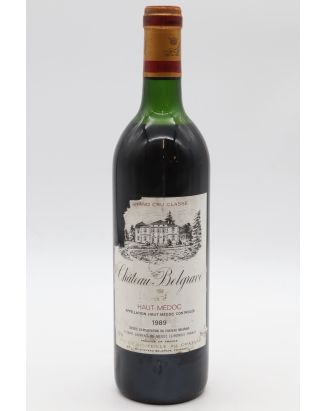
Belgrave 1989
1 in stock
129300
Red
75cl
Slightly Damaged
89/100
Add to cart
Bordeaux | Haut Médoc

Belgrave 1989

€60.00 inc-VAT per bottle
€50.00 ex-VAT
Belgrave 1989
1 in stock
129299
Red
75cl
Very slightly damaged
89/100
Add to cart
Bordeaux | Haut Médoc

Belgrave 1989

€60.00 inc-VAT per bottle
€50.00 ex-VAT
Belgrave 1989 - PROMO -20% !
-20%
1 in stock
129301
Red
75cl
Damaged
High shoulder
89/100
Add to cart
Bordeaux | Haut Médoc

Belgrave 1989 - PROMO -20%!

€48.00 inc-VAT per bottle €60.00 inc-VAT -20%
€40.00 ex-VAT
Camensac 2003
11 in stock
129413
Red
75cl
Very slightly damaged
89/100
86/100
Add to cart
Bordeaux | Haut Médoc

Camensac 2003

€39.60 inc-VAT per bottle
€33.00 ex-VAT
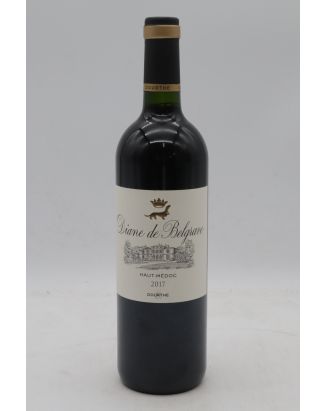
Diane de Belgrave 2017
7 in stock
130848
Red
75cl
Add to cart
Bordeaux | Haut Médoc

Diane de Belgrave 2017

€16.80 inc-VAT per bottle
€14.00 ex-VAT
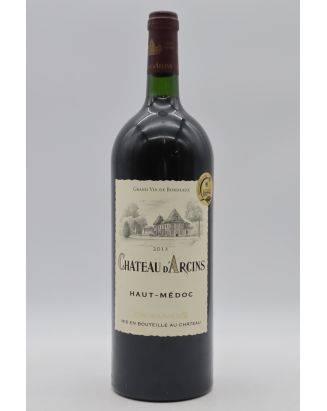
Arcins 2015 Magnum
1 in stock
131009
Red
150cl
87+/100
15.5/20
Add to cart
Bordeaux | Haut Médoc

Arcins 2015 Magnum

€36.00 inc-VAT per bottle
€30.00 ex-VAT
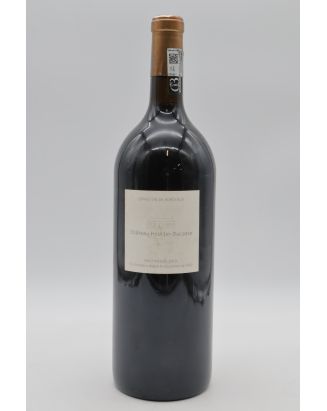
Hourtin Ducasse 2010 Magnum
1 in stock
131040
Red
150cl
87/100
Add to cart
Bordeaux | Haut Médoc

Hourtin-Ducasse 2010 Magnum

€30.00 inc-VAT per bottle
€25.00 ex-VAT
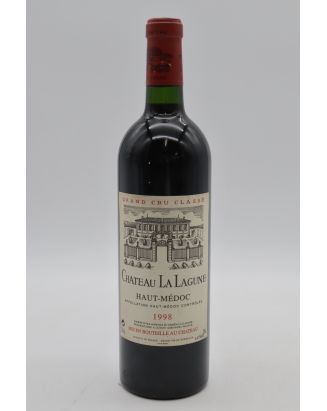
Lagune 1998
3 in stock
131219
Red
75cl
Add to cart
Bordeaux | Haut Médoc

Lagune 1998

€66.00 inc-VAT per bottle
€55.00 ex-VAT
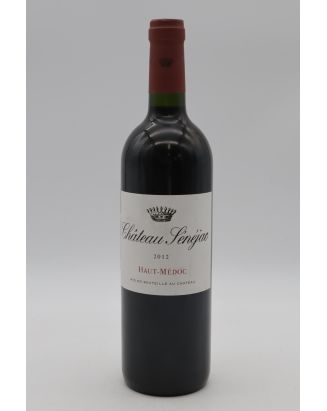
Sénéjac 2012
5 in stock
131302
Red
75cl
86/100
15/20
Add to cart
Bordeaux | Haut Médoc

Sénéjac 2012

€20.40 inc-VAT per bottle
€17.00 ex-VAT
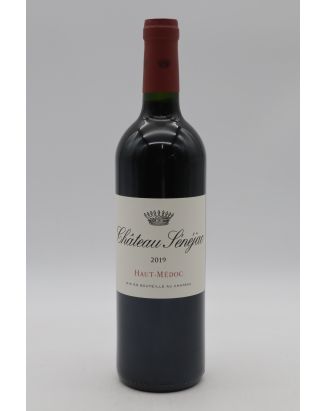
Sénéjac 2019
12 in stock
131304
Red
75cl
Add to cart
Bordeaux | Haut Médoc

Sénéjac 2019

€18.00 inc-VAT per bottle
€15.00 ex-VAT
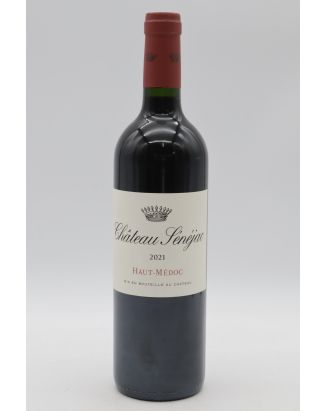
Sénéjac 2021
12 in stock
131303
Red
75cl
Add to cart
Bordeaux | Haut Médoc

Sénéjac 2021

€18.00 inc-VAT per bottle
€15.00 ex-VAT
Cantemerle 2001
1 in stock
131517
Red
75cl
88/100
16/20
15.5/20
Add to cart
Bordeaux | Haut Médoc

Cantemerle 2001

€42.00 inc-VAT per bottle
€35.00 ex-VAT
Cantemerle 2003
2 in stock
131519
Red
75cl
15/20
Add to cart
Bordeaux | Haut Médoc

Cantemerle 2003

€39.60 inc-VAT per bottle
€33.00 ex-VAT
Sociando Mallet 2006
5 in stock
131614
Red
75cl
17/20
16.5/20
Add to cart
Bordeaux | Haut Médoc

Sociando Mallet 2006

€45.60 inc-VAT per bottle
€38.00 ex-VAT
Sociando Mallet 2007
3 in stock
131615
Red
75cl
87/100
87/100
16.5/20
15.5/20
Add to cart
Bordeaux | Haut Médoc

Sociando Mallet 2007

€36.00 inc-VAT per bottle
€30.00 ex-VAT
Tour Carnet 2002
2 in stock
131621
Red
75cl
87/100
17/20
15/20
Add to cart
Bordeaux | Haut Médoc

Tour Carnet 2002

€30.00 inc-VAT per bottle
€25.00 ex-VAT

Where is the Haut-Médoc appellation located?

The Haut-Médoc appellation occupies the southern half of the Médoc peninsula, in the Gironde, on the left bank of the Garonne and then of the Gironde estuary, immediately north of the Bordeaux urban area. The zone stretches from Le Taillan-Médoc and Blanquefort in the south to Saint-Seurin-de-Cadourne in the north — nearly 50 kilometres long and barely more than ten kilometres wide — and covers approximately 4,600 hectares of vines spread across twenty-eight communes in the département.

This vineyard has a rare distinction: its area encompasses six prestigious communal appellations that are enclaved within it, namely Margaux, Moulis-en-Médoc, Listrac-Médoc, Saint-Julien, Pauillac and Saint-Estèphe. To the north, the Médoc appellation takes over, while the vast Landes forest closes the horizon to the west and protects the vines from oceanic winds. This geographical interlocking explains why certain plots, just a few hundred metres from some of the world's most sought-after growths, produce wines sold at prices that bear no comparison.

History of the Haut-Médoc appellation

The Haut-Médoc appellation d'origine contrôlée was recognised by the decree of 14 November 1936, during the first wave of AOC creations in France. Its history is, however, far older: from the Middle Ages, the viticultural centres of this area belonged to the clergy and to holders of the right of bourgeoisie of Bordeaux, and from the 16th century onwards the Bordeaux nobility established the bourdieux there — the direct ancestors of the Médoc château. The draining of the marshes by engineers from the Netherlands, in the 17th and 18th centuries, revealed the gravel ridges and enabled the development of the vineyard as we know it today.

The decisive turning point remains the 1855 classification, established for the Paris Universal Exhibition: five properties located within this area were included, which durably cemented the reputation of this vineyard. In parallel, the Crus Bourgeois du Médoc classification has structured the offer for decades; its current version, with three tiers (Cru Bourgeois, Cru Bourgeois Supérieur, Cru Bourgeois Exceptionnel), was renewed in February 2025 and distinguishes 170 châteaux. The specifications themselves continue to evolve, with a new approval by ministerial order dated 31 July 2025 and the regulated admission of varieties intended to address climate change.

What are the terroirs of the Haut-Médoc appellation?

The terroirs of this vineyard rest above all on gravel ridges — small, gently sloping stony hillocks deposited by the Garonne and the Pyrenean glaciers over the course of the Quaternary eras. These gravels, often deep, rest depending on the sector on a clay-limestone, clay or sandy subsoil, and provide remarkable natural drainage as well as the nocturnal restitution of heat accumulated during the day. Altitudes are modest, ranging from a few metres to around forty metres, and the landscape is carved up by the jalles, those small watercourses that drain away excess moisture.

The oceanic climate, tempered by the mass of water in the estuary and sheltered from the winds by the pine forest to the west, limits frost and extends the ripening of cabernet sauvignon through to October. The best exposures are those facing the Gironde, in keeping with the local saying that the great vines look out over the river: this is the case around Saint-Seurin-de-Cadourne, Cussac-Fort-Médoc and Macau. To the west, Saint-Laurent-Médoc and Cissac-Médoc offer more clay-rich soils and a firmer profile, while the south, towards Ludon-Médoc and Arsac, yields fine gravels suited to more supple wines.

What grape varieties are permitted in the Haut-Médoc appellation?

The permitted grape varieties are exclusively red: cabernet sauvignon, merlot, cabernet franc, petit verdot, cot (or malbec) and carménère. Cabernet sauvignon dominates the vine area by a wide margin, providing the tannic structure, the colour, aromas of blackcurrant, ripe bell pepper and cedar, as well as the capacity for ageing. Merlot, the second pillar of the blend, rounds out the texture, adds fleshy red fruit and allows for an earlier approach; its proportion increases on clay soils and in the southern part of the appellation.

Blending varieties play a decisive seasoning role. Petit verdot, planted in small quantities, deepens the colour and contributes spiced notes and a lively acidity; cabernet franc adds aromatic finesse and floral freshness; malbec brings dark fruit and roundness. Since the revision of the specifications, four varieties designated as varieties of interest for adaptation purposes — arinarnoa, castets, marselan and touriga nacional — may also be planted up to a limit of 5% of the holding's vine area, in order to anticipate the effects of climate change.

What are the different wine styles of the Haut-Médoc?

This appellation produces only still red wines, but two broad style families coexist within it. The first, built predominantly on cabernet sauvignon, is found mainly in the north and west: upright, dense wines, sometimes austere in their youth, with notes of blackcurrant, graphite, blonde tobacco and cedar, and tight tannins that require time. The second, more generous in merlot and concentrated in the south, yields velvety, indulgent wines with notes of plum and black cherry, enjoyable from three or four years onward.

Winemaking remains faithful to the Médoc model: sorting of the harvest, long macerations in temperature-controlled vats to extract the tannins gradually, followed by ageing of twelve to eighteen months in oak barrels, with a proportion of new wood that varies according to the level of the cuvée. On the food-pairing side, these wines naturally accompany entrecôte à la bordelaise, rack of lamb, duck magret, game birds or a côte de bœuf grilled over vine cuttings. The riper vintages also pair well with roast pigeon or pressed cheeses such as aged comté and ossau-iraty.

What are the best vintages of the Haut-Médoc?

The benchmark vintages of the past thirty years follow the hierarchy of the Bordeaux left bank: 1995 and 1996 (two particularly successful cabernet years), 2000, 2005, 2009, 2010, 2015, 2016, 2018, 2019, 2020 and 2022 form the foundation of the great successes. These years benefited from hot, dry summers, cool nights and healthy harvests — conditions essential for bringing cabernet sauvignon to full phenolic ripeness on the gravel ridges.

Other vintages display a more modest or uneven profile — such as 1997, 2002, 2007, 2013 and 2017, marked by rainy episodes or spring frost — and are best enjoyed now without further waiting. In between, 2001, 2004, 2006, 2008, 2012, 2014, 2021, 2023 and 2024 offer excellent value for money from serious producers, with more digestible and already open wines. In practical terms, 2005, 2009 and 2010 are entering their window of full maturity; 2014, 2012 and 2016 are becoming approachable; while 2018, 2019, 2020 and 2022 still merit several more years in the cellar before revealing their true dimension.

What are the best estates in the Haut-Médoc appellation?

Château Sociando-Mallet is the cult name of the appellation, the one sought out first by enthusiasts and collectors alike. Acquired in 1969 by Jean Gautreau when it comprised no more than five hectares, this growth from Saint-Seurin-de-Cadourne overlooks the estuary from a terroir of Günz gravels on a clay-limestone subsoil and today covers more than 80 hectares. Unclassified in 1855 and deliberately remaining outside the Crus Bourgeois classification, it produces an upright wine, austere in its youth, aged in new barrels, which regularly rivals the neighbouring classified growths after fifteen or twenty years. His daughter Sylvie Gautreau perpetuates this uncompromising style, supported by a well-regarded second wine, La Demoiselle de Sociando-Mallet.

Château La Lagune, a third growth in the 1855 classification, is the first grand cru one encounters when leaving Bordeaux along the Route des Châteaux, in Ludon-Médoc. Owned by the Frey family since 2000, it is run by oenologist Caroline Frey, who led it to organic certification from the 2016 vintage and subsequently to biodynamic certification, making this estate an environmental benchmark in the Médoc. Its fine gravels produce a wine of balance rather than power — elegant and floral, with a traditionally generous proportion of petit verdot. Château Cantemerle, a fifth growth established in Macau on some ninety hectares of sandy gravels, plays a similar tune: tender and silky in its youth, it gains in aromatic complexity after a decade and ranks among the most affordable classified growths in Bordeaux.

Château La Tour Carnet, a fourth growth from Saint-Laurent-Médoc, is one of the oldest estates in the Bordeaux region, with its 12th-century tower and moat; it once belonged to the family of Michel de Montaigne before being acquired in 1999 by Bernard Magrez, who carried out major investment there and crafted an atypical blend dominated by merlot, resulting in a broad and expressive wine. Château Belgrave, a fifth growth immediately neighbouring Saint-Julien and Château Lagrange, has been managed since 1979 by the Dourthe house: the wines are refined and balanced, long advised by Michel Rolland, and offer an excellent entry point into the classified growths. Château de Camensac, another fifth growth from Saint-Laurent-Médoc, was acquired in 2005 by Jean Merlaut and Céline Villars-Foubet, who also head Gruaud-Larose and Chasse-Spleen, and who have restored its structure, consistency and export presence.

Among the most sought-after unclassified growths are Château Citran, in Avensan — a property of the same Merlaut family, appreciated for its flavoursome and accessible wines — and Château Cambon La Pelouse, in Macau, whose rich, merlot-dominated style, aged partly in new oak, has made it one of the most consistently cited Crus Bourgeois Exceptionnels. Château Lanessan, in Cussac-Fort-Médoc, embodies family tradition and rigorous classicism, with deliberately lightly oaked wines built for ageing. Finally, the Crus Bourgeois Exceptionnels of the 2025 classification — among them Malescasse, de Malleret, Paloumey and du Taillan — represent the finest entry point for discovering this vineyard without going wrong.

How long should a Haut-Médoc wine be kept?

The ageing potential depends directly on the level of the property and the vintage. Entry-level cuvées and most Crus Bourgeois are ideally enjoyed between 4 and 10 years after the harvest, when the fruit remains vibrant and the tannins are already well integrated. Crus Bourgeois Supérieurs and Exceptionnels, as well as the best unclassified growths, generally require 6 to 15 years. The five growths classified in 1855 and internationally renowned growths such as Sociando-Mallet require at least 8 to 10 years and can hold for 20 to 30 years in great vintages such as 2005, 2010, 2016 or 2020.

To preserve this potential, store bottles on their sides in a stable cellar between 11 and 14 degrees, with humidity close to 70%, away from light, vibrations and strong odours. Decanting should be considered according to the age of the wine: one to two hours of aeration benefits young, tannic vintages, which gain in volume and fruit, while a wine of more than fifteen years should be decanted gently just before serving to separate the sediment, without excessive exposure to oxygen. Serving temperature should be around 16 to 17 degrees, a temperature that brings out the freshness and aromatic precision of these wines.

WHAT THEY SAY ABOUT US

5 good reasons to buy wines on V&M

...

EXPRESS DELIVERY

In a secure polystyrene packaging

...

INTERNATIONAL SHIPPING

Find out more about VAT-EX sale for outside EU deliveries

...

COLLECTION NEAR PARIS & VAT REFUND FOR TOURISTS

Free collection in our warehouse near central Paris (92)

...