


 Sign in
 Cart
0
Cart
0


What are the differences between Crémant and Champagne?

What are the differences between Crémant and Champagne?
France cultivates an art of the bubble that the rest of the world envies. Between Champagne, the universal symbol of celebration, and Crémant, the rising star of premium sparkling wines, there are nonetheless many nuances. For those wishing to choose a cuvée suited to every moment or to embark on a comparative tasting, understanding what truly distinguishes these two wines becomes essential. Let us discover together what separates and unites Crémant and Champagne, from geographical origin to aromatic palette, by way of the secrets of the production process.
Key takeaway:
- Geographical origin: Champagne can only be produced in the eponymous region, while Crémant comes from several French regions such as Alsace, Burgundy, the Loire or Jura.
- Grape varieties and blending: Champagne primarily uses the famous Champenois triptych: Chardonnay, Pinot Noir, and Pinot Meunier. Other grape varieties are permitted in Champagne even if less prevalent: Arbane, Pinot Blanc, Petit Meslier, and Pinot Gris. Crémant grape varieties, on the other hand, vary by region: Chenin Blanc, Riesling, Pinot Blanc, Pinot Gris, Gamay, etc.
- Production method: Both follow the traditional method (second fermentation in the bottle), but Champagne requires longer aging on lees (a minimum of 15 months for a non-vintage brut, compared to 9 to 12 months for a Crémant).
- Taste profile and aging: Champagne often presents minerality, aromatic complexity, and very fine persistent bubbles, while Crémant offers fruity or floral aromas and is generally consumed younger.
- Price and occasions: Champagne is more costly and symbolic for prestigious events, while Crémant offers an excellent value for money for aperitifs, convivial meals, or varied food pairings.
Geographical origin and production region
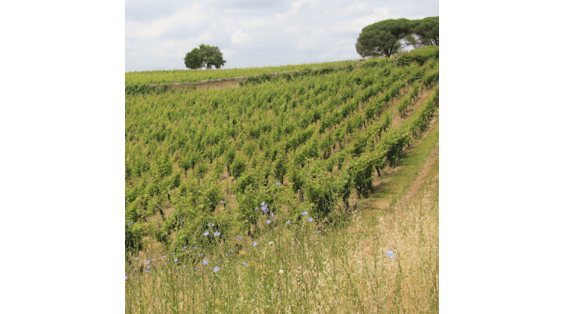
Geographical origin makes all the difference between Crémant and Champagne. Champagne can only be born in the famous eponymous region, in the northeast of France. Its cool air, chalky soils, and particular climate forge a unique character. Conversely, Crémant designates a category of AOCs produced outside Champagne, according to the traditional method. It is produced wherever the vine thrives with rigor and passion: Alsace, Burgundy, Loire, Jura, Bordeaux, Limoux. Each terroir brings its own distinctive touch.
The terroirs thus explain the great diversity of styles. A Crémant de Bourgogne draws on Chardonnay and Pinot Noir, close to those of Champagne, while a Crémant d'Alsace will favor Riesling and Pinot Blanc to a greater extent. This distinctiveness is felt from the very first sip.
Appellation d'Origine Contrôlée (AOC) and regulations
The Appellation d'Origine Contrôlée (AOC) represents a quality label, guaranteeing the wine's connection to its origin and to strict criteria. Champagne remains one of the most celebrated AOCs in the world, with very precise requirements regarding the grape varieties used, yields, cultivation methods, and aging duration.
Crémant also benefits from an Appellation d'Origine Contrôlée, granted only to certain territories meeting a precise set of specifications. The conditions vary by region, but the mention of "Crémant" on the label provides assurance regarding the mastery of the production process, even if the scope of operation remains broader than for Champagne.
Production process and winemaking method
Key similarities
Crémant and Champagne both rely on the renowned traditional method, formerly known as the méthode champenoise. This technique involves a second fermentation in the bottle, naturally creating the much-appreciated bubbles. The method also includes riddling and disgorgement to eliminate the sediment formed before the wine goes on sale.
This production process guarantees fine bubbles, aromatic freshness, and complexity. There is no question of industrial carbonation here: tradition takes precedence to offer an authentic sensory experience.
Differences in detail
The requirements are, however, more stringent in Champagne. For example, the aging period on lees extends to a minimum of 15 months for a non-vintage brut, compared to 9 to 12 months for a Crémant depending on the region. Some estates go even further to refine the mousse, nose, and palate.
The meticulous selection of grapes also plays a central role. Blending, the art of combining several grape varieties or plots, is also practiced to achieve the desired structure, but the approach varies greatly from one producer to another.
Grape varieties used and blending
The choice of grape varieties contributes greatly to the personality of each wine. Champagne primarily authorizes three emblematic varieties: Pinot Noir, Pinot Meunier, and Chardonnay. Their combination shapes the typical profile of the region: mineral tension, elegance, and length on the palate.
For Crémant, the list of grape varieties changes depending on the production region. Crémant de Loire favors Chenin Blanc, the Alsatian version juggles Pinot Gris or Riesling, while Crémant de Bourgogne often recalls Champagne with its Chardonnays and Pinot Noirs. This richness of blending explains the diversity of aromas, from indulgent fruitiness to delicate florals.
Aging duration and its impact on quality
The aging period considerably influences the development of aromas and the texture on the palate. The longer a sparkling wine rests on its lees, the more it develops complex notes of brioche or hazelnut, also gaining in breadth. In Champagne, extended aging offers depth, silky bubbles, and persistence.
While some Crémants rival Champagne in their patience in the cellar, many are best enjoyed young to preserve their vivacity and fruitiness. The balance between power, finesse, and freshness depends on the aging chosen by the winemaker.
Quality and price: how to compare?
Tasting notes
It would be reductive to judge the quality of a Crémant solely against the prestige of Champagne. Many Crémants today display impressive consistency, fine bubbles, and refined aromas, perfect for accompanying aperitifs as well as delicate dishes.
On the palate, the aim is balance between acidity, roundness, and aromatic expressiveness, with a clean finish. A good Crémant can be just as surprising as an entry-level Champagne, often at a moderate price.
Price level and accessibility
Price remains a determining factor when opening a great bottle for an event or sharing a simple glass among friends. Champagne costs more: the rarity of its terroir and the precision of its production justify this. Crémants often offer an excellent value for money, allowing you to discover a similar expertise without exceeding a reasonable budget.
Here are a few illustrative price ranges:
|
Wine |
Average price (bottle) |
|
Champagne |
€30–50 (or much more for the great cuvées) |
|
Crémant |
10-25€ |
Practical tips: serving, storage, and food pairings
Serve Crémant and Champagne well chilled, around 8 to 10°C, to bring out their fine bubbles and preserve the freshness on the nose. Use flutes or tulip-shaped glasses to concentrate the aromas upon opening. For storage, keep your bottles lying on their side in a cool, dark, and stable place, at a constant temperature between 10 and 12°C. Crémants are generally consumed within two years, whereas a vintage Champagne can withstand extended cellaring thanks to its longer aging.
When it comes to food pairings, Champagne and Crémant are equally at home at the table as they are at the aperitif. Try brut Champagne with seafood or a fish tartare, while a Crémant d'Alsace will brilliantly accompany a savory tart or fresh cheeses. Dare to pair a rosé Crémant with a fruity dessert to finish on an elegant note.
- For the aperitif: Brut Crémant or non-dosé Champagne
- With a refined meal: Blanc de Blancs Champagne
- With exotic cuisine: Demi-sec Crémant de Loire
- As a dessert: Rosé Crémant
Frequently asked questions about the differences between Crémant and Champagne
Can the same grape varieties be used to produce Crémant and Champagne?
Some grape varieties are found in both types of sparkling wines, notably Chardonnay and Pinot Noir. Yet each region imposes or favors specific varieties for its Crémant. For example, Crémant de Loire readily uses Chenin Blanc, whereas Champagne excludes Riesling, which is commonly used in Alsace. The freedom of blending differs according to the terroir.
- Champagne: Chardonnay, Pinot Noir, Pinot Meunier
- Crémant de Bourgogne: Chardonnay, Pinot Noir, Gamay
- Crémant d'Alsace: Riesling, Pinot Blanc, Pinot Gris
Why is Champagne often more expensive than Crémant?
Champagne commands a higher price due to several factors: international renown, stringent Appellation d'Origine Contrôlée (AOC) standards, land prices (the price of grapes per kilogram is the highest in the world), long aging duration, and the complexity of blending. Added to this are the region's reputation and the exclusivity of its terroir. Crémants benefit from a larger territory and mastered techniques without the premium of prestige.
|
Champagne |
Crémant |
|
Highly regulated process, worldwide renown |
Traditional method, diversified national production |
How do you choose between Crémant and Champagne for a special event?
Consider the context and the audience. Opt for Champagne for an official ceremony or a prestigious evening: its powerful symbolism will enhance the sense of occasion. Crémant will be ideal for convivial celebrations, buffets, or even fine dining, thanks to its diversity of profiles and its excellent value for money. Think about harmonizing with the dishes on offer to create a pleasant surprise on the palate.
- Refined dinner: Vintage brut Champagne
- Festive aperitif: Extra-brut Crémant
- Regional menu: Crémant from the relevant terroir
Is there a real difference in taste between Crémant and Champagne?
Yes, the difference in taste is explained by their geographical origin, the grape varieties used, and the winemaking method. Champagne often develops a mineral intensity and aromatic complexity accentuated by extended aging, whereas Crémant offers fruitier and more accessible palettes. Depending on your preference for freshness, fine bubbles, or toasty aromas, the choice naturally leans toward one or the other.
|
Profile |
Champagne |
Crémant |
|
Minerality |
Pronounced |
Variable |
|
Bubbles |
Very fine and persistent |
Fine to very fine depending on aging |
|
Aromas |
Brioche, hazelnut |
Fruity, floral |


COLLECTION NEAR PARIS & VAT REFUND FOR TOURISTS
Free collection in our warehouse near central Paris (92)