Wine 1956

The 1956 vintage holds a unique place in the history of French wine. It owes its fame not to the quality of its wines, but to the devastating freeze of February 1956. One of the harshest winters since 1709, it destroyed much of the Bordeaux vineyard and left a lasting mark on other regions. Wines from 1956 are therefore rare and often light; their appeal lies above all in their historical and symbolic value. Even so, a few great 1956 wines from prestigious terroirs have survived the decades and can be enjoyed as true collectors’ bottles. Choosing a wine from 1956 means favoring emotion and memory over power, guided by a carefully curated selection of well-preserved bottles.

Read more
See more
Filters

Price

€220.00 - €1,220.00

Vintage

Bottle size

Parker WA rating

95 - 95

Burghound rating

No options available for this group

Revue du Vin de France rating

No options available for this group

Bettane & Desseauve rating

No options available for this group

Prices drop

No options available for this group

Download this list
There are 3 products.
Download this list
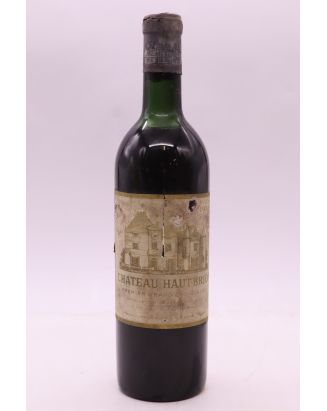
Haut Brion 1956
Last one !
1 in stock
124688
Red
75cl
Damaged
High shoulder
Add to cart
Bordeaux | Pessac Léognan

Haut Brion 1956

€1,200.00 inc-VAT per bottle
€1,000.00 ex-VAT
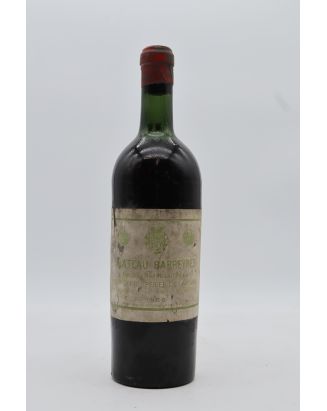
Barreyres 1956
Last one !
0 in stock
133617
Red
75cl
High shoulder
Out of stock
Bordeaux | Haut Médoc

Barreyres 1956

€348.00 inc-VAT per bottle
€290.00 ex-VAT
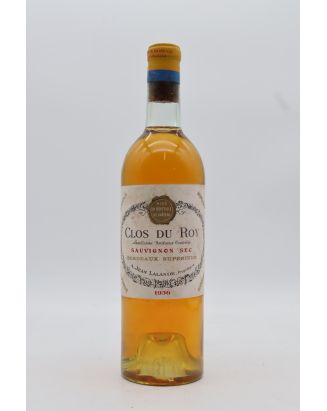
Clos du Roy 1956
Last one !
1 in stock
133618
White
75cl
Top shoulder
Add to cart
Bordeaux | Bordeaux

Clos du Roy 1956

€228.00 inc-VAT per bottle
€190.00 ex-VAT

Weather conditions for the 1956 vintage

The 1956 growing season began with a catastrophe. In February, a polar cold snap swept across France: in Bordeaux, temperatures fell to around −4°F, and blocks of ice floated down the Garonne. The freeze followed a mild spell that had already started the sap flowing, making its effects even worse. Many vines died, particularly on the right bank, in Saint-Émilion and Pomerol, where Merlot was hit hard. At Château Cheval Blanc, no bottles could be produced, and more than ten hectares had to be replanted. Elsewhere, some areas, such as Margaux, were relatively spared.

The rest of the season brought little relief. In the vineyards that survived, growth began very late, followed by a cool, rainy summer that slowed grape ripening. The harvest came late: at Château Margaux, picking did not begin until October 8. Burgundy, Champagne, Alsace and the Loire also endured the winter cold and cool summer, with harvests modest in both volume and ripeness. The vintage nevertheless brought profound changes, prompting many estates to replant and rethink their grape varieties.

Aging potential and tasting the 1956 wines

The 1956 wines were never highly concentrated, and they have now reached a very advanced stage of development. The reds, light from the outset, show tertiary aromas of leather, fallen leaves and mushrooms, with a delicate structure. Some grands crus from the Médoc and Côte de Nuits may still offer pleasant surprises if they have been stored in perfect conditions. Sweet wines, fortified sweet wines and oxidatively aged wines such as vin jaune have stood the test of time much better and offer the best prospects for enjoyment.

Tasting a wine of this age calls for care. Check the fill level and color closely, stand the bottle upright for several days, then open it with a two-pronged cork puller to protect the fragile cork. It is best to serve the wine directly or after a very brief decanting just before tasting, as these wines can fade quickly when exposed to air. Serve the reds at around 61°F, the sweet and fortified sweet wines at around 54–57°F, and enjoy the bottle within an hour of opening.

Giving a wine from the 1956 vintage

Giving a wine from the 1956 vintage is a deeply symbolic gift for a birthday or wedding anniversary, or to honor someone dear. The year 1956 also evokes the wedding of Grace Kelly and Prince Rainier III in Monaco, and the release of the film And God Created Woman, which brought Brigitte Bardot to worldwide attention. Above all, a 1956 bottle—whether a great Bordeaux, a Burgundy or a fortified sweet wine—is shared as a link to the past, and its rarity makes every tasting a unique occasion. For other dates to celebrate, the 1996, 1986, 1976 and 1966 vintages carry the same symbolic weight.

The 1956 vintage by wine region

Bordeaux: a historic vintage for its dramatic circumstances. The right bank bore the brunt of the February freeze, with Saint-Émilion and Pomerol losing much of their vines, although Château Ausone, on its hillside, was able to produce a light wine. The less affected left bank produced elegant but lightly concentrated wines in Margaux, Saint-Julien and Pauillac. Bottles of Sauternes from this year are rare and sought after for their historical value.

Burgundy: the region also suffered from the cold, and the vintage was modest. The wines are often lean and taut, with pure, acidic whites and straightforward, almost austere reds. A few great vineyards in the Côte de Nuits, notably those of Domaine de la Romanée-Conti, nevertheless produced wines that interest enthusiasts.

Champagne: the bitterly cold winter followed by a cool summer weighed on the harvest, and most houses did not declare a vintage. A few rare cuvées nevertheless exist, such as Salon and Philipponnat’s Clos des Goisses—true curiosities for enthusiasts of old champagnes.

Rhône Valley: an enigmatic year, often considered less severely affected than other regions. Today, 1956 Rhône wines are being rediscovered for their rarity and character rather than immediate drinking pleasure, making them worth exploring for anyone seeking a red from this vintage.

Loire: the cold snap reached the region, and the growing season did not allow the grapes to ripen well. Few bottles remain available, and sweet Chenin Blanc wines, sustained by their acidity, are the most likely to have aged well.

Alsace: like Champagne and the Loire, Alsace endured a harsh winter and a cool summer. Its 1956 wines have become extremely rare and are now collectors’ items.

Languedoc-Roussillon: arguably the best region to turn to when celebrating the 1956 vintage. Vintage-dated fortified sweet wines from Rivesaltes, Maury or Banyuls, aged oxidatively, have exceptional aging potential and can still be thoroughly enjoyed.

Provence: wines from this period have all but disappeared, and information about the vintage remains fragmentary. The few available bottles, notably from Bandol, are chiefly curiosities.

Southwest France: the February cold also left its mark on the region. Its 1956 wines are now very rare, and sweet Jurançon wines or the most robust reds are the only realistic options.

Beaujolais: wines intended for early drinking, from a cool and difficult year. The remaining bottles are of interest mainly to vintage collectors.

Jura and Savoie: vin jaune, protected by its aging under a veil of yeast and capable of lasting for decades, is one of the few reliable choices for finding a 1956 wine that is still full of life. In Savoie, bottles from this vintage are virtually impossible to find.

WHAT THEY SAY ABOUT US

5 good reasons to buy wines on V&M

...

EXPRESS DELIVERY

In a secure polystyrene packaging

...

INTERNATIONAL SHIPPING

Find out more about VAT-EX sale for outside EU deliveries

...

COLLECTION NEAR PARIS & VAT REFUND FOR TOURISTS

Free collection in our warehouse near central Paris (92)

...