


 Sign in
 Cart
0
Cart
0


How to taste a wine from Château d'Yquem?

How to taste a wine from Château d'Yquem?
Tasting a wine from Château d'Yquem is never done in haste. This great wine, recognised among the most prestigious, requires a tasting in several stages to reveal all its richness. Taking the time to admire it visually, to smell it on the nose and then to savour it on the palate allows one to grasp the depth of each vintage. It is in this way that you will discover all the nuances of this precious sweet wine.
Preparing the tasting of a Château d'Yquem
The success of a tasting begins well before the first glass. Opening the bottle at the right moment, choosing a suitable glass and mastering the serving temperature are essential gestures to fully appreciate an Yquem. The attention paid to these details makes the difference between an ordinary experience and an unforgettable moment.
To best showcase its complex aromas, serve the wine between 10 and 12 °C. Too cold, it would lose expressiveness; too warm, it would feel heavy on the palate. Remove the bottle from the refrigerator about fifteen minutes before serving if necessary. A tulip glass or a Sauternes glass concentrates the aromas and encourages the wine to evolve in the glass, an essential step to reveal its full aromatic range.
The importance of choosing the right glass
Opt for a tall, tapered glass: it concentrates the aromas and enhances the wine's nose. Knowledgeable enthusiasts enjoy comparing different glasses for the same vintage and often notice fascinating variations, particularly in the notes of apricot or honey that are typical of Château d'Yquem.
Take the time to observe the wine as it breathes. The evolution of the wine in the glass is particularly striking with great older vintages, which reveal new, unsuspected nuances minute by minute.
Opening the wine and aeration
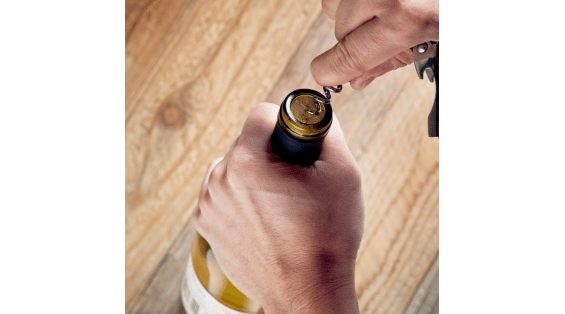
Opening should be done carefully, especially for an old vintage. It is preferable to slowly remove the cork using a thin corkscrew or a two-pronged cork puller to avoid any shock or crumbling of the cork. In the presence of sediment, a light decanting may prove useful.
For a young Yquem, avoid excessive aeration: 20 minutes are sufficient to preserve the liveliness of the bouquet. For older vintages, adapt according to the evolution on the nose: sometimes a few extra minutes in the glass release all the expected complexity.
Tasting in several stages: eye, nose, palate
The sensory approach remains at the heart of the experience. Observing the colour, inhaling the nose, tasting the palate and then appreciating the finish allow one to measure the exceptional balance, length and complexity of Château d'Yquem with each vintage.
Let yourself be guided by your curiosity and analyse each sensation. That is where the magic of tasting lies.
The visual examination: the colour
Begin by admiring the colour, a faithful reflection of the wine's age. A young Yquem generally displays brilliant golden hues, while an older vintage takes on amber or copper reflections. Its brilliance bears witness to its vitality.
Tilt the glass against a white tablecloth, observe the clarity and note the thickness of the tears on the side. These traces indicate the concentration of sugars, a distinctive marker of great sweet wines of this calibre.
The olfactory analysis: the nose
Gently swirl the glass. Inhale without rushing. The first aromas often evoke candied fruits (apricot, quince), soft spices, honey or saffron. With time and aeration, hints of blond tobacco, beeswax or white truffle appear, particularly in bottles aged several decades.
Return to the glass regularly: the bouquet evolves constantly, revealing a new facet with each visit. It is here that one truly measures the complexity of a great Yquem.
The examination on the palate: texture and finish
Finally, taste the wine. Take a small sip and let it coat the palate. Observe the subtle balance between sweetness, acidity and aromatic richness. An Yquem often offers a broad and silky palate, where each fruity note finds its place through to a persistent finish of rare intensity.
Appreciating the finish is essential: measure how long the sensation lingers, sometimes for several tens of seconds after swallowing. This inimitable length is the hallmark of Château d'Yquem's unique style and captivates all discerning enthusiasts.
- Serving temperature: 10-12 °C
- Tulip glass or Sauternes glass recommended
- Allow the wine to evolve in the glass
- Observe colour, nose, palate and finish
Subtle food and wine pairings to be favoured
The best food and wine pairings with a Château d'Yquem
Finding the perfect pairing is one of the greatest pleasures offered by such a bottle. Contrary to certain preconceived ideas, precision and imagination are required to magnify the exceptional character of this sweet wine.
Although the wine's sweetness invites dessert pairings, caution is advised: certain combinations can weigh down or mask the wine's finesse. It is better to opt for subtle, balanced and considered pairings.
Savoury dishes: balance and originality
Lightly poached oysters often delight with a young Yquem, thanks to their fresh, iodine character. But other combinations are worth exploring: pan-fried foie gras escalopes, roasted poultry or even a subtly spiced Asian cuisine pair admirably with expressive vintages.
A stuffed capon served at a winter dinner reveals, for example, the saline and mineral structure of older vintages. For cheese lovers, the classic pairing combines Roquefort and Sauternes: 2 noble moulds / noble rots that work perfectly together. A mild Bleu d'Auvergne adds a bold touch and balances the wine's sweet richness, or a well-aged Comté of at least 24 months would lead enthusiasts towards lesser-known yet equally surprising pairings.
Desserts and sweet treats: avoiding the pitfalls
If you prefer something sweet, choose a crêpe with caramelised orange or flambéed apricots, or a lightly sweetened lemon tart. Exotic fruit tarts also offer a beautiful balance thanks to their acidity, which responds to the wine's suavity.
However, avoid overly sweet desserts such as praline millefeuille or candied charlotte: they risk drowning the wine's complexity behind a mass of sugar and making the whole experience too heavy. Well-considered simplicity will always bring out the nobility of this great wine.
Dishes |
Effects on the wine |
Oysters |
Enhances the freshness and acidity |
Grilled poultry |
Brings out the complexity of the wine |
Orange crêpes |
Enhances the citrus notes |
Overly sweet desserts |
Masks the finesse and weighs down the tasting experience |
Frequently asked questions about tasting a wine from Château d'Yquem
What are the key steps to properly taste a Château d'Yquem?
- Prepare the correct serving temperature (10-12 °C)
- Use a suitable glass to concentrate the aromas
- Proceed in stages: eye, nose, palate, then appreciate the finish
- Allow the wine to evolve in the glass to discover its full aromatic range
By taking your time at each stage, you will more easily discover the richness and complexity of this great sweet wine.
Which food pairings should you choose with a Château d'Yquem?
The most harmonious pairings bring out the finesse of this wine:
- Oysters, pan-fried foie gras, roasted poultry
- Roquefort, mild blue cheeses such as Bleu d'Auvergne, Comté aged 24 months
- Orange crêpes, lightly sweetened lemon tarts, apricot tarts
It is better to avoid overly sweet desserts that would crush the delicate balance of an Yquem and would not allow a meal to end on a light note.
How long should a Château d'Yquem be allowed to breathe before tasting?
The aeration time depends on the vintage. For a young wine, 20 to 30 minutes in the bottle and then in the glass are sufficient. For an older vintage, open carefully and monitor the aromatic evolution. If the nose seems closed, a few minutes of patience in a suitable glass allow the wine to deliver all its complexity. Be careful not to exceed this time for fragile vintages.
Age of the wine |
Recommended aeration time |
Young (<15 years) |
20-30 minutes |
Medium (15-30 years) |
35-45 minutes |
Old (>30 years) |
Max. 30 minutes, taste as it evolves over time |
Can a Château d'Yquem be kept open for several days?
Yes, a Château d'Yquem keeps rather better than other sweet wines once opened, thanks to its high natural sugar content and acidity. Keep the bottle cool and hermetically sealed in the refrigerator. In general, the aromas remain pleasant for three to five days, sometimes longer.
- Store the bottle upright, well sealed
- Consume within the week to fully enjoy the freshness
- Observe the daily evolution of flavours in the glass


COLLECTION NEAR PARIS & VAT REFUND FOR TOURISTS
Free collection in our warehouse near central Paris (92)