 Personalise your experience



 Sign in
 Cart
0
Cart
0


The best Jura wines: our selection
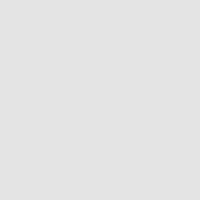
The best Jura wines: vin jaune, vin de paille, appellations and estates
The Jura may be France’s most distinctive wine region. Wedged between Burgundy and Switzerland, with vineyards covering barely 2,000 hectares, it produces wines found nowhere else: vin jaune aged under a veil of yeast, vin de paille made from dried grapes, and reds whose lightness and delicacy defy stereotypes about mountain wines.
This guide explores the Jura’s unique appellations and grape varieties, the two iconic wines (vin jaune and vin de paille) that have earned it worldwide recognition, its benchmark estates and the best food and wine pairings for discovering this captivating, deeply distinctive region.
Key takeaways:
- The Jura is one of France’s most distinctive wine regions: its native grape varieties (Savagnin, Trousseau and Poulsard) and unique winemaking methods (vin jaune aged under a veil of yeast and vin de paille) are found almost nowhere else.
- Vin jaune, aged for at least 6 years and 3 months under a veil of yeast in barrels that are not topped up, is the region’s most distinctive and sought-after wine. Its walnut and curry aromas make it a wine of global fascination.
- Vin de paille, an exceptional sweet wine made from grapes dried on straw or hung in bunches, is produced in very limited quantities and ranks among France’s finest sweet wines.
- The benchmark estates are Domaine Ganevat, Domaine Labet, Overnoy-Houillon and Domaine Tissot. Several belong to the natural wine movement that has brought the Jura international acclaim.
- The main appellations are Arbois (the best known), Côtes du Jura (the largest), Château-Chalon (exclusively vin jaune and the most prestigious) and L'Étoile (specializing in whites and vins jaunes).
The Jura: a wine region in its own right
Geography and history
The Jura vineyards stretch about 80 kilometers from north to south, between Salins-les-Bains and Saint-Amour, along the first foothills of the Jura Mountains. Louis Pasteur, born in Dole and raised in Arbois, carried out some of his research into fermentation here—a connection between science and wine that still shapes local culture.
After a collapse in the 20th century (the vineyards covered more than 20,000 hectares before phylloxera), the region has enjoyed a remarkable revival since the 1990s, driven in particular by the natural wine movement, whose best-known international figures include Pierre Overnoy and Jean-François Ganevat.
A terroir of marl and limestone
The Jura’s soils alternate between gray or blue marls (rich in clay), limestone and clay-limestone. These terroirs give the wines their natural tension and aging potential. Marl is particularly well suited to Savagnin, the region’s signature grape.
Jura appellations: a complete overview
|
Appellation |
Wines produced |
Distinguishing feature |
|
Arbois |
Red, white, rosé, vin jaune, vin de paille |
The best known; Pasteur’s childhood home; a wide variety of styles |
|
Château-Chalon |
Vin jaune exclusively |
The most prestigious vin jaune: limited yields, plot-by-plot approval and the possibility of an entire vintage being declassified |
|
Côtes du Jura |
Red, white, rosé, vin jaune, vin de paille |
The largest appellation, with a wide range of styles and prices |
|
L'Étoile |
White, vin jaune, vin de paille |
A small appellation specializing in whites and oxidative wines |
|
Crémant du Jura |
Traditional-method sparkling wine |
Fine, approachable bubbles, made mainly from Chardonnay |
Château-Chalon: the pinnacle of vin jaune
The Château-Chalon AOC is the Jura’s most prestigious and produces only vin jaune. What makes it unusual is that, since 1958, an inspection committee has visited the vineyards before every harvest and can declassify the entire crop as Côtes du Jura if the vintage is not deemed good enough (an approval tasting was added in 1997). This rare rigor has led to four complete declassifications—in 1974, 1980, 1984 and 2001—and ensures exceptional consistency.
Arbois: the best known and most approachable
Recognized by the decree of May 15, 1936, Arbois heads the list of France’s first six AOCs—a position due to alphabetical order of publication, as the INAO notes—and remains the Jura’s leading tourist and commercial showcase. It encompasses every style, from light reds and fresh or oxidative whites to vins jaunes. The region’s most prominent and productive estates are found here.
Jura grape varieties: five varieties, including three native grapes
What makes the Jura instantly recognizable is its range of grape varieties: Poulsard is grown almost nowhere else, while Savagnin and Trousseau are only rarely found outside the Jura—the former under the names Heida or Païen in Switzerland, the latter as Bastardo in Portugal.
|
Grape variety |
Color |
Characteristics and wines produced |
|
Savagnin |
White |
A native Jura grape and the basis of vin jaune. Notes of walnut, curry and spice, with lively acidity. |
|
Chardonnay |
White |
Widely grown; made either in a topped-up style (barrels regularly refilled, yielding fresh, fruity wine) or aged under a veil of yeast (oxidative). Ages well. |
|
Trousseau |
Red |
A native grape with low tannins and notes of red fruit and pepper. Elegant, terroir-driven wines. |
|
Poulsard (Ploussard) |
Red / Rosé |
Very thin skins and little color; pale, almost rosé-like red wines that are light and fruity. |
|
Pinot Noir |
Red |
A minor presence, producing more conventional wines that are less typical of the Jura. |
Savagnin: the grape behind vin jaune
Savagnin is the grape that most strongly defines the Jura’s identity. Made in a topped-up style (like other whites), it produces fresh, mineral wines with aromas of green apple and almond. But its most emblematic expression comes from aging under a veil of yeast without topping up, transforming it into vin jaune and radically shifting its aromas toward walnut, curry and spice.
Poulsard (Ploussard): pink skin, light wine
Poulsard is one of the world’s least tannic red grapes: its skin is so thin that its wines are often almost translucent, somewhere between pale red and rosé. Its delicate, fruity, lightly structured profile makes it an ideal, easy-drinking wine with food that appeals even to white-wine lovers.
Vin jaune: the Jura’s most distinctive wine
What is vin jaune?
Vin jaune is a white wine made exclusively from Savagnin, aged in oak barrels for at least 6 years and 3 months without topping up to replace the wine lost to evaporation. A veil of yeast develops on the wine’s surface, protecting it from oxidation while transforming it: notes of fresh walnut, nutmeg, curry, saffron and spice gradually emerge. The result is a wine of unique complexity, unlike anything else in the wine world.
The clavelin: a unique bottle
Vin jaune is sold in a distinctive 62 cl bottle called a clavelin. This volume represents what remains of a liter of wine after evaporation during aging under a veil of yeast (the famous “angels’ share”). The squat bottle is instantly recognizable and part of the region’s visual identity.
La Percée du Vin Jaune
On the first weekend of every February, the Percée du Vin Jaune celebrates the opening of the vintage that has just completed its six years and three months of aging. The event takes place in a different Jura village each year. It is the region’s most important wine event and a must for enthusiasts.
Vin jaune is not an easy wine to appreciate at first sip: its oxidative aromas and walnut notes can surprise the uninitiated. But at the table, with Comté cheese or chicken with morels, it is a revelation.
Vin de paille: an exceptional sweet wine
Vin de paille is the Jura’s other sweet-wine specialty, and one of its rarest. It is made from grapes (Chardonnay, Savagnin and Poulsard) harvested when ripe, then dried on straw racks or hung in bunches for at least six weeks, sometimes up to three months. Dehydration concentrates the sugars and aromas, producing exceptionally rich musts.
Vin de paille offers notes of candied apricot, fig, honey, quince and walnut, a profile reminiscent of great Sauternes or Hungarian Tokaji. Bottled in 37.5 cl half-bottles, it can age for many years.
The best Jura estates
|
Estate |
Signature cuvée(s) |
Style and standout feature |
|
Domaine Ganevat |
Les Grandes Teppes Vieilles Vignes / Les Vignes de mon Père |
Jean-François Ganevat, a leading figure in natural wine. Remarkably precise Chardonnays and highly sought-after natural wines. |
|
Overnoy-Houillon |
Topped-up Arbois / Vin jaune |
Pierre Overnoy, a pioneering figure in French natural wine. Wines made without added sulfur that age exceptionally well. |
|
La Bardette / En Chalasse |
The Labet siblings, based in Rotalier in the southern Revermont. An almost Burgundian, plot-by-plot approach, around 30 cuvées a year and certified organic production: a benchmark for terroir-driven topped-up Chardonnay. |
|
|
Arbois-Pupillin Ploussard / Chardonnay |
Renaud Bruyère and Adeline Houillon established their estate in Pupillin in 2011 on 4 hectares. Trained at Overnoy and Tissot, they practice uncertified biodynamics and produce tiny quantities of highly sought-after wine. |
|
|
Chardonnay / Trousseau |
Emmanuel Lançon established his estate in 2012 on less than one hectare. Horse-drawn vineyard work, organic and biodynamic practices: tiny-production cuvées that have become cult favorites. |
|
|
Arbois En Spois / Château-Chalon |
Biodynamic, a major and remarkably consistent estate, with excellent vin jaune and high-quality Chardonnays. |
Pierre Overnoy: the original pioneer
Pierre Overnoy, now retired, with his estate taken over by Emmanuel Houillon, is a legendary figure in natural wine in France and perhaps worldwide. His wines, made without added sulfur since the 1980s, have astonishing longevity and continue to command very high prices on the secondary market. This is the estate that inspired an entire generation of winemakers in France and beyond.
Jean-François Ganevat: the perfectionist
Jean-François Ganevat has taken up the mantle from the pioneering generation while pushing technical precision to its limits. His range of single-plot Chardonnays and natural cuvées makes his estate one of the most admired and sought-after in the Jura today.
Food pairings for Jura wines
The distinctive character of Jura wines calls for particular pairings, some rooted in regional history and others more unexpected, showing just how versatile these unusual wines can be.
|
Dish |
Recommended Jura wine |
Why |
|
Chicken with vin jaune and morels |
Vin jaune from Arbois or Château-Chalon |
The quintessential historic regional pairing: the wine used in cooking is also served at the table |
|
Comté cheese (18 to 24 months) |
Vin jaune or topped-up Savagnin |
A regional pairing: the wine’s walnut notes echo those of the cheese |
|
Foie gras |
Vin de paille |
The wine’s sweet richness complements the richness of foie gras |
|
Crayfish and freshwater fish |
Topped-up Chardonnay from Arbois |
Freshness and minerality, a classic pairing with Jura cuisine |
|
Local cured meats (Morteau sausage) |
Poulsard or Trousseau |
A light, fruity red and a natural regional pairing |
|
Spicy dishes, Asian cuisine |
Topped-up Savagnin or young vin jaune |
Savagnin’s oxidative and spicy notes pair surprisingly well with these cuisines |
The classic pairing: vin jaune and Comté cheese
This is the Jura’s most iconic regional pairing. Aged Comté cheese (18 months or more), with its notes of hazelnut, butter and sometimes spice, directly echoes the walnut and curry aromas of vin jaune. Both products come from the same Jura mountain region and its traditions of cheesemaking and winemaking, and each brings out the best in the other. It is a pairing every enthusiast should try at least once.
Jura wine prices
• Entry-level wines (€10–18): Poulsard, Trousseau and topped-up Chardonnay from cooperative wineries (the fruitières vinicoles) or regional wine houses.
• Mid-range (€18–35): Chardonnay aged under a veil of yeast, topped-up Savagnin and red Arbois from good estates.
• Vin jaune (€25–70): depending on the appellation (from Côtes du Jura to Château-Chalon) and the estate. Château-Chalon from benchmark estates often exceeds €60.
• Vin de paille (€30–80 per half-bottle): very limited production, with prices to match. Among France’s great sweet wines, it offers some of the best value for money.
• Prestige cuvées (€50–200 and up): Ganevat, Overnoy-Houillon, top single-plot cuvées and older vintages.
Frequently asked questions about Jura wines
What wines does the Jura produce?
The Jura produces five main styles: white wine (Chardonnay or topped-up Savagnin), vin jaune (Savagnin aged under a veil of yeast for at least 6 years and 3 months), vin de paille (sweet wine made from dried grapes), red wine (Poulsard, Trousseau or Pinot Noir), and Crémant du Jura (sparkling wine). There is also Macvin du Jura, a fortified wine. The main appellations are Arbois, Château-Chalon, Côtes du Jura and L'Étoile.
What are the great wines of the Jura?
The vins jaunes of Château-Chalon (Domaine Macle) and Arbois-Pupillin (Overnoy-Houillon, Bruyère-Houillon), the vins de paille of Domaine Tissot, and the single-plot Chardonnays and Trousseaus of Jean-François Ganevat and Domaine Labet represent the region’s finest wines.
What is the Jura’s signature wine?
Vin jaune is the Jura’s most emblematic wine and the strongest expression of its identity: nothing quite like it is made anywhere else in the world. More than six years of aging under a veil of yeast gives it a unique aromatic profile (walnut, curry and spice), making it a wine of global fascination.
What are the best Jura wines?
The estates Overnoy-Houillon and Bruyère-Houillon in Pupillin, Jean-François Ganevat, Domaine Labet for its single-plot Chardonnays, Domaine des Murmures for its tiny-production cuvées, and André and Mireille Tissot for their full range are the region’s undisputed benchmarks.
How much does Jura vin jaune cost?
Entry-level vins jaunes (Côtes du Jura) cost between €25 and €35. Arbois vin jaune from good estates ranges from €35 to €55. Château-Chalon generally exceeds €50 and can reach €100 or more from the most prestigious estates.
In summary: 5 keys to exploring Jura wines
1. Start with a topped-up Chardonnay: more approachable and less surprising than vin jaune, it is the best introduction to the region.
2. Discover vin jaune with Comté cheese: this historic regional pairing turns a first taste into a revelation.
3. Explore the native reds: Poulsard and Trousseau are two grapes now extremely rare outside the Jura, producing distinctive terroir-driven wines.
4. Save vin de paille for special occasions: production is extremely limited and prices are high, but it offers a rare experience.
5. Follow the natural wine estates: Ganevat, Overnoy and Tissot show the region at its most distinctive.


COLLECTION NEAR PARIS & VAT REFUND FOR TOURISTS
Free collection in our warehouse near central Paris (92)