Dom Pérignon: the finest vintages to discover and collect
Dom Pérignon immediately evokes excellence and the refinement of vintage Champagne. A symbol of great celebrations, each bottle tells the story of a particular year, revealing the expression of the finest Champagne terroirs selected that year through special sought-after cuvées cherished by enthusiasts and collectors alike. Discover the legendary years, tasting advice and the opinions of critics: let us explore together what makes the legend of the finest vintages of this great Champagne house that is Dom Pérignon.
Key takeaways:
- Unique vintage Champagne: Each bottle of Dom Pérignon is only released if the year is exceptional, revealing the terroir and the ripeness of the grapes from that vintage.
- Legendary years: 1959, 1966, 1975, 1982, 1990, 1996, 2002, 2008 and 2012 are particularly sought after for their aromatic complexity and ageing potential.
- Plénitude P2 and P3 cuvées: Extended ageing on lees (15–30 years) offering exceptional aromatic depth, toasted notes and a creamy texture.
- Aromatic profile and pairings: Floral, fruity, toasted or hazelnut aromas depending on the vintage; ideal pairings with lobster, truffled poultry, veal sweetbreads or aged cheeses.
- Storage and serving: Stable temperature between 10 and 12°C, bottles stored on their side, dark cellar free of vibrations; serve young for freshness, after 15–30 years for maturity and complexity.
The unique concept of vintage Champagne
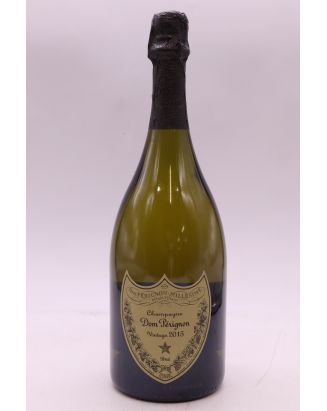
Unlike many classic Champagne houses, Dom Pérignon produces only vintage Champagne. This means that with each release, only a year deemed exceptional is selected. The house does not blend multiple vintages to mask the weaknesses of a season: each vintage reveals the singular character of its harvest year, both in terms of climate and grape ripeness.
This approach explains the almost obsessive interest in the finest vintages. Certain years, referred to as legendary years, leave a lasting impression through the purity of the colour, the complexity of the nose, or the characteristic persistence on the palate of the great Champagne cuvées. Connoisseurs eagerly watch for these rare opportunities when nature and craftsmanship come together in perfect harmony.
Legendary years and finest vintages at Dom Pérignon
Throughout its history, Dom Pérignon has produced cuvées that stand as benchmarks among experts and critics. These years are distinguished by their aromatic richness, marked floral or fruity notes, sometimes enriched with toasted or liquorice touches. To help navigate the range, here is an overview of the most acclaimed and sought-after vintages.
Understanding the particularities of each vintage helps in choosing a bottle according to one's taste preferences or investment intentions. Collectors particularly appreciate bottles from years when climatic consistency and grape quality reach rarely equalled heights.
Which are the essential vintages?
Several years regularly dominate discussions among enthusiasts and experts. The 1982, frequently cited by critics for its evolved aromas blending dried fruits, soft spices and toasted bread, holds a special place in cellars. The 1996 seduces with its remarkable freshness, pronounced minerality and an extraordinary ageing potential. The 2002 surprises with its balance, sustained fruity intensity and an elegance that honours the tradition of the great Champagne crus.
Among recent vintages, 2008 is already shaping up to be a future legend. This year offers restrained power, a pure structure and a mouthwatering finish highly praised in blind tastings. According to scores awarded by renowned critics such as Robert Parker and his peers, this cuvée will likely achieve iconic status in the years to come.
Focus on special cuvées: Plénitude, P2, P3 and rosé
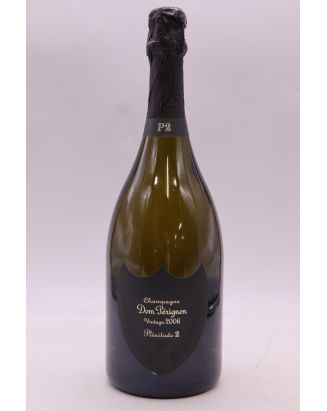
In addition to the classics, Dom Pérignon periodically develops limited series, known as special cuvées. Among them, the Plénitude range, with its P2 and P3 expressions, offers Champagne that has benefited from extended ageing on lees, revealing unsuspected aromas and flavours. The P2 version, generally around fifteen to twenty years old, reveals a vibrant energy on the palate, deep toasted notes and a rare creamy texture.
Plénitude 3 (P3), for its part, represents the pinnacle of ageing. After nearly thirty years in the cellar, these bottles harbour complex nuances, oscillating between surprising freshness and assertive maturity. There is also a rosé version, recognisable by its vibrant salmon-pink colour and red berry aromas, ideal with subtle gastronomic cuisine or as a bold pairing with a few soft spices as a starter.
- Sought-after legendary years: 1959, 1966, 1975, 1982, 1990, 1996, 2002, 2008, 2012
- Plénitude cuvées: distinction by ageing time and aromatic depth
- Rosé version: harmony between tension and smoothness, perfect with sashimi, or an osso bucco for lovers of bold contrasts
- Collection and tasting: optimal storage between 10 and 12°C, away from light
Aromas, tasting notes and gourmet pairings
Every opening of a Dom Pérignon bottle is experienced as a sensory journey. From the first appearance of the colour, one notices a crystal-clear clarity and golden or pale pink reflections in the rosé versions. The nose is always expressive: white flowers in spring, candied citrus, a hint of toasted hazelnut or a suggestion of liquorice depending on the chosen vintage.
On the palate, the fine bubble caresses the palate while the mineral backbone lengthens the finish. The finest vintages elevate this balance between vivacity and aromatic breadth. Evolution over the years often reveals growing sophistication, gaining spiced or toasted notes along the way. Always a unique experience, connecting each tasting to the history of the wine.
Which food and wine pairings are recommended?
A young Dom Pérignon, such as the 2008, shines alongside seared prawns or a Saint-Jacques carpaccio, highlighting its fruity and floral notes. For a cuvée that has gained in maturity, consider a poultry dish with morels or subtly truffled veal sweetbreads. The Champagne rosé, dynamic and silky, is bold enough to pair with seared bluefin tuna, a few shavings of aged parmesan and a delicate olive oil.
The Plénitude cuvées, with their rich aromatic complexity, lend themselves to bold food pairings. Try the P2 with a herb-roasted lobster, or a P3 alongside an aged comté, for an explosive encounter between saline power and umami. Each of these pairings enhances the pleasure of tasting, highlighting the finesse and length on the palate that are characteristic of vintage Champagne.
Storage, serving and practical advice
Properly storing your Champagne Dom Pérignon guarantees the preservation of its aromas. Choose a stable cellar between 10 and 12°C, away from all vibrations and direct light. Always store your bottles on their side, so that the cork retains its elasticity.
For serving, remove the bottle twenty minutes before opening to allow it to express itself gently. Use tulip-stemmed glasses, which concentrate the aromas on the nose. Despite past customs, both a narrow flute that constricts the aromas too much and a coupe that is too wide and allows the aromas to dissipate should be avoided when enjoying Champagne.
Pay attention to the temperature: around 10°C for a young vintage, up to 12°C for the great mature cuvées. A truly special moment of sharing, especially when every detail is carefully considered.
|
Vintage
|
Typicity
|
Estimated peak
|
Ideal pairing
|
|
1982
|
Spiced, evolved, toasted
|
35–45 years
|
Chicken demi-deuil
|
|
1996
|
Mineral, intense, long
|
30–40 years
|
Grilled lobster
|
|
2002
|
Fruity, ample, balanced
|
25–35 years
|
Porcini mushroom and parmesan risotto
|
|
2008
|
Pure, saline, vibrant
|
30–40 years
|
Pan-seared scallops
|
Frequently asked questions about the best Dom Pérignon vintages
How to recognise a great Dom Pérignon vintage during a tasting?
A great vintage is distinguished by the purity of its colour, a fine effervescence and a complex nose combining floral and fruity notes, sometimes with toasted or liquorice accents. On the palate, look for a lively yet balanced attack, a generous texture and a long, taut finish. Over the years, certain tertiary aromas of honey or nuts may emerge, testament to an exceptional ageing potential.
- Clear colour, fine bubbles
- Intense nose (fruity, floral, toasted)
- Persistent, rich and structured palate
Why do certain years become legendary for Dom Pérignon?
Exceptional climatic conditions, perfect grape ripeness and the talent of the teams explain these legendary years. These vintages express a remarkable depth and complexity, validated by the greatest critics and expert scores. Their rarity and extraordinary evolution in the cellar reinforce this unique status.
- Ideal weather conditions
- Strict selection of the finest grapes
- Awards and international recognition
When is the right moment to open a great bottle of Dom Pérignon?
The best moment depends on both the chosen vintage and the occasion. To enjoy a Champagne in its youth (freshness, vivacity), open it within the first ten years following its disgorgement (if indicated), or its release onto the market. To savour more developed and complex aromas, wait between fifteen and thirty years, or even longer for the special P2 or P3 cuvées.
- Under 10 years: youth, freshness
- 15 to 30 years: maturity, complexity
- P2/P3: discovery of new flavours
|
Bottle age
|
Expected style
|
|
- 10 years
|
Freshness, energy, fresh fruit
|
|
15 to 30 years
|
Rich aromatic profile, secondary notes
|
|
30 years+ (P2/P3)
|
Great complexity, tertiary aromas
|
What precautions should be taken to store a great Dom Pérignon?
Always keep your Champagne on its side, in a dry, dark place, free from temperature variations and vibrations. The ideal range is around 10 to 12°C. Avoid any exposure to strong odours, which could alter its delicate aromas.
- Bottles stored on their side
- Dark, odour-free cellar
- Consistently low temperature