Champagne

Read more
See more
Filters

Price

€20.00 - €3,980.00

Estate

Parker WA rating

86 - 100

Burghound rating

87 - 97

Revue du Vin de France rating

No choice available on this group

Bettane & Desseauve rating

15 - 20

Prices drop

Download this list
There are 676 products.
Download this list
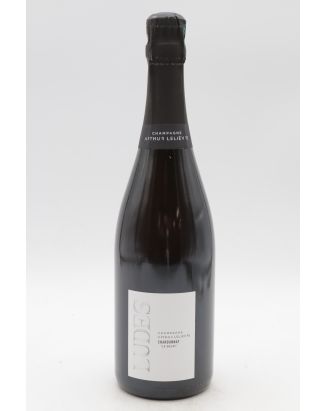
Arthur Lelièvre Ludes Chardonnay Le Belai
New
12 in stock
132656
White
75cl
Sale only in France
Add to cart
Champagne | Champagne

Arthur Lelièvre Ludes Chardonnay Le Belai

€54.00 inc-VAT per bottle
€45.00 ex-VAT
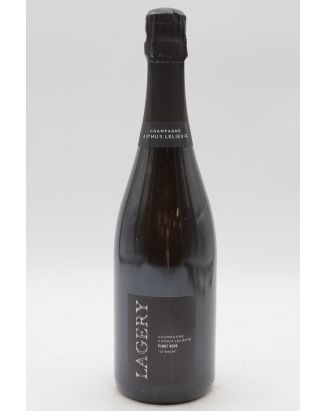
Arthur Lelièvre Pinot Noir Lagery Le Walin
New
12 in stock
132657
White
75cl
Sale only in France
Add to cart
Champagne | Champagne

Arthur Lelièvre Pinot Noir Lagery Le Walin

€54.00 inc-VAT per bottle
€45.00 ex-VAT
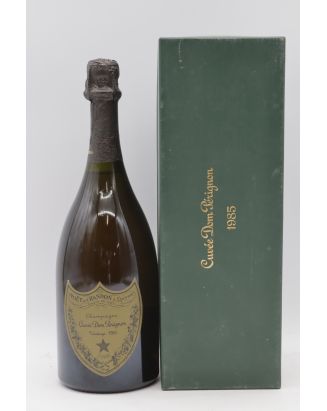
Dom Pérignon 1985
New
1 in stock
132616
White
75cl
Original carboard box - Sold by 1
95/100
90/100
Add to cart
Champagne | Champagne

Dom Pérignon 1985

€474.00 inc-VAT per bottle
€395.00 ex-VAT
Dom Pérignon 1990 - SALE -10% !
New
-10%
1 in stock
132617
White
75cl
Damaged
Original carboard box - Sold by 1
96/100
90/100
16/20
Add to cart
Champagne | Champagne

Dom Pérignon 1990 - SALE -10% !

€426.60 inc-VAT per bottle €474.00 inc-VAT -10%
€355.50 ex-VAT
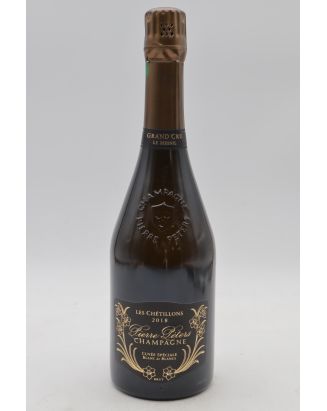
Pierre Péters Blanc de Blancs Cuvée Spéciale Les Chétillons 2018
New
3 in stock
132631
White
75cl
Add to cart
Champagne | Champagne

Pierre Péters Blanc de Blancs Cuvée Spéciale Les Chétillons 2018

€204.00 inc-VAT per bottle
€170.00 ex-VAT
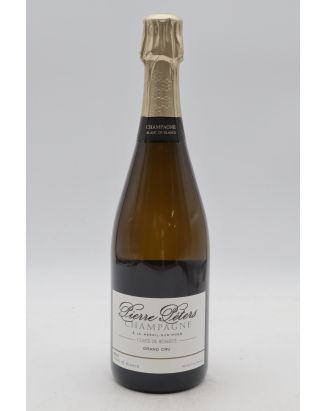
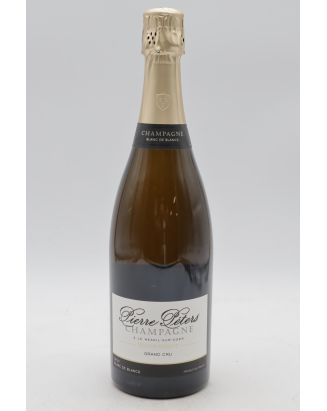
Pierre Péters Grand cru Cuvée de Réserve Blanc de Blancs Brut
New
24 in stock
132634
White
75cl
Add to cart
Champagne | Champagne Grand cru

Pierre Péters Grand cru Cuvée de Réserve Blanc de Blancs Brut

€54.00 inc-VAT per bottle
€45.00 ex-VAT
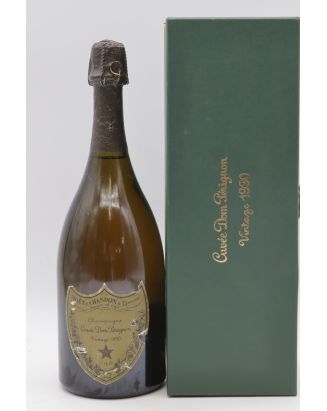
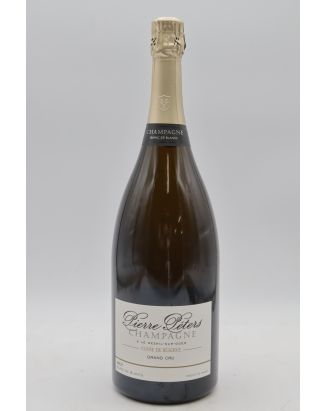
Pierre Péters Grand cru Cuvée de Réserve Blanc de Blancs Brut Magnum
New
6 in stock
132635
White
150cl
Add to cart
Champagne | Champagne Grand cru

Pierre Péters Grand cru Cuvée de Réserve Blanc de Blancs Brut Magnum

€108.00 inc-VAT per bottle
€90.00 ex-VAT
Pierre Péters Grand cru Grande Réserve
New
6 in stock
132632
White
75cl
92+/100
15.5/20
Add to cart
Champagne | Champagne Grand cru

Pierre Péters Grand cru Grande Réserve

€60.00 inc-VAT per bottle
€50.00 ex-VAT
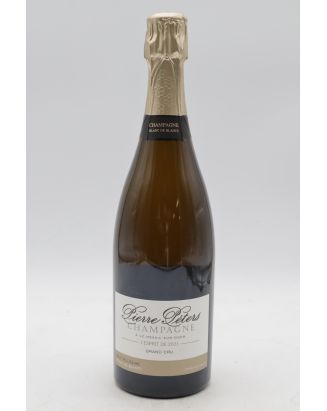
Pierre Péters Grand cru L'Esprit 2021
New
12 in stock
132633
White
75cl
Add to cart
Champagne | Champagne Grand cru

Pierre Péters Grand cru L'Esprit 2021

€84.00 inc-VAT per bottle
€70.00 ex-VAT
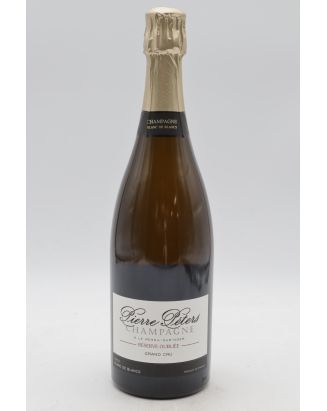
Pierre Péters Grand cru Réserve Oubliée Blanc de Blancs Brut
New
12 in stock
132636
White
75cl
Add to cart
Champagne | Champagne Grand cru

Pierre Péters Grand cru Réserve Oubliée Blanc de Blancs Brut

€96.00 inc-VAT per bottle
€80.00 ex-VAT
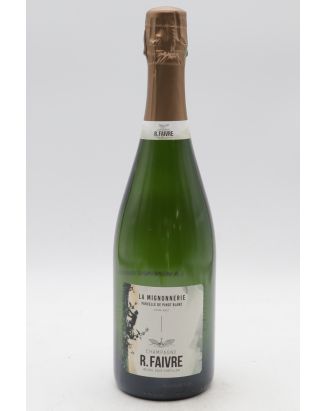
R. Faivre La Mignonnerie Extra Brut
New
24 in stock
132626
White
75cl
Add to cart
Champagne | Champagne

R. Faivre La Mignonnerie Extra Brut

€42.00 inc-VAT per bottle
€35.00 ex-VAT
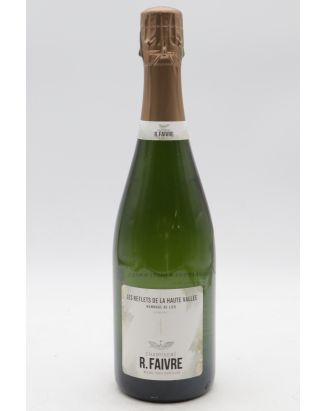
R. Faivre Les Reflets de la Haute Vallée Extra Brut
New
42 in stock
132625
White
75cl
Add to cart
Champagne | Champagne

R. Faivre Les Reflets de la Haute Vallée Extra Brut

€42.00 inc-VAT per bottle
€35.00 ex-VAT
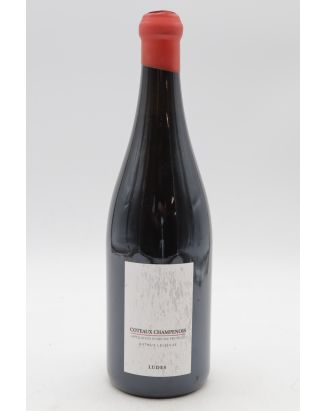
Arthur Lelièvre Côteaux Champenois Ludes 2023 Red
New
6 in stock
132658
Red
75cl
Sale only in France
Add to cart
Champagne | Côteaux Champenois

Arthur Lelièvre Côteaux Champenois Ludes 2023 Red

€42.00 inc-VAT per bottle
€35.00 ex-VAT
Frequently Asked Questions

Champagne Blanc de Blancs is made exclusively from white grapes, principally Chardonnay, the king grape of the Côte des Blancs. It is distinguished by great finesse, aromas of citrus and white flowers, and a sharp minerality. Blanc de Noirs, by contrast, is vinified from dark-skinned grapes with white flesh — Pinot Noir and Pinot Meunier — yielding fuller-bodied wines with notes of red fruit and a generous texture. These two styles embody two very different faces of Champagne, and the choice between them depends above all on your personal taste preferences and the dishes you wish to accompany.

A non-vintage Champagne (or NV) is a blend of wines from several harvest years. This practice, unique to Champagne, allows producers to maintain a consistent and recognisable style from one year to the next, regardless of climatic variations. A vintage Champagne, on the other hand, is produced only in years deemed sufficiently remarkable to express the character of a single, unique vintage. It is generally more complex, rarer, and requires longer ageing in the cellar before release. These two categories reflect different tasting philosophies — one valuing consistency, the other the expression of a terroir at a precise moment in time.

The large Champagne houses, such as those found on the grand avenues of Reims and Épernay, purchase a large portion of their grapes from partner growers in order to produce significant volumes while maintaining a consistent house style that is recognisable internationally. Independent growers, on the other hand, cultivate their own plots and vinify exclusively their own grapes. Their cuvées, often produced in small quantities, more closely reflect the expression of a specific terroir, a village, or even a single plot. These so-called "récoltant" Champagnes are increasingly appealing to enthusiasts in search of authenticity, singularity, and a direct connection between the producer and their wine.

The Champagne appellation officially allows seven grape varieties, but three dominate production: Chardonnay, Pinot Noir, and Pinot Meunier. Chardonnay brings elegance, tension, and aging potential. Pinot Noir offers structure, power, and red fruit notes. Pinot Meunier, long underestimated, is now being reappraised for its fruity aromas and roundness. Some producers also work with rarer grape varieties such as Arbane, Petit Meslier, and Pinot Blanc, which allow them to create limited-production cuvées with singular characters.

The méthode champenoise, or traditional method, is the process that gives Champagne its natural effervescence and fine bubbles. After an initial classic alcoholic fermentation, the still wine is bottled with a liqueur de tirage (a mixture of sugar and yeasts). A second fermentation then takes place directly in the bottle, generating CO₂ that dissolves into the wine. The bottles are subsequently stored on laths for a minimum of fifteen months (thirty-six months for vintage wines), then subjected to progressive riddling to gather the yeast deposits in the neck. Finally comes disgorgement, which removes this deposit, before the addition of the dosage liqueur (liqueur d'expédition), which determines the final dosage level, and therefore the style — Brut, Extra-Brut, or Demi-Sec — of the cuvée.

Serving temperature is a factor that is often overlooked but is crucial to fully appreciating a Champagne. A Champagne served too cold, below 6°C, will have its aromas muted and its effervescence heightened. Too warm, and it will lose its freshness and tension. The ideal temperature is between 8°C and 10°C for non-vintage Champagnes and Blancs de Blancs, in order to preserve their vivacity. For vintage Champagnes, prestige cuvées or more structured Blancs de Noirs, one can go up to 10°C-12°C to allow the aromas to express themselves fully. The best way to reach this temperature is to place the bottle in the refrigerator two hours before serving, or in an ice bucket mixed with cold water for twenty minutes.

WHAT THEY SAY ABOUT US

5 good reasons to buy wines on V&M

...

EXPRESS DELIVERY

In a secure polystyrene packaging

...

INTERNATIONAL SHIPPING

Find out more about VAT-EX sale for outside EU deliveries

...

COLLECTION NEAR PARIS & VAT REFUND FOR TOURISTS

Free collection in our warehouse near central Paris (92)

...