Personalise your experience
Change your country, language and currency here whenever you wish.
|
|
|
Must-See Châteaux |
|
|
|
|
|
|
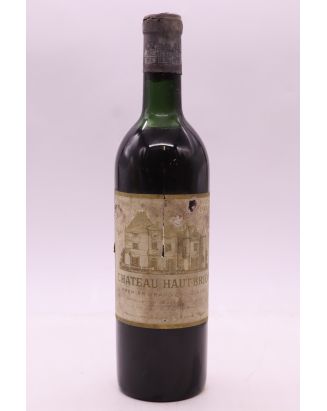
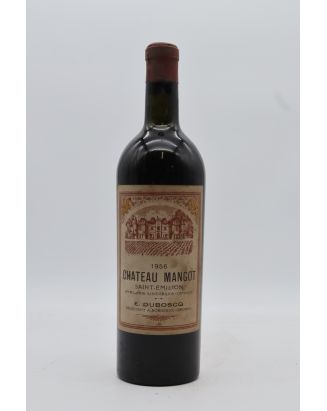
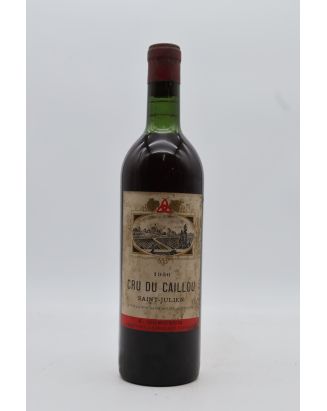
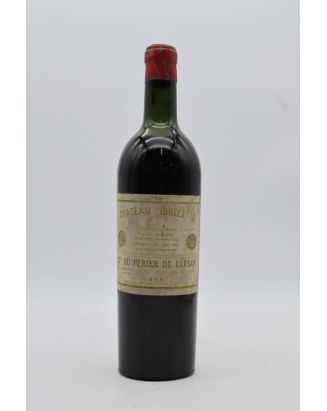
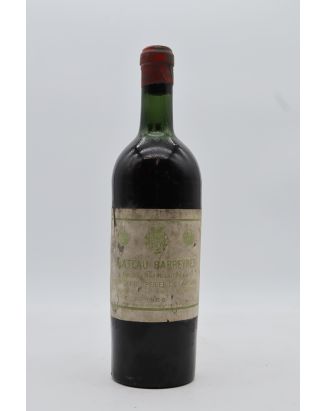
The 1956 Bordeaux vintage remains a legendary page in the region's viticultural history, marked by its rarity and resilience. Nicknamed "The Black Year," this vintage faced unprecedented challenges, yet it remains a fascinating piece of Bordeaux wine folklore. Devastating frosts in February decimated the vineyards, reducing yields to a mere fraction of the usual production, with only around 25% of the normal volume achieved. Despite these adversities, the surviving vines and the wines they produced offer a unique glimpse into a transformative moment for Bordeaux. For collectors and enthusiasts in search of a rare vintage with a captivating story, the 1956 Bordeaux wine is an extraordinary find, illustrating the tenacity of the winemakers who turned hardship into opportunity.
The 1956 growing season in Bordeaux was defined by extreme weather conditions, earning it the distinction of being the coldest year since 1709. January began with mild temperatures, but by February 3, they plummeted to -9°C, diving further to -14°C by mid-February. The Gironde estuary froze, and icebergs floated on the Garonne, an astonishing sight in the heart of Bordeaux. Five days of Arctic conditions, followed by heavy snowfall on February 21, shattered the vines, their trunks splitting loudly in the frigid air. Spring and summer offered little respite, with cold waves, rain, and storms disrupting flowering and veraison. The harvest began late, on October 7, in freezing conditions, and concluded around October 23. This unforgiving climate shaped the 1956 Bordeaux vintage into a testament of endurance, producing rare wines that carry unparalleled historical weight.
On the Left Bank, the 1956 vintage revealed the determination of Bordeaux's prestigious estates. The severe frosts struck hard, but the surviving vines adapted, paving the way for future improvements in vine density and grape selection. Estates like Léoville Barton crafted wines that, while limited in quantity, endured as curiosities. A 1956 Léoville Barton tasted in 2017 was described as weakened but still drinkable, a survivor of nearly six decades. Pichon Baron also produced a notable bottle, opened at the château, which impressed with its resilience. The 1956 Bordeaux wines from the Left Bank reflect a rugged charm, appealing to those who value history over opulence. For buyers seeking a piece of this vintage, these bottles are rare treasures from a challenging year.
The Right Bank bore the full brunt of the 1956 frosts, with Pomerol and Saint-Émilion suffering immense losses. Yet, amid this devastation, stories of determination emerged. At Pétrus, Madame Loubat refused to abandon her vineyard, pruning the damaged vines down to their rootstocks and bringing them back to life, to produce a single barrel of wine. Her efforts underscore the survival spirit of this vintage. Meanwhile, Ausone, perched on the Saint-Émilion hillside, managed a decent production, yielding a wine that was admittedly diluted, but testament to the region's potential. The 1956 Bordeaux wines from the Right Bank are rare and laden with stories, making them a captivating choice for collectors who value rarity and the human triumph behind each bottle.
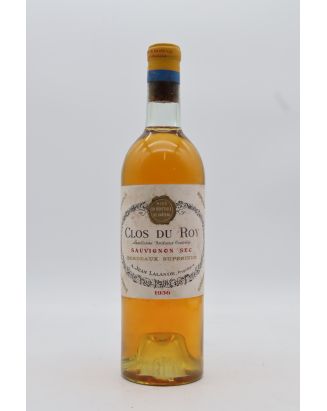
In Sauternes, the 1956 vintage faced its own trials, with a rainy summer delaying the harvest until October 8 at Château d'Yquem, which continued until November 21. The grapes struggled to ripen, reaching only 20% alcohol potential by mid-October. Yields were low, reflecting the general scarcity in the region, but the sweet wines of 1956 possess a unique profile shaped by their difficult birth. These bottles, though rare, offer a glimpse into Sauternes' ability to produce something remarkable even in adversity. For those wishing to purchase 1956 Bordeaux sweet wines, they represent a unique opportunity to own a piece of this historic vintage.
While specific notes from Robert Parker or The Wine Advocate for the 1956 Bordeaux vintage are not detailed here, the vintage's reputation as a low-yielding and challenging year is well documented among critics. The wines were generally deemed thin and lacking structure in their youth, but some surprised with their longevity. For example, the 1956 Léoville Barton and Ausone were noted for their drinkability decades later, earning quiet praise for defying expectations. Vintage evaluations from this era often focus on narrative rather than scores, and 1956 Bordeaux stands out as a collectible for its historical significance more than its critical acclaim. Buyers can appreciate these wines as artifacts from an extraordinary year.
Why purchase 1956 Bordeaux? This vintage offers more than just wine; it's a sip of history. The catastrophic frosts and subsequent replantings reshaped Bordeaux, introducing better-adapted grape varieties and higher vine densities that improved future vintages. Each bottle is a survivor, a testament to the ingenuity of winemakers who faced nature's wrath and persevered. Whether it's a Left Bank gem like Pichon Baron, a Right Bank rarity like Pétrus, or a Sauternes curiosity, 1956 Bordeaux wine captivates enthusiasts who cherish the unique and unusual. Perfect for gifting, collecting, or savoring, these wines are conversation starters, imbued with the legacy of one of Bordeaux's most memorable years. Don't miss your chance to own a piece of this iconic vintage at the best price!
COLLECTION NEAR PARIS & VAT REFUND FOR TOURISTS
Free collection in our warehouse near central Paris (92)