Discovering the best Italian wines: the guide for discerning enthusiasts
To remember:
- Italy offers one of the richest vineyards in the world, driven by a great diversity of regions, terroirs and indigenous grape varieties.
- Iconic appellations such as Barolo, Brunello di Montalcino and Amarone rank among the best Italian wines.
- Piedmont and Tuscany dominate the rankings thanks to Nebbiolo and Sangiovese, two major grape varieties of Italian viticulture.
- The DOC, DOCG and IGP labels are essential benchmarks for understanding the origin, quality and aging potential of wines.
Are you searching for the rare gem among the great wines of Italy? Italy, a country with centuries-old traditions, captivates with its diversity of Italian grape varieties and its unique Italian appellations. Whether you are a lover of powerful wines or more subtle nectars, exploring Italian red wines holds delightful surprises. Knowing how to uncover the finest bottles requires a discerning eye: here, you will discover how to appreciate the richness of the Italian vineyard, recognize iconic styles and select a TOP 15 that will delight the most curious palates.
The essential Italian wine regions
Italy boasts a mosaic of terroirs renowned for their great wines. Each region asserts its own style through its indigenous grape varieties and its expertise recognized throughout the world. It is impossible to overlook Tuscany and Piedmont when speaking of the best Italian wines.
Sicily, Veneto and the Marche complete this landscape with very distinct aromatic profiles. Each offers both great red wines of profound complexity and gastronomic whites that are sometimes little known outside the country.
Why does Piedmont fascinate so many?
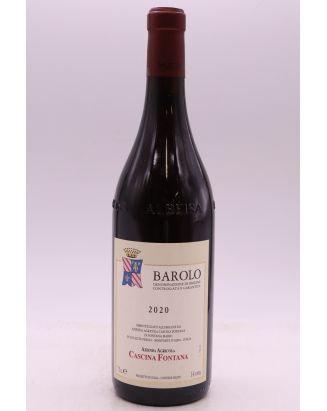
Piedmont is the kingdom of Nebbiolo, a unique grape variety that gives Barolo its garnet robe and its complex nose of faded roses, truffle and cherry. The local DOCGs require a long aging process that encourages supple yet powerful tannins, revealing their greatness after several years in the cellar. These are wines built for aging, crafted for great occasions.
Meanwhile, Barbaresco and certain Barbera wines create a delightful surprise with typical Italian food pairings. At the table, they readily accompany sauced dishes, proof that the Piedmontese terroir is as generous as it is demanding.
Tuscany, the stronghold of Sangiovese and Brunello di Montalcino
Sangiovese reigns supreme in Tuscany. It shines in particular in Brunello di Montalcino, an intense red wine with a deep ruby robe and aromas of leather, black cherry and balsamic. Its persistence on the palate offers an elegant, long and refined finish.
It is impossible to speak of Tuscany without mentioning Chianti. With a livelier, fruitier expression, it perfectly embodies the aperitif experience alongside antipasti. Other areas such as Montepulciano reveal treasures still too little known outside Italy.
Italian grape varieties and remarkable viticultural expressions
A journey in the glass begins with the discovery of the main Italian grape varieties. Beyond the famous Sangiovese, Nebbiolo or Corvina (the star of Amarone della Valpolicella), a fascinating variety awaits, leaving room for all gustatory whims.
White wine varieties such as Vermentino, Trebbiano or Garganega also offer pleasant surprises, often on floral, mineral and fresh notes. The plurality of grape varieties reinforces the estates' ability to produce distinctive references year after year.
What do DOC, DOCG and IGP mean in Italian wine?
DOC (Denominazione di Origine Controllata), DOCG (Denominazione di Origine Controllata e Garantita) and IGP (Indicazione Geografica Protetta) are the quality and origin guarantee labels. The DOCG represents excellence, subject to strict controls; the DOC governs several production rules; while the IGP allows greater freedom regarding grape varieties and processes. Understanding these distinctions helps you refine your selections when purchasing.
Many great wines from Italy now benefit from these Italian appellations, synonymous with reliability and authentic experience. It is a valuable reference point for securing provenance and anticipating the aging potential of rare vintages.
Recognizing a great Italian Fine Wine through tasting
Beyond the prestige of the label, it is the quality in the glass that commands respect. An Italian red wine often reveals an intense robe, a complex nose oscillating between ripe fruits, gentle spices and undergrowth. On the palate, the balance between acidity, tannins and structure is appreciated throughout the tasting.
Do not hesitate to take your time, letting the wine breathe to reveal its full aromatic palette. A fine Amarone della Valpolicella thus gains volume after decanting, offering a silky finish marked by cocoa, roasted fig and liquorice.
TOP 15 of the best Italian wines to know
It is difficult to establish a ranking without sparking debate! This selection covers several regions and styles to guide your curiosity toward diversity and excellence. Each bottle offers a singular story and fine tasting prospects.
- Barolo DOCG - Piedmont (Nebbiolo)
- Brunello di Montalcino DOCG - Tuscany (Sangiovese)
- Amarone della Valpolicella DOCG - Veneto (Corvina, Rondinella)
- Chianti Classico Riserva DOCG - Tuscany (Sangiovese)
- Barbaresco DOCG - Piedmont (Nebbiolo)
- Montepulciano d'Abruzzo DOC - Abruzzo (Montepulciano)
- Vino Nobile di Montepulciano DOCG - Tuscany (Prugnolo Gentile/Sangiovese)
- Super Tuscan (outside disciplinary specifications) - Tuscany (Bordeaux blends & Sangiovese)
- Bardolino DOC - Veneto (Corvina, Molinara, Rondinella)
- Aglianico del Vulture DOC - Basilicata (Aglianico)
- Etna Rosso DOC - Sicily (Nerello Mascalese, Nerello Cappuccio)
- Taurasi DOCG - Campania (Aglianico)
- Valpolicella Ripasso DOC - Veneto (Corvina, Rondinella, Molinara)
- Cannonau di Sardegna DOC - Sardinia (Cannonau/Grenache)
- Lambrusco Grasparossa di Castelvetro DOC - Emilia-Romagna (Lambrusco)
Each of these Italian appellations deserves special attention for its differences in expression and aging potential. Some lend themselves to evolution, while others already delight the palate from a young age. Dare to taste several vintages to perceive their development.
When to serve and store the great wines of Italy?
To fully savor your Italian red wines, a few precautions are in order. A serving temperature between 16 and 18 degrees suits the majority: a Barolo or a Brunello di Montalcino will then release all their aromas.
Also consider storage. Cool, humid cellars are suited to bottles built for long aging (DOCG in particular). For more immediately enjoyable cuvées, favor tasting them in their prime youth, when they express their fruitiness and vivacity.
How long should these wines be kept?
Aging potential depends on the grape variety, the appellation and the winemaking process. Some Barolos age admirably for fifteen to twenty years, while gaining in finesse. Conversely, a sparkling Lambrusco should be enjoyed within its first two years.
A summary table helps to visualize the recommended aging duration according to style:
|
Appellation
|
Style
|
Aging potential
|
|
Barolo DOCG
|
Structured red
|
10-25 years
|
|
Brunello di Montalcino DOCG
|
Powerful red
|
8-20 years
|
|
Amarone della Valpolicella DOCG
|
Concentrated red
|
8-15 years
|
|
Chianti Classico DOCG
|
Bright red
|
4-10 years
|
By varying pleasures between youthful indulgence and polished maturity, you enrich your experience as a wine enthusiast.
Frequently asked questions about the best Italian wines
What are the main differences between Barolo and Brunello di Montalcino?
Barolo comes from Piedmont and relies primarily on the Nebbiolo grape variety; Brunello di Montalcino comes from Tuscany and uses exclusively Sangiovese.
Barolo often presents a pale garnet robe, a floral nose and a beautiful tension; Brunello seduces with its deep color, its intense perfume of dark fruits and its tannin power polished by long aging.
|
Origin
|
Grape variety
|
Profile
|
|
Piedmont
|
Nebbiolo
|
Acidic, refined, fragrant
|
|
Tuscany
|
Sangiovese
|
Powerful, oaky, full-bodied
|
How to choose an Italian wine according to the dish being served?
- For red meats or slow-cooked dishes, opt for a Barolo, a Brunello or an Amarone della Valpolicella.
- With antipasti or mild cheeses, opt for a Chianti Classico or a light Bardolino.
- Some Italian white wines are ideal with seafood or sun-drenched dishes.
Make sure to pair the powerful with rich dishes, and the fresh with lighter flavors.
What are the essential criteria for recognizing a great Italian fine wine?
- The mention of a recognized Italian appellation (which must include DOC, DOCG or IGP).
- A balance between acidity, tannins and aromatic intensity during tasting.
- An aging capacity, perceptible through the structure and the length on the palate.
Also observe the condition of the bottle, the reputation of the estate and the chosen vintage. The greater the complexity a wine inspires, the greater its capacity to evolve.
Which Italian grape varieties should you absolutely discover?
- Nebbiolo (Barolo, Barbaresco): known for its aromas of violet, cherry and undergrowth.
- Sangiovese (Chianti, Brunello di Montalcino): renowned for its notes of morello cherry, spices and tobacco.
- Corvina (Valpolicella, Amarone): brings roundness and concentration to Italian red wines.
Allow yourself to be surprised by discoveries such as Nero d'Avola, Aglianico or Cannonau, each of which possesses a remarkable sensory imprint.

 Personalise your experience