
 Personalise your experience




 Sign in
 Cart
0
Cart
0


The finest wines of Burgundy and their estates

The finest wines of Burgundy: a guide to discovering exceptional estates
Burgundy, this name alone resonates with every seasoned enthusiast as a promise of great crus, unique terroirs and passionate winemakers. The cuvées from the mythical villages of the Côte-d'Or grace the finest tables and fuel the desire of collectors. Would you like to explore these prestigious appellations or refine your selection? Let us delve together into the details of the estates that forge Burgundy's prestige.
A complex terroir with many facets
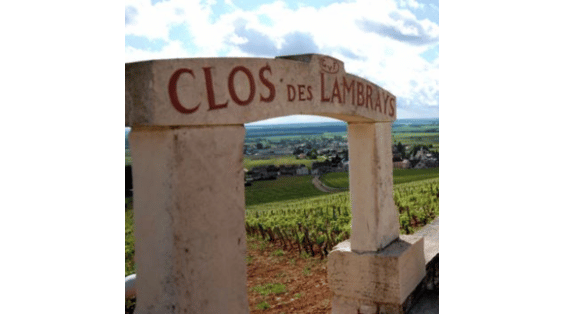
The Burgundy vineyard is distinguished by its mosaic of plots, known locally as "climats". This diversity shapes red wines rich in character and white wines of incomparable brilliance. Among the flagship grape varieties, chardonnay shines for the whites, while pinot noir reigns over the reds. In certain areas, a little aligoté is also found, though its presence remains marginal.
The magic happens through the meticulous work of the estates, which elevate each cru according to its exposure, its soils and the age of the vines. One then easily understands why the notion of wine classification takes on its full importance here: from one village to the next, or even from one row of vines to another, the personality of the wine changes radically.
Which are the essential Burgundy estates?
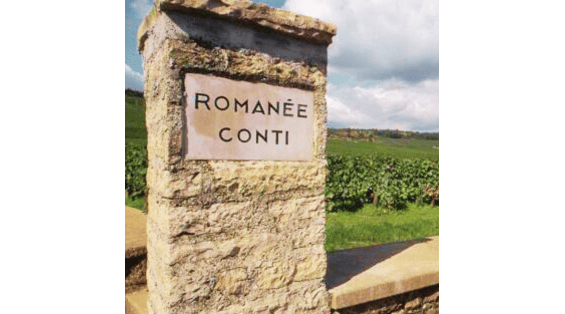
Certain names come up repeatedly whenever the finest wines of Burgundy are mentioned. Romanée-Conti, for example, embodies the pinnacle of refinement. But it is not alone in inspiring dreams.
To navigate easily among the references, consult this overview of emblematic estates and discover what makes them unique. Many enthusiasts also seek out the signatures of d'Auvenay, Coche Dury and Armand Rousseau, whose consistency commands admiration.
Domaine Romanée Conti and historical legends
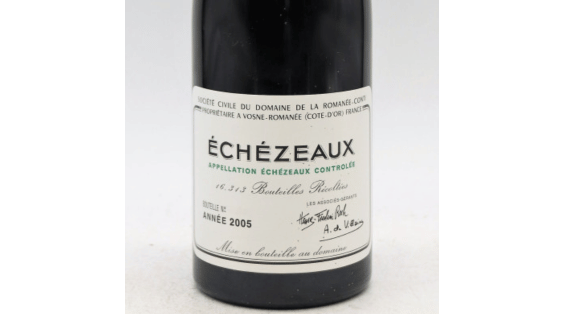
It is impossible to speak of Burgundy grands crus without mentioning Romanée-Conti. Behind this mythical label lies a singular red wine: the colour offers intense garnet reflections, the nose oscillates between notes of faded rose, undergrowth and spices. On the palate, the texture is silky, almost ethereal, carried by a framework of fine tannins and a phenomenal length.
Other estates also have their history intimately linked to that of the region. Armand Rousseau, Georges Roumier and Comte George de Vogue perpetuate this exceptional heritage by producing each year cuvées sought after for their elegance and aromatic depth. Their premiers crus and grands crus captivate by their ability to age harmoniously.
Pioneering estates and family traditions
Families such as Mugneret Gibourg, Jean Marc Roulot and Emmanuel Rouget have built their reputation on the mastery of pinot noir and chardonnay using methods that respect the living environment. Some work organically or biodynamically, further enhancing the typicity of village appellations such as Vosne-Romanée, Chambolle Musigny and Meursault.
At Coche Dury or François Raveneau, the care devoted to the smallest details — manual harvesting, long barrel ageing — reveals the purity of the premiers crus and grands crus produced from chardonnay. A Chablis signed by Raveneau perfectly illustrates this unique mineral tension, where lemony freshness meets buttery richness, while a Meursault from Coche Dury never fails to impress with its precision.
Understanding the Burgundy wine classification
In Burgundy, four levels structure production: grands crus, premiers crus, villages and regional wines. Grands crus represent only a tiny fraction of the vineyard, yet concentrate often exceptional quality. Premiers crus also offer excellent surprises, combining finesse and remarkable ageing potential.
A few striking examples illustrate this complexity. A bottle of Clos Saint Jacques (premier cru) from Domaine Armand Rousseau stands comfortably alongside certain neighbouring grands crus. In Puligny-Montrachet, Leflaive produces elegant, taut whites whose iodine-tinged finish prolongs the gustatory pleasure. At Prieuré Roch, the pursuit of purity and terroir expression is taken to its absolute peak.
Which Burgundy appellations should you favour according to your preferences?
Red wines and mythical villages
Lovers of red Burgundies will be captivated by the contained power of a Chambertin, the sensuality of a Musigny or the spiced nuances of a Bonnes Mares. So many names synonymous with character and elegance, crafted by the estates already mentioned, including Comte Liger Belair and Jacques Frédéric Mugnier.
For those discovering the region, exploring the renowned villages helps to better identify the local styles. Gevrey-Chambertin, Nuits-Saint-Georges, Vosne-Romanée : three major hubs where the expressions of pinot noir oscillate between ripe fruit, cherry jam, floral touches and persistent tannic structure. Each vintage holds its surprises, especially during blind tastings.
Sparkling whites and finely chiselled terroirs
On the white wine side, Burgundy offers a whole palette of aromas ranging from fresh citrus to dried fruits, with buttery and toasty notes in between. In Chassagne-Montrachet, Meursault and Chablis, minerality predominates, driven by the rigorous work of producers such as Dauvissat.
This contrast between the richness of chardonnay, mineral vivacity and the unctuous quality derived from ageing runs throughout the range, from a simple Bourgogne Blanc to the legendary Chevalier-Montrachet Grand Cru. Some estates excel particularly in this balancing act, juggling with acid tension across each vintage and revealing the singularity of each terroir.
Collecting and tasting exceptional wines
Storage quickly becomes a central concern when it comes to these rare bottles. Buying from reliable sources that are mindful of the cold chain protects your investment. Some estates strictly limit their distribution in order to preserve quality. On the secondary market, always check the condition of the bottle, the integrity of the capsule and the colour of the wine.
When tasting, take your time. A grand cru captivates as much by the evolution of its bouquet over the minutes as by the complexity of its finish. Opening a Meursault from Domaine Jean Marc Roulot after twenty years reveals aromas of hazelnut, toasted almond and a remarkable integration of oak. An unforgettable experience for any discerning enthusiast.
Opt for an appropriate serving temperature (12°C for whites, 16°C for reds).
Open the bottle in advance to allow the wine to open up gently.
Consider pairing each cru with a simple dish, to reveal all its subtleties.
|
Estate |
Specialities |
Flagship Appellation |
Dominant grape variety |
|
Romanée Conti |
Red and white grands crus |
Vosne-Romanée |
Pinot noir, Chardonnay |
|
Coche Dury |
Meursault Premiers Crus |
Meursault |
Chardonnay |
|
François Raveneau |
Chablis Grands Crus |
Chablis |
Chardonnay |
|
Armand Rousseau |
Chambertin, Clos St-Jacques |
Gevrey-Chambertin |
Pinot noir |
Frequently asked questions about the finest wines of Burgundy
How do you recognise a Burgundy grand cru?
The label clearly states "Grand Cru" and specifies the exact appellation (for example: Clos de Vougeot Grand Cru).
The name of the climat generally appears on its own, without the village name attached, except in certain cases.
|
Level |
Denomination |
|
Grands crus |
The name of the climat exclusively |
|
Premiers crus |
Village name + "Premier Cru" + climat |
Beyond the label, the price is often an indicator of Grand Cru status, as these wines remain produced in limited quantities and are highly sought after by connoisseurs.
Which grape varieties dominate in Burgundy?
Two star grape varieties make up the bulk of production:
Pinot noir, dedicated primarily to red wines.
Chardonnay, essential for white wines.
Other varieties also exist, including gamay and aligoté for certain regional cuvées, but their presence remains more discreet.
Should you favour grands crus or premiers crus in Burgundy?
The choice depends on budget and level of demand.
Grands crus captivate by their power, their length on the palate and their impressive ageing potential.
Premiers crus sometimes offer a more accessible approach, while still delivering comparable emotions for certain particularly expressive terroirs.
There are also excellent wines in the village appellation in Burgundy: the greatest producers also make wines in the village appellation, more accessible than their top cuvées — these are wines that are nonetheless well worth discovering.
In the cellar, it is not uncommon to see very great premiers crus surpass certain grands crus in blind tastings.
Where can you buy great Burgundy wines from a reliable source?
To guarantee provenance and authenticity, we recommend purchasing from Vins et Millésimes, which rigorously selects its wines:
Each bottle is checked for authenticity and condition: level, capsule, label.
Previous storage conditions are checked to ensure the wine's optimal quality.
Buying from Vins et Millésimes means ensuring you receive reliable, carefully selected Burgundy grands crus.



COLLECTION NEAR PARIS & VAT REFUND FOR TOURISTS
Free collection in our warehouse near central Paris (92)