


 Sign in
 Cart
0
Cart
0


World's Most Expensive Wine: Rarities and Record Prices

Discovering the world's most expensive wine: records, rarities and rankings
Key takeaways:
- The world's most expensive wine "Romanée Conti 1945" reached record prices exceeding several hundred thousand euros (€482,000) at auction sales.
- Rarity, estate prestige, vintage and preservation condition are the key valuation criteria.
- Burgundy dominates the world ranking, with Romanée Conti 1945 as the absolute reference.
- Some bottles are produced in extremely limited quantities, sometimes just a few hundred copies.
- International demand and competition among collectors drive prices sharply upward.
The universe of the world's most expensive wine fascinates as much as it intrigues. Some bottles reach record prices at auctions or private sales, sometimes exceeding imagination. To navigate this universe requires a trained eye on provenance, preservation and rare vintages that signify the exceptional. What are these mythical bottles? How to explain their value? What amounts are reached to claim the title of world's most expensive wine?
The criteria that determine the world's most expensive wine
Several factors combine to establish the ranking of exceptional wines. The wine's origin, estate reputation, vintage rarity and preservation condition each play a decisive role. Informed enthusiasts seek a bottle that is both prestigious and possesses a unique history.
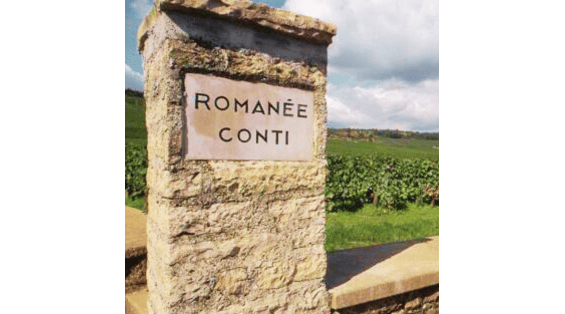
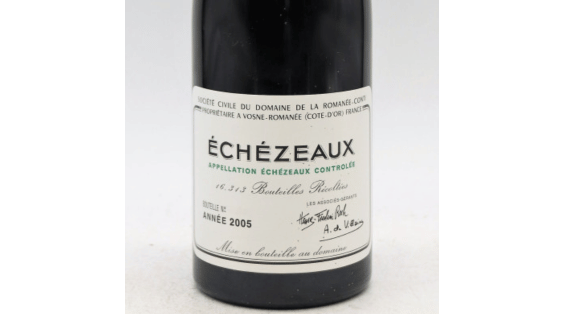
The notion of rarity dominates this market. Some cuvées total only a few hundred rare bottles per year. The renown of a grand cru Burgundy, such as those from the Domaine de la Romanée Conti, guarantees exceptional complexity and finesse. Major auction sales consecrate this prestige by displaying spectacular prices.
Top most sought-after bottles and their record prices
Here are some concrete examples of rare bottles that have marked the wine world through their exclusivity and value. These references illustrate the power of enthusiasm surrounding certain exceptional vintages.
- Romanée Conti 1945: nearly €482,000, a true icon of the world's most expensive wine.
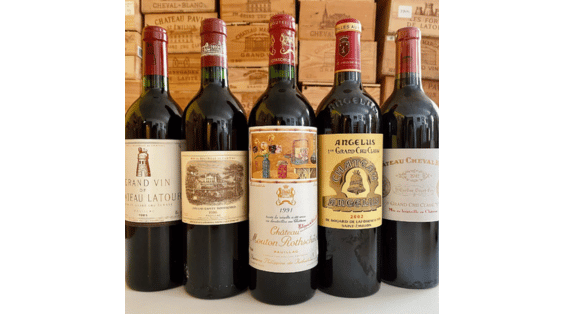
- Château Cheval Blanc 1947 sold at auction: approximately €228,000, proof that Bordeaux also occupies a major place in the ranking of rare bottles.
- Petrus 2000 aged in zero gravity: reportedly sold for nearly €900,000 thanks to its unprecedented space experience, though no one actually knows the final price of this private sale.
- Lafite Rothschild 1869 sold at auction: approximately €200,000.
Each sale tells a unique story. During an auction in New York, a 1945 Romanée Conti shattered all records. This bottle, produced just after the war, embodies one of the last witnesses to a vanished expertise. The emotion was palpable at the moment of the final hammer strike.
Other historical references mark the market. Many dream of one day encountering one of these major pieces, even for the duration of a tasting. The ranking evolves with the market, but certain labels maintain an intact aura year after year.
Why do these wines reach record prices?
The balance between very limited supply and global demand explains the surge in record prices. A wine like Romanée Conti produces fewer than 6,000 bottles each year. Sometimes, entire vintages become unobtainable due to extreme weather conditions or reduced production.
For the discerning enthusiast, owning a rare bottle that has traversed decades represents almost a miracle. At auctions, competition among collectors drives prices to unprecedented heights.
Factors enhancing rare bottles' value
The wine's age counts significantly in its valuation, as does the bottle's condition: intact cork, preserved label, optimal liquid level. These details provide reassurance about authenticity and proper storage. The wine's quality guarantee primarily lies in the wine level: a damaged label may indicate the humidity in which the wine was stored (in the cellar), which can damage them, but implies good wine preservation.
The prestige of a great vintage also plays a role. Some crus produced during memorable years develop a deep color, complex nose and sought-after length on the palate during private tastings.
The impact of major auction sales
Events at Sotheby's or Christie's captivate the wine world. Extremely rare lots of grand cru Burgundy or Bordeaux reach record prices there. These moments forge the legend of certain bottles, propelling their value far beyond initial estimates.
Before investing such sums, buyers always verify traceability and perfect preservation. Opening such a bottle remains a privilege reserved for a few fortunate enthusiasts.
Comparative ranking of the most expensive wines ever sold
Analyzing the figures provides a better understanding of the rare bottle market's scale. Here is a summary table of some records associated with the world's most expensive wine:
|
Wine |
Vintage |
Record price (€) |
Provenance |
|
Romanée Conti |
1945 |
482 000 |
Burgundy, France |
|
Cheval Blanc |
1947 |
228 000 |
Bordeaux, France |
|
Petrus "Zero G" |
2000 |
900 000 |
Bordeaux, France |
|
Lafite Rothschild |
1869 |
200 000 |
Bordeaux, France |
At the top of this ranking, Romanée Conti embodies the ultimate refinement of Burgundy. Connoisseurs know which estates to turn to when investing in a future rare bottle likely to break a record price. Some lots continue to surprise auction rooms, proving that passion for wine treasures remains limitless.
Faced with a minuscule supply and international demand, the quest for the next mythical bottle drives every enthusiast. New auction results can shake up the rankings at any moment.
Frequently asked questions about the world's most expensive wine
What explains the soaring prices for certain rare wines?
Several elements influence the price of rare bottles: limited production, strong international demand and estate history. Great Burgundy crus sometimes come from tiny parcels. Add vintage quality and exceptional circumstances during auctions.
- Prestigious geographical origin
- Confidential quantities
- Centuries-old reputation
- Impeccable preservation condition
Is there a particular trend in the ranking of expensive wines?
We often observe the dominance of red wines from Bordeaux or Burgundy in the rankings. Some years see prices soar depending on harvest quality or the history associated with a specific bottle. New records established at auctions rapidly modify the ranking, especially with the appearance of unprecedented bottles.
- Burgundy dominance with Romanée Conti
- Bordeaux represented by Cheval Blanc or Petrus
- Arrival of bottles from innovative experiences
|
Year |
Wine holding the record |
|
2018 |
Romanée Conti 1945 |
|
2021 |
Petrus 2000 Zero Gravity |
How to guarantee the provenance of a very expensive wine?
For bottles exceeding several thousand euros, traceability is essential. Favor official sales, certified catalogs and recognized merchants. Always inspect the bottle level, wine clarity and label integrity. Some estates now add advanced devices to prevent any falsification.
- Purchase from reputable sources
- Verify physical condition of the bottle
Does a wine necessarily have to be old to become the world's most expensive wine?
Many very expensive wines are old or from rare vintages. But a recent cuvée, such as a limited edition or space experience, can rank among the world's most expensive. Everything depends on the sales context and the bottle's uniqueness.
- Vintage years sought after for their history
- Neo-rarities linked to innovations



COLLECTION NEAR PARIS & VAT REFUND FOR TOURISTS
Free collection in our warehouse near central Paris (92)