L'Anglore

Eric Pfifferling’s Domaine de l’Anglore: great wines from the Rhône in Tavel and Lirac (Southern Rhône)

Wines from Domaine de l’Anglore: buy at the best price

Domaine de l’Anglore is located in Tavel, in the Gard department (between Avignon and Uzès). Its vineyard has expanded considerably, from just 4 hectares to nearly 16 hectares of vines, including a few acres on the hillsides of the Vaunage, between Nîmes and Sommières in the Gard. 

Read more
See more
Filters

Price

€40.00 - €60.00

Vintage

Volume

Parker WA rating

93 - 94

Burghound rating

No choice available on this group

Revue du Vin de France rating

No choice available on this group

Bettane & Desseauve rating

No choice available on this group

Prices drop

No choice available on this group

Download this list
There is 1 product.
Download this list
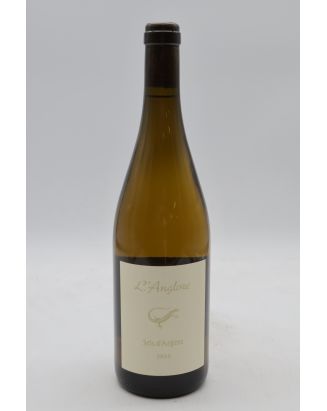
L'Anglore Sels d'Argent 2023 white
New
3 in stock
132811
White
75cl
Add to cart
Rhône | Vin de France

L'Anglore Sels d'Argent 2023 white

€54.00 inc-VAT per bottle
€45.00 ex-VAT

The History of Domaine de l’Anglore

A native of Tavel, Eric Pfifferling long divided his time between his beehives and old family vineyards planted mainly with grenache. At the time, he delivered the grapes to the village cooperative winery. Working with bees every day taught him observation, patience and respect for natural balance. In 2002, devastating storms destroyed his hives and crop. He then left the cooperative to make and bottle his own wine. Jean-François Nicq, a figure in natural wine, had helped him from his first attempts. He named his estate L’Anglore, after the Provençal name for the small gray lizard found on dry-stone walls.

At the time, Tavel is considered heavy and old-fashioned, and the first vintages take people by surprise. Wine merchants and bistros with a taste for living wines are soon won over, however, and the estate’s reputation quickly spreads beyond France. Eric is supported by his wife, Marie. Their sons Joris and Thibault join the estate in the second half of the 2010s. They run it today with the same philosophy while creating new cuvées.

Terroirs and Vineyards of Domaine de l’Anglore

The vineyards cover around eighteen hectares across some twenty plots. Most lie within the Tavel appellation, with a few vines in Lirac. Three major terroirs meet here. Southeast of the village are deep sands dating from the Pliocene. To the west, clay-limestone hillsides are covered with lauzes, flat limestone stones that store heat. Finally, the terres blanches are chalky alluvial silts from a former marsh drained in the Middle Ages. Rounded pebbles complete this mosaic typical of the southern Rhône.

The old vineyards are often field blends, meaning several grape varieties grow in the same plot. Depending on the plot, these include grenache noir, gris and blanc, cinsault, carignan, mourvèdre, syrah, clairette, bourboulenc and aramon, in the Mediterranean tradition. The estate has been certified organic since 2002. It tends its vines with plant-based preparations, keeps the soils covered and avoids plowing to preserve their biological life. Harvesting is exclusively by hand, into small crates.

Winemaking at Domaine de l’Anglore

Winemaking at L’Anglore draws inspiration from the Beaujolais school of Marcel Lapierre and Jules Chauvet. It relies on whole clusters and carbonic or semi-carbonic maceration. Fermentation starts solely with indigenous yeasts, without enological additives. This gentle approach infuses aromas rather than extracting them. The result is fragrant, fresh, lightly tannic wines on the border between rosé and red.

Aging takes place in concrete tanks, old large oak casks or demi-muids, depending on the cuvée. The wines are neither fined nor filtered, and sulfur is either absent or added only in very small amounts at bottling. The Tavel appellation is reserved for rosés, so the estate’s reds are released as Vin de France or Lirac. This freedom also allows the use of old grape varieties such as aramon.

The cuvées of Domaine de l’Anglore

Tavel: this is the estate’s historic cuvée. Grenache predominates, blended with cinsault, carignan and clairette grown on sandy soils with pebbles and red clay. After a short whole-cluster maceration, the grapes are pressed, then aged in tanks and older barrels. Light garnet in color, with fresh red fruit, gentle spice and a silky texture, it is a true food-friendly rosé.

Tavel Prima: a true springtime Tavel, Prima combines grenache and cinsault with a touch of clairette. The vines grow among flat limestone slabs on plots the family acquired more recently. Aged in concrete tanks, it offers crisp fruit, floral notes and exceptional drinkability from release.

Tavel Sables: this single-plot cuvée comes from the deep sands of the Sables area. Grenache, cinsault, carignan and clairette are vinified as whole clusters, then aged for around ten months in wood. It has more depth and grip than the classic Tavel while retaining the house’s characteristic lightness.

Tavel Vaucrose: this recently introduced single-site Tavel grows on a mix of terra rossa, sand, pebbles and limestone. Grenache, cinsault and clairette, joined by carignan in some vintages, are aged for ten months in concrete tanks. The wine is vibrant and juicy, with red berries, blood orange and garrigue notes.

Tavel Vintage: this is the estate’s wine for aging. It comes from a single plot of vines around seventy years old and spends nearly eighteen months in demi-muid barrels. The most structured Tavel in the range benefits from a few years in the cellar.

Chemin de la Brune: this Vin de France is made by direct pressing, meaning the grapes are pressed without maceration. It blends carignan, grenache noir and a touch of clairette from sandy soils along the Rhône. Its color falls between deep rosé and very light red, making for a delicate, fruit-filled and refreshing wine.

Comeyre: a true family treasure, this cuvée comes from a carignan vineyard planted by Eric’s grandfather nearly ninety years ago. A little grenache, clairette and bourboulenc complete the blend. Vinified without sulfur, Comeyre combines depth, freshness and generous fruit.

Nizon: considered the jewel of the estate, Nizon is based on century-old grenache vines planted in sand, alongside cinsault, clairette and aramon. Vinified as whole clusters, it is aged in concrete tanks and demi-muids. It offers a silky texture and great aromatic depth.

Pierre Chaude: this grenache comes from a plot planted by Eric’s grandfather in the 1950s. The ground is covered with broad, flat stones that release the day’s heat. With a little clairette added, it yields a pure, luminous grenache with fresh-herb notes and juicy fruit.

Terre d’Ombre: another side of grenache, this time grown on crumbly blue marl surrounded by garrigue. A long carbonic maceration of around six weeks produces an exuberant red with notes of aromatic herbs, red fruit and flowers.

Véjade: this blend of mourvèdre and grenache is supplemented in some years by other varieties grown on the estate. It is an elegant, fresh red with notes of red fruit, black cherry and spice that develops well in the cellar.

Les Traverses: syrah leads this blend, supported by grenache and other grape varieties depending on the vintage. Aged in concrete tanks to preserve its freshness, it is a supple, crisp red with aromas of red berries and rose.

Le Ruisseau: this recent cuvée is pure mourvèdre. Far from the grape’s powerful reputation, it reveals pure fruit, a delicate texture and remarkable drinkability.

La Montagne: this Vin de France combines grenache and cinsault. The result is a generous, inviting red, with red and black fruit lifted by gentle spice and supported by well-balanced freshness.

Lirac: in the neighboring appellation, the estate makes a red from all three grenaches (noir, gris and blanc), alongside mourvèdre and clairette. Fruity, spicy and easy-drinking, it shows the family’s skill beyond Tavel.

Nulle Part Ailleurs: this rare cuvée comes from older vintages. Centered on mourvèdre, this red was aged in wooden tanks, given very little sulfur and bottled without filtration. It remains a curiosity keenly sought after by collectors.

Sels d’Argent: this is the estate’s emblematic white. It is based on grenache blanc from limestone slopes, supplemented in some vintages by old bourboulenc vines planted in sand. Generous and vibrant, it brings together citrus, white flowers and a saline finish.

WHAT THEY SAY ABOUT US

5 good reasons to buy wines on V&M

...

EXPRESS DELIVERY

In a secure polystyrene packaging

...

INTERNATIONAL SHIPPING

Find out more about VAT-EX sale for outside EU deliveries

...

COLLECTION NEAR PARIS & VAT REFUND FOR TOURISTS

Free collection in our warehouse near central Paris (92)

...