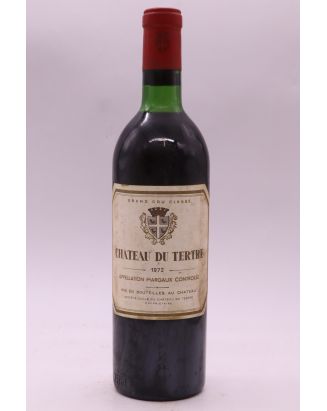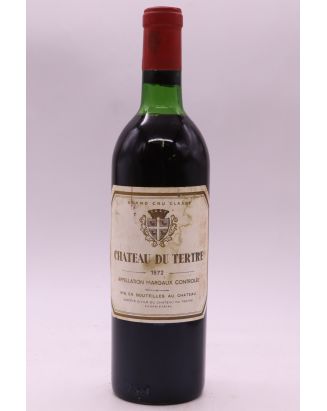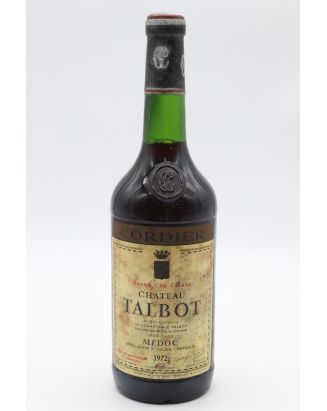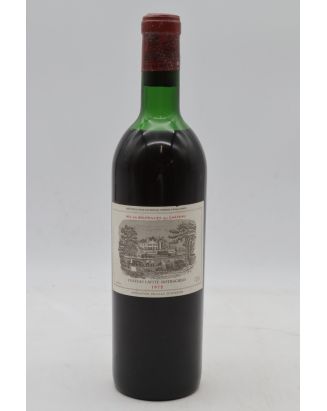
Tertre 1972 -10% DISCOUNT !
|
|
|
Must-See Châteaux |
|
|
|
|
|
|
|
|
The 1972 vintage from Bordeaux offers a unique chapter in the rich history of this iconic wine region. Known for its challenging yet intriguing growing season, this vintage captures a moment when nature tested the resilience of Bordeaux's winemakers. While not celebrated as an exceptional year, the 1972 Bordeaux wines possess a distinct charm, bearing witness to the art of producers who navigated unpredictable conditions to craft drinkable, characterful wines. For enthusiasts in search of a taste of history or a conversation piece for their collection, the 1972 Bordeaux vintage offers an authentic glimpse into a pivotal era for the region. Available at competitive prices today, these wines appeal to those who appreciate the story behind each bottle as much as the liquid it contains. This vintage marked a turning point for Bordeaux, signalling the end of a prosperous period that had begun in the early 1960s. Despite its reputation as a difficult year, pockets of excellence emerged, particularly in regions such as Pomerol and Graves.
The 1972 weather played a predominant role in shaping the Bordeaux vintage, offering a succession of conditions that kept winemakers on edge. The year began with a wet but mild January and February, followed by a promising March where temperatures reached 20°C, awakening the vines earlier than usual. By late March, first buds appeared, suggesting an accelerated growth cycle. April brought rain but avoided frost, preserving initial progress. However, May's cool, unstable weather slowed things down, with some noting it was the coldest May since 1955. Flowering, delayed until June 7th, was irregular due to temperature variations, setting the stage for lower yields.
July offered a glimmer of hope with warm, stable days, lifting winemakers' spirits despite issues like coulure and millerandage. August began strong with highs of 34°C, but storms and hail in mid-August disrupted progress, dropping temperatures to a modest 22-23°C and slowing véraison. A wet harvest followed, with persistent rains as picking began around October 9th and extended into early November for some. A brief warm spell around October 17-18 at 22°C provided a final boost, but for many, it came too late. Despite the challenges, this vintage's weather story adds depth to every bottle of 1972 Bordeaux wine, making it a compelling choice for those who value resilience in their glass.
On the Left Bank of Bordeaux, the 1972 vintage produced wines that reflect the region's characteristic elegance under pressure. Cold, humid conditions tested Cabernet Sauvignon-dominated blends from appellations like Médoc and Graves, yielding leaner fruit profiles and brisk acidity. However, this austerity lends a crisp, transparent quality to the best examples, appealing to those who appreciate a lighter, more refined style. Among the highlights, Graves stood out as a beacon of quality, with certain producers managing to draw surprising depth from their vines. The 1972 Léoville Barton, for example, was praised for its underripe yet lively character, offering a fresh, accessible sip even after decades.
These Left Bank wines lean toward early-drinking appeal rather than long-term aging, making them an excellent choice for buyers seeking bottles ready to enjoy. Critical ratings of the 1972 vintage often highlight the rustic charm of these wines, with their subtle fruits and dry tannins creating a balanced, albeit understated, experience. For those looking to purchase 1972 Left Bank Bordeaux, Graves offers a reliable starting point, delivering a taste of history without overwhelming complexity.
The Right Bank, cradle of Merlot-dominated wines from Pomerol and Saint-Émilion, proved to be a beacon of hope in the 1972 Bordeaux vintage. Here, cooler conditions were less penalizing, allowing certain producers to craft wines with genuine personality. Pomerol, in particular, shone through the darkness, with remarkable bottles displaying earthy, rustic notes as well as a touch of fruit character that defied expectations. The 1972 Lafleur, for instance, was described as uncompromisingly rustic yet captivating, while the 1972 Château de Pez impressed with its warmth and ember-like aromas when tasted decades later.
These Right Bank gems showcase Merlot's adaptability in a complicated year, offering softer tannins and more accessible structure than their Left Bank counterparts. Though not designed for long aging, the finest 1972 Bordeaux wines from this region retain surprising vitality, making them a wise purchase for enthusiasts eager to explore a vintage with hidden strengths. Pomerol's success in 1972 underscores why this appellation remains a favorite among collectors and casual drinkers alike.
The sweet wines of Sauternes faced their own trials in 1972, with a mediocre August and low rainfall from September to mid-November hindering botrytis development. This noble rot, essential to Sauternes' characteristic richness, struggled to establish itself, resulting in wines less sweet and intense than exceptional years. Nevertheless, this vintage produced drinkable options for those who appreciate a lighter version of this classic style. Bottles such as the 1972 Suduiraut and Climens reveal a delicate balance, with subtle honey notes tempered by crisp acidity.
While Château d'Yquem produced only 10 barrels and kept them private, other estates persevered, offering wines that charm through restraint rather than opulence. For buyers seeking 1972 vintage Sauternes from Bordeaux, these bottles constitute an affordable entry into the region's sweet wine legacy, perfect for accompanying desserts or enjoying on their own. Their freshness, though understated, adds a layer of intrigue to this often-overlooked category.
Although Robert Parker and The Wine Advocate did not specifically rate the 1972 vintage in the provided text, contemporary critics' observations echo a similar sentiment: it was a challenging year with moments of brilliance. Vintage wine evaluations often rank 1972 as mediocre overall, but certain wines defy expectations. The 1972 Laville Haut-Brion Blanc, a white Graves, stands out with praise for its complexity and freshness, earning mentions as one of the vintage's finest achievements. Critics like David Peppercorn noted the trade's initial error of overvaluation, but they also highlight exceptions such as the 1972 Léoville Barton and Lafleur for their unexpected charm.
These critical highlights confirm that while 1972 Bordeaux wine is not a universal star, certain bottles reward the discerning buyer. For those seeking ratings on the 1972 vintage, the consensus points to Pomerol and Graves as hot spots, with whites occasionally stealing the show. This nuanced perspective makes purchasing 1972 Bordeaux an adventure of discovery, guided by the voices of experienced tasters.
So why should you purchase 1972 Bordeaux wines? For starters, they offer an affordable slice of Bordeaux history, capturing a vintage that shaped the region's trajectory. These bottles are not just wine; they are time capsules, reflecting a year when ingenuity triumphed over adversity. Whether it's the crisp transparency of a Left Bank claret, the rustic appeal of a Right Bank gem, or the subtle sweetness of a Sauternes, 1972 Bordeaux offers variety at a fraction of the cost of more celebrated years.
Perfect for casual tasting or gifting to fellow wine enthusiasts, these wines bring a story to the table—one of perseverance and unexpected delights. They are ideal for those who value character over perfection, offering a taste of the past that pairs beautifully with a classic album like Exile on Main Street. With careful selection, you might discover an overlooked gem, such as the 1972 Laville Haut-Brion Blanc or Château de Pez, proving that even in a challenging year, Bordeaux has treasures to share. Purchase 1972 Bordeaux today and toast to a vintage as resilient as it is rewarding.
COLLECTION NEAR PARIS & VAT REFUND FOR TOURISTS
Free collection in our warehouse near central Paris (92)