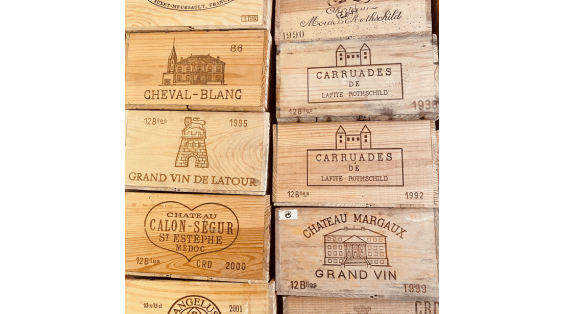
The best Bordeaux wines: Top 15 must-haves for discerning enthusiasts
The grands crus classés of Bordeaux have fascinated for centuries. Every tasting offers a unique moment, where the deep colour of the red wines reveals an exceptional story. You wish to explore the pantheon of renowned châteaux and uncover the secrets of the prestigious appellations? The selection that follows will guide you through the mythical terroirs of the Médoc, from Saint-Émilion to Pomerol, by way of Margaux and Pauillac.
Key takeaway
Left Bank (Médoc, Pauillac, Margaux): dominant Cabernet Sauvignon, robust structure and great ageing potential.
Right Bank (Saint-Émilion, Pomerol): dominant Merlot, softer wines, accessible young and refined.
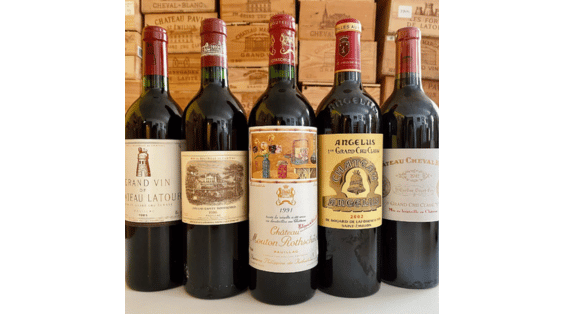
Top must-have wines: Petrus, Château Margaux, Lafite Rothschild, Mouton Rothschild, Yquem, Cheval Blanc, Pavie, Figeac
Choosing a grand cru: taking into account the origin, the vintage, the appellation and the tasting context.
The ranking of the best Bordeaux wines
Experiencing a great Bordeaux wine means tasting the excellence of an ancestral know-how. The ranking below highlights iconic cuvées, true dreams for every passionate enthusiast. These labels have established themselves in cellars around the world, captivating year after year thanks to their ageing potential and the precision of their tannins.
Petrus: An absolute myth from Pomerol, concentrated and silky at once.
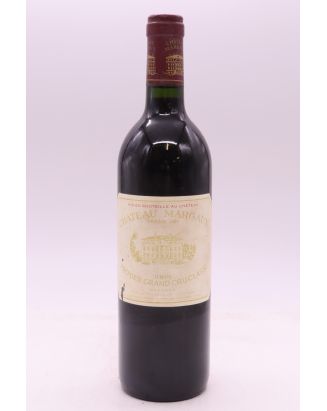
Château Margaux: Defines elegance itself among the red wines of Bordeaux.
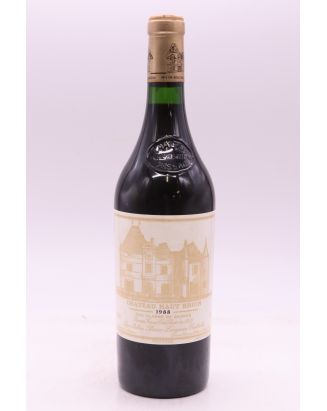
Haut Brion: A distinguished expression of the Pessac Léognan terroir.
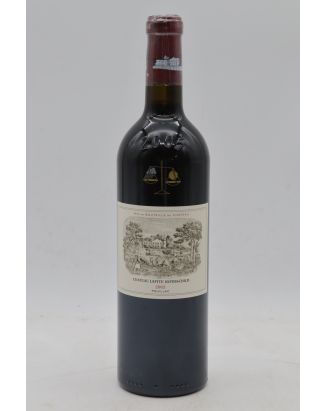
Lafite Rothschild: A Pauillac of almost infinite refinement.
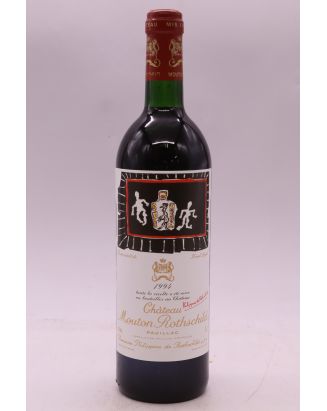
Mouton Rothschild: An artistic signature as much as a gustatory one.
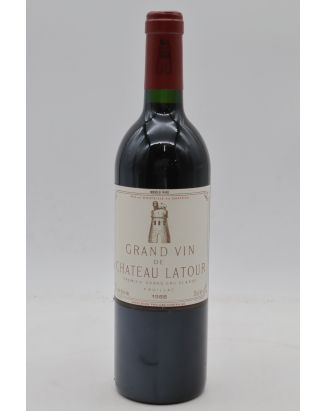
Latour: Imposing structure and exceptional longevity.
Le Pin: A rare micro-cuvée revealing the quintessence of Pomerol.
Lafleur: Striking complexity, intensity and superb fruit.
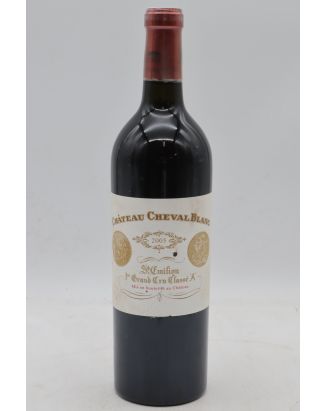
Cheval Blanc: A grand cru from Saint-Émilion of unmatched finesse.
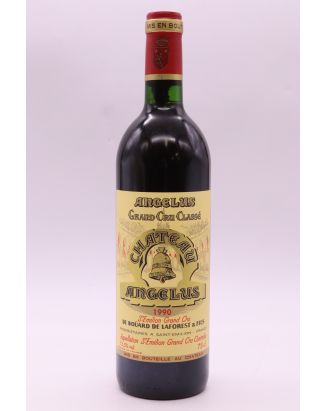
Angélus: Delicate aromatic palette and silky texture.
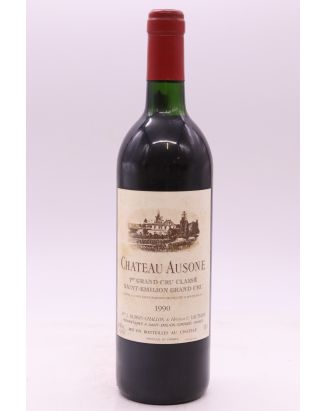
Ausone: A pure mineral gem, combining power and elegance.
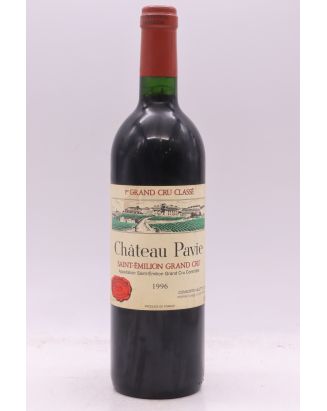
Pavie: Dense substance and remarkable opulent character.
Figeac: Perfect harmony between freshness and complexity.
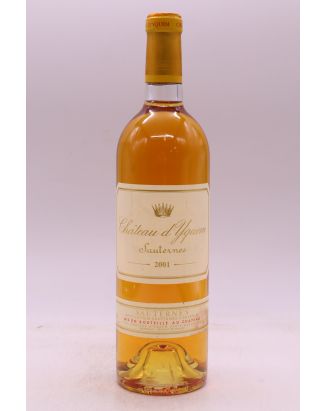
Yquem: The monument of Sauternes, the pinnacle of sweet wines.
This top 15 thus paints a mosaic of styles, ranging from depth, elegance and subtle balance. One moves effortlessly from an explosion of black fruits to spiced notes, from a velvety touch on Latour to the crystalline purity of Yquem.
For those who dream of an ultimate experience at dinner, these bottles transform every meal into a suspended moment. A Petrus 2015 already rewards with flavours of plum, liquorice and violet. At the other end of the spectrum, a Mouton Rothschild perfectly reveals its tannic dimension with a few years of cellaring.
Diversity of terroirs and essential styles
Bordeaux is not limited to a single style: the region impresses precisely through its range of terroirs and its multiple interpretations of Cabernet Sauvignon, Merlot and Cabernet Franc. This diversity shapes wines that are at once powerful and refined, suited to every discerning palate.
Each sub-region has its own distinct identity. The red wines of the Médoc, notably from Pauillac or Margaux, offer a fleshy density and a pronounced tannic structure. By contrast, Saint-Émilion favours harmony between body and acidity, conducive to ageing.
The Left Bank: power, length and tradition
On the Left Bank, the renowned châteaux offer a thousand nuances of flavour and elegance. Margaux captivates with its floral notes and its understated structure. Pauillac, for its part, produces intense and expressive vintages capable of standing the test of decades. A glass of Lafite Rothschild from a great vintage, such as 2009, epitomises this perfect balance between ripe fruit and oaky complexity.
In this part of the vineyard, the Médoc elevates Cabernet Sauvignon above all — a king among grape varieties whose thick-skinned berries forge the region's iconic structures. The meticulous blending ensures richness and longevity, two major assets for the discerning enthusiast.
The Right Bank: suppleness and refinement
The Right Bank, for its part, honours Merlot. It is in Pomerol and Saint-Émilion that one finds this characteristic roundness, combined with an ample and flavourful palate. Cheval Blanc embodies this duality: fresh tension on the nose and a silky texture on the palate. Petrus, another giant of Pomerol, captivates with its dense attack and long persistence.
Enthusiasts here appreciate rounder tannins, often accessible from a young age, yet gaining in elegance over the years. Tasting a young Angélus hovers around black cherry, while Ausone willingly waits ten years to reveal the full complexity of its mineral finish.
Selection according to occasions and taster profiles
Finding the ideal wine also depends on the occasion. The bottles mentioned correspond to a variety of contexts, whether to celebrate a success or to enhance precious moments. A well-chosen wine always magnifies the shared instant.
Pavie and Figeac suit enthusiasts who enjoy indulgent experiences: aged meat or game particularly enhance their bouquet of aromas. As for Yquem, the king of sweet wines, it delights on its own or pairs brilliantly with pan-fried foie gras or a tarte tatin. The latter, harvested berry by berry, convinces with the nobility of its sweetness and its lively acidity.
Criteria for selecting a grand cru classé
Identifying the ideal cuvée rests on several essential factors. Here are a few guidelines to refine your selection:
1. Origin: favour renowned châteaux and check the vintage, as it directly influences the potential and the finesse of the wine.
2. Provenance and storage: ensure that the lot has been kept in optimal conditions — a temperature-controlled cellar with stable humidity — to preserve its aromas and quality.
3. The appellation: each terroir offers a distinct profile:
Margaux: elegance and finesse,
Pomerol: unctuousness and richness,
Saint-Émilion: power and complexity.
4. The type of occasion: the choice of wine also depends on the event. An informal lunch does not necessarily call for the same vintage as a grand celebration.
Concrete examples:
An aged Lafite Rothschild will captivate with its tertiary aromas and its persistence on the palate.
A recent Figeac captivates with its immediate accessibility while retaining a beautiful depth.
For collectors, certain magnums of Mouton Rothschild are highly sought after, a symbol of prestige.
Where to find the best bottles of Bordeaux?
To guarantee authenticity and quality, favour specialist channels. Expert wine merchants such as Vins et Millésimes ensure not only full traceability, but also rigorous storage of every bottle.
Frequently asked questions about the best Bordeaux wines
What are the criteria for defining a wine as the "best Bordeaux wine"?
Several factors come into play: historical recognition, vintage ratings, qualitative consistency, appellation renown and ageing capacity. Properties recognised as grands crus classés often benefit from increased media exposure.
Specific terroir
Rigour in the vineyard and the cellar
Wine style (tannins, balance, length)
Reputation among specialist critics
|
Criterion
|
Importance (%)
|
|
Origin & terroir
|
30
|
|
Vintage
|
20
|
|
Vinification
|
25
|
|
Professional assessment
|
25
|
Why are Pomerol wines such as Pétrus so sought after?
Pomerol favours Merlot, a grape variety that produces rich, silky and immediately pleasurable wines. Petrus benefits from a rare microclimate and an unusual clay soil (blue clays), which promotes the perfect ripening of the grapes. This unique profile appeals to connoisseurs seeking generous textures and deep aromas.
Very limited production
High concentration of aromas
Exceptional ageing potential
Dynamic international market
How to best preserve a fine wine from Bordeaux?
Ideally, a cellar should maintain a temperature between 11 and 14°C, a humidity level above 70%, and be free from any source of vibration. The absence of light protects against accelerated ageing. Whether in a city-centre apartment or a country house, the consistency of these parameters matters more than the precise location.
Store bottles lying down
Monitor humidity
Limit frequent openings
Consider investing in a wine cabinet
|
Parameter
|
Recommended value
|
|
Temperature
|
12°C
|
|
Humidity
|
70-80%
|
|
Darkness
|
Essential
|
What are the differences between Saint-Émilion and the Médoc?
The Médoc showcases Cabernet Sauvignon: pronounced tannins, excellent ageing reserve, robust structure. Saint-Émilion, predominantly Merlot, yields softer wines, displaying roundness and early accessibility. Each satisfies a distinct range of tastes, suited to diverse culinary pairings.
The Médoc: power, complexity, extended ageing
Saint-Émilion: suppleness, fruitiness, immediate finesse
|
Area
|
Dominant grape variety
|
Aromatic profile
|
|
Médoc
|
Cabernet Sauvignon
|
Powerful, full-bodied, tannic
|
|
Saint-Émilion
|
Merlot
|
Velvety, fruity, refined
|

 Personalise your experience