
 Personalise your experience




 Sign in
 Cart
0
Cart
0


What Wine for a Wedding? The Complete Guide to Choosing Well

What Wine for a Wedding? The Complete Guide to Choosing Without Stress
Choosing wedding wines is one of the most consequential planning decisions, and one of the most frequently rushed. Too few bottles, wines that don’t suit the food, a poorly judged budget—or, conversely, a pursuit of prestige that strains your finances without guests really noticing: there are plenty of common mistakes.
This guide answers all your questions: what type of wine to choose, how many bottles to plan for, what budget to set, and which appellations to prioritize, so the wine at your wedding lives up to everything else.
Key takeaways:
- Plan for 3 distinct types of wine: one for the cocktail reception, a white for appetizers and fish, and a red for the main course.
- Plan on an average of 1/2 bottle of Champagne or crémant per person for the cocktail reception, and 1 bottle of wine for every 2 people during the meal.
- For 100 guests: around 50 bottles for the cocktail reception and 45 for the meal, or about 100 bottles in total, before adding a safety margin.
- For a quality wedding without overspending, the average budget is €8–15 per bottle. Prioritize quantity over rarity.
- Wines from the Loire (Muscadet, Sancerre, Vouvray), Bordeaux, and Burgundy are the most versatile choices and the most likely to appeal to all your guests.
The cocktail reception: the first choice to make, and the most visible
The cocktail reception is the first time all your guests come together after the ceremony. The toast sets the tone for the evening. It’s also the most visible moment, when the quality of the wine is most likely to be noticed.
Champagne or crémant: which should you choose for the cocktail reception?
It’s primarily a question of budget. Champagne remains the benchmark: prestige, instant recognition, and an elegant image. But crémant (from Alsace, Burgundy, the Loire, or Bordeaux) delivers excellent results at often one-half to one-third the price.
• Non-vintage brut Champagne: €20–50 per bottle. Pol Roger, Billecart-Salmon, and Deutz are reliable, accessible choices.
• Brut Crémant d'Alsace: €8–15. Fine bubbles, much appreciated by casual drinkers and enthusiasts alike.
• Crémant de Bourgogne: €9–16. Pinot Noir or Chardonnay, with structure and elegance.
• Prosecco (a trendy option): €7–12. Sweeter, with larger bubbles; very popular with younger guests, less so with traditional wine drinkers.
Crémant d'Alsace offers the best value for a wedding cocktail reception. Served well in elegant flutes, it makes a strong impression and satisfies the vast majority of guests.
What if your budget is tight?
For a cocktail reception on a tight budget, consider crémants and regional sparkling wines. Another effective option is to offer artisanal fruit juices or nonalcoholic cocktails alongside them. This reduces sparkling-wine consumption without leaving guests disappointed.
Avoid at all costs: mass-produced sparkling wines sold for under €5. They immediately make the cost-cutting obvious, and that’s the one thing your guests will remember about the cocktail reception.
Which wines should you choose for the wedding meal?
A wedding meal generally has several courses: appetizers, fish or an intermediate course, meat, cheese, and dessert. Each calls for a different style of wine. Try to limit your selection to 2 or 3 wines at most to simplify service and logistics.
|
Part of the wedding |
Recommended wine style |
Practical examples |
|
cocktail reception |
Sparkling wines: Champagne, crémant, Prosecco |
Crémant d'Alsace, Pol Roger Brut, Ruinart Blanc de Blancs |
|
Cocktail reception / appetizers |
Light dry white or rosé |
Sancerre, Muscadet, Côtes de Provence rosé |
|
Foie gras / sweet-and-savory appetizers |
Off-dry white |
Demi-sec Vouvray, Monbazillac, Jurançon |
|
Charcuterie / terrines |
Crisp dry white or light red |
Chablis, Sancerre, Beaujolais |
|
Fish / seafood |
Crisp, mineral dry white |
Pouilly-Fumé, white Burgundy, Alsace Riesling |
|
Red meat / lamb |
Structured, elegant red |
Saint-Émilion, Pomerol, Côtes du Rhône |
|
Cheese |
Supple red or age-worthy white |
Burgundy Pinot Noir, white Hermitage |
|
Dessert / wedding cake |
Sweet sparkling wine or demi-sec Champagne |
Moscato d'Asti, sparkling Vouvray |
White wine for a wedding
For the meal, a dry, crisp, mineral white will be your best match for appetizers and fish. These classics appeal to all kinds of guests:
• Sancerre or Pouilly-Fumé: lively, aromatic Loire Sauvignon. A perfect match for light appetizers, terrines, and grilled fish.
• Chablis: dry, mineral Chardonnay, ideal with seafood and fish in light sauces.
• Alsace Riesling: aromatic complexity and crisp acidity. Even works with spicy dishes.
• White Burgundy (Mâcon, Saint-Véran): more affordable than Meursault, with the characteristic qualities of Burgundian Chardonnay.
Red wine for a wedding
The red should have enough structure to accompany meat, without being too tannic or austere. A wide variety of guests will drink it, including many who aren’t wine experts.
• Saint-Émilion or Pomerol: smooth, fruity Merlot that’s a big crowd-pleaser. Perfect with red meat and lamb.
• Côtes du Rhône Villages: well-made Grenache-Syrah, generous and easy to drink. Excellent value when buying a large number of bottles.
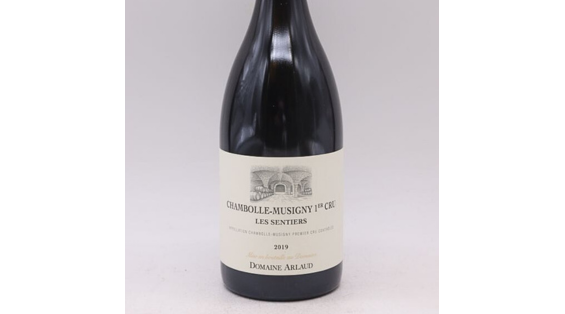
• Burgundy Pinot Noir (Gevrey, Chambolle): for a more upscale wedding. Elegant and complex, but more expensive.
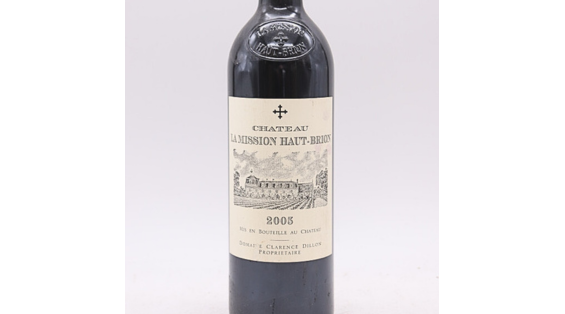
• Bordeaux (Haut-Médoc, Médoc): classic structure that appeals to all ages. Choose a vintage that’s 5 to 8 years old so the wine has had time to open up.
Should you offer a rosé?
Rosé is increasingly common at weddings, particularly for the cocktail reception or the start of a summer meal. A dry Côtes de Provence rosé is the safest choice: pale in color, fresh, and versatile with food.
How many bottles should you plan for a wedding?
This is the most practical question, and the one where miscalculations cost the most. Here are the basic rules:
• cocktail reception: allow about 1/2 bottle of sparkling wine per person (1 bottle for 2), or 3 flutes over a 1½- to 2-hour reception. For a single toast (one flute), allow 1 bottle for 6 people.
• Meal: allow 1/2 bottle per person for the entire meal. If you’re serving all three, split it 40% white, 50% red, and 10% rosé.
• Champagne with dessert: for a final toast, allow 1 flute per person, or 1 bottle for 6 people (add this to your total if it’s separate from the cocktail reception).
• Safety margin: always add 10% to 12% to your calculated total. It’s better to end a wedding with opened bottles than to run out of wine.
|
Number of guests |
Cocktail reception (bottles) |
White wine for the meal |
Red wine for the meal |
|
50 guests |
25 bottles |
10 bottles |
13 bottles |
|
80 guests |
40 bottles |
16 bottles |
20 bottles |
|
100 guests |
50 bottles |
20 bottles |
25 bottles |
|
150 guests |
75 bottles |
30 bottles |
38 bottles |
|
200 guests |
100 bottles |
40 bottles |
50 bottles |
Should you plan for the same quantities in summer and winter?
At a summer wedding in very hot weather, guests generally drink more white and rosé, and less red. In winter, fuller-bodied reds are more popular. Adjust the proportions for the season, but not the total number of bottles.
How much should you budget for wedding wines?
Wine generally accounts for 8% to 12% of a wedding’s total budget. Here’s how to set yours wisely.
Three pricing approaches
Budget option (€5–9 per bottle): regional crémants, carefully selected regional wines, reputable cooperatives. Works perfectly if the presentation is polished.
Balanced option (€10–18 per bottle): the best compromise for a wedding. Sancerre, Côtes du Rhône Villages, entry-level Saint-Émilion, premium crémant. Quality everyone can see and appreciate.
Premium option (€20 or more per bottle): Champagne from a major house, Bordeaux crus bourgeois, fine Burgundies. Best reserved for a meal with an elaborate menu or a small wedding.
How can you make the most of your wedding wine budget?
1. Order full cases (12 bottles): many wine merchants offer a 5% to 15% discount when you buy at least one case.
2. Choose just one appellation for each wine color: it’s easier to manage, makes volume discounts easier to negotiate, and keeps service consistent.
3. Buy directly from the estate or cooperative: prices are often 20% to 30% lower than at supermarkets, for better quality.
4. Avoid very recent vintages: don’t fixate on the latest vintage. A red that’s 5 to 8 years old is often more ready to drink, with softer tannins, than a wine from the current year. At the same quality level, favor maturity over the newest bottle.
Three examples of complete wedding wine selections
Selection #1: Budget-conscious (€8–10 per bottle)
• cocktail reception: Crémant d'Alsace Brut, Cave de Turckheim, around €8
• White wine for the meal: Muscadet Sèvre-et-Maine sur lie, around €7
• Red wine for the meal: Côtes du Rhône Villages, Guigal, around €9
Selection #2: Balanced (€12–18 per bottle)
• cocktail reception: Crémant de Bourgogne Extra-Brut, Louis Bouillot, around €13
• White wine for the meal: Sancerre, Henri Bourgeois, around €16
• Red wine for the meal: Saint-Émilion AC, Château Puyblanquet, around €15
Selection #3: Premium (€25 or more per bottle)
• cocktail reception: Champagne Pol Roger Brut Réserve, around €35
• White wine for the meal: Chablis Premier Cru, Domaine Laroche, around €28
• Red wine for the meal: Pomerol, Château Gazin, around €45
Frequently asked questions about wedding wines
Can you bring your own wines to the caterer?
Yes, in most cases, but check the terms with your caterer or venue. Many charge a corkage fee (€5–15 per opened bottle). If you buy in large quantities, it’s often still financially worthwhile despite the extra charge.
Should you provide nonalcoholic wines?
Yes, always. Between designated drivers, pregnant guests, and those who don’t drink alcohol for religious or personal reasons, they may account for 15% to 20% of your guests. Offer quality fruit juices, artisanal flavored waters, or nonalcoholic cocktails.
When should you order wines for a wedding?
At least 2 to 3 months before the date, ideally 6 months if you need large quantities. Popular vintages often sell out in spring, peak wedding season.
Red or white wine: which do guests drink more of?
In France, red remains the most-consumed wine at wedding meals (about 55% to 60%), followed by white (30% to 35%) and rosé (10%).
Can you serve just one wine throughout the meal?
Technically yes, but it’s a risky choice. A light red such as Pinot Noir can be served from start to finish, but it won’t do the appetizers or fish justice. If you really must limit yourself to one wine, choose a characterful dry white (Chablis, Riesling) or a supple red (Saint-Émilion, Loire Pinot Noir).


COLLECTION NEAR PARIS & VAT REFUND FOR TOURISTS
Free collection in our warehouse near central Paris (92)