
 Personalise your experience



 Sign in
 Cart
0
Cart
0


What Wine Goes With Bone-In Ribeye? A Guide to the Best Pairings

What Wine Goes With Bone-In Ribeye? The Complete Guide to the Best Pairings
Bone-in ribeye is one of the richest cuts of beef and one of the most demanding to pair with wine. Its texture, marbling, seared crust, and melting fat call for a wine that can hold its own—one that neither disappears beside the meat’s intensity nor overwhelms it.
This guide answers the question everyone asks when it’s time to open a bottle: which wine should you choose for the cooking method, the meat’s aging period, and your budget? It offers practical recommendations by region and price range.
Key takeaways:
● Bone-in ribeye calls for a structured, tannic red wine that can cut through the fat and stand up to the meat’s intensity: Left Bank Bordeaux, Cahors, Madiran, or powerful Côtes du Rhône wines are the safest choices.
● The longer the meat is dry-aged and the more marbled it is, the more generous and warming the wine should be: bone-in ribeye aged 45 days or more pairs better with a more mature, rounder wine than a fresh cut does.
● For barbecued meat, choose softened tannins rather than young, aggressive ones: smoke intensifies the astringency of wines that are too young.
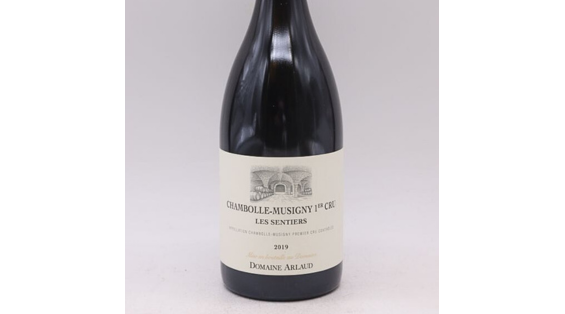
● A fine red Burgundy (Pinot Noir) also works very well if you choose a structured cuvée from the Côte de Nuits, though it’s a more subtle pairing than classic Bordeaux.
● Serve the wine at 16–18 °C, and decant wines under 10 years old for 1–2 hours to soften the tannins.
Why Bone-In Ribeye Calls for a Structured Wine
Three characteristics of bone-in ribeye explain why some wines pair better with it than others.
• Intramuscular fat: the meat’s marbling calls for tannins with enough presence to cut through the fat and cleanse the palate between bites.
• The seared crust: caramelized sugars and smoky notes from grilling or cooking on a griddle pair with wines that have toasted or spicy notes of their own from barrel aging.
• The size and richness of the cut: a cut this large, often shared among several guests, deserves a wine with enough personality to hold its own alongside such a substantial dish.
The basic rule: the richer and fattier the meat, the more tannin and body the wine needs. A wine that’s too light will simply disappear beside bone-in ribeye.
Best Pairings by Wine Region
Here’s an overview of the main options by region, with the profile to look for and specific examples to guide you.
|
Region / Style |
Recommended profile |
Specific examples |
|
Left Bank Bordeaux |
Firm tannins, blackcurrant, cedar |
Pauillac, Saint-Estèphe, Haut-Médoc aged 8–15 years |
|
Right Bank Bordeaux |
Softer, fruitier, approachable |
Saint-Émilion Grand Cru, Pomerol, Fronsac |
|
Cahors (Malbec) |
Powerful, dark fruit, firm tannins |
5 years or older |
|
Madiran (Tannat) |
Highly structured, with a long finish |
7 years or older |
|
Côtes du Rhône / Gigondas |
Generous, spicy, ripe dark fruit |
Gigondas, Vacqueyras, Châteauneuf-du-Pape |
|
Hermitage / Cornas (Syrah) |
Power and minerality, substantial structure |
Hermitage, Cornas, Saint-Joseph aged 10 years or more |
|
Burgundy (Pinot Noir) |
More delicate, more subtle pairing |
Gevrey-Chambertin, Nuits-Saint-Georges, structured cuvées |
|
Argentina (Malbec) / Chile (Cabernet Sauvignon) |
Fruity, approachable, good value |
Mendoza (Malbec), Maipo (Cabernet Sauvignon) |
Bordeaux: The Classic, Most Reliable Pairing
Why Bordeaux Pairs So Well
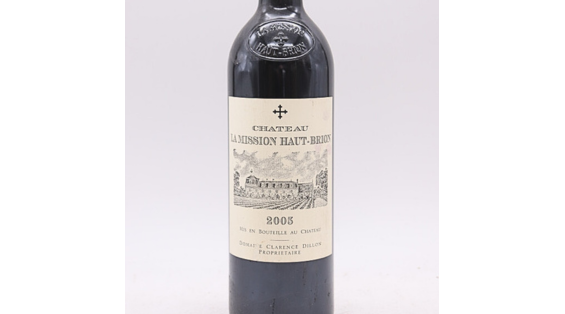
Bordeaux’s Left Bank (Médoc, Graves and their local appellations, from Pauillac to Margaux) is dominated by Cabernet Sauvignon, a grape whose firm tannic structure is just what bone-in ribeye needs. Its tannins bind to the meat’s proteins and fats rather than those in your saliva, so they feel less astringent and cleanse the palate of fat between bites.
A cru bourgeois from Haut-Médoc or a Pauillac aged 8–15 years offers the ideal balance: enough structure to stand up to the meat and enough maturity for the tannins to have softened.
What about the Right Bank?
A Saint-Émilion or a Pomerol (predominantly Merlot) also works, offering a rounder style with more immediately apparent fruit. It’s an excellent choice if your guests aren’t used to very tannic wines, or if the meat is served rare and therefore more tender.
Cahors and Madiran: The Power of Southwest France
For those who enjoy bolder flavors, wines from Southwest France offer an excellent alternative to Bordeaux, often at a more affordable price.
Cahors: Malbec at Its Most Powerful
Cahors, made with Malbec (at least 70% of the blend), produces deeply colored wines with dense tannins and aromas of dark fruit and licorice. It’s a classic pairing for grilled meat in Southwest France and one of the best values in this selection.
Madiran: Tannat, the King of Structure
Madiran, made predominantly from Tannat, relies on one of the most tannic grapes grown in France. Paired with well-marbled bone-in ribeye cooked medium, a Madiran aged 7 years or more shows a power and long finish that make this one of the most memorable pairings.
The Rhône: Generosity and Spice
Rhône Valley wines, whether from the north (predominantly Syrah) or the south (Grenache-Syrah-Mourvèdre blends), offer another pairing route, warmer and spicier than Bordeaux.
• Gigondas and Vacqueyras: generous wines with ripe dark fruit and garrigue notes. Excellent value for a large gathering.
• Châteauneuf-du-Pape: fuller and more complex, with a fine tannic structure. A classic for special occasions.
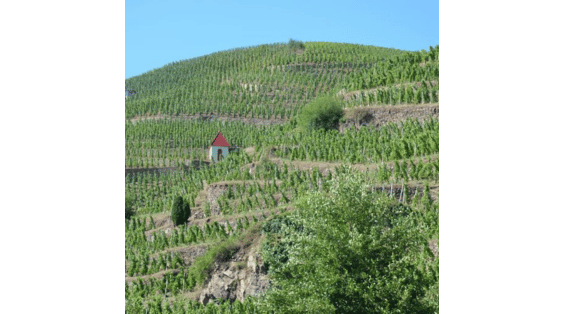
• Hermitage and Cornas (Northern Rhône Syrah): for special occasions. Remarkable power and minerality, provided you choose a vintage at least 10 years old so the tannins have softened.
The Burgundy Option: A More Subtle Pairing
Contrary to popular belief, a fine red Burgundy (Pinot Noir) can pair very well with bone-in ribeye, provided you choose a sufficiently structured cuvée. Avoid generic Burgundies that are too light; the meat’s intensity would overwhelm them.
• Gevrey-Chambertin: one of Burgundy’s most full-bodied Pinot Noirs. A good choice for this pairing.
• Nuits-Saint-Georges: also robustly structured, able to stand up to the meat while retaining the grape’s characteristic finesse.
Pairing Burgundy with bone-in ribeye is more subtle than the classic Bordeaux pairing: it works, but calls for a characterful cuvée rather than a light, generic Burgundy.
How Long the Meat Has Been Dry-Aged Makes a Difference
One often-overlooked point: how long the bone-in ribeye has been dry-aged directly affects the wine choice. The longer the meat has aged, the more concentrated and complex its flavors become; the wine needs to match that intensity.
|
Aging period |
Meat flavor profile |
Suitable wine |
|
Fresh (0–10 days) |
Tender, clean flavor, fat still firm |
Young, fruity Bordeaux; Cahors aged 3–5 years |
|
Dry-aged for 21–30 days |
Greater depth, hazelnut notes, melting fat |
Structured Bordeaux aged 8 years or more, Madiran |
|
Dry-aged for 45 days or more |
Pronounced umami notes, melting fat, bold character |
Mature, generous wine: Châteauneuf-du-Pape, age-worthy Cahors |
Bone-in ribeye dry-aged for 45 days or more develops umami notes and a richness that call for more mature, generous wines, perhaps with a little more alcoholic warmth. Fresh, tender beef pairs well with a younger, livelier wine.
Barbecued Bone-In Ribeye: Pairing Wine With Smoky Flavors
Barbecuing adds another variable: smoke heightens the perception of tannins, making them seem more aggressive than when the meat is cooked in a pan or oven. For barbecued bone-in ribeye, favor wines with softened tannins over young, tannic wines.
• Avoid: Bordeaux or Madiran under 5 years old, whose tannins would be intensified by the smoke.
• Choose: a Cahors or Gigondas aged 6–8 years, or a Bordeaux that has already softened with age.
• Serve it cooler: at 16 °C rather than 18 °C, to balance the outdoor heat and smoke.
How to Serve Wine to Make the Most of the Pairing
Serving temperature
Serve red wine with bone-in ribeye at 16–18 °C. Below that, the tannins seem harsher. Above it, the alcohol dominates and overwhelms the wine’s aromatic subtlety.
Decanting: Almost Always Worthwhile
The structured wines recommended for bone-in ribeye (Bordeaux, Cahors, Madiran) almost always benefit from decanting for 1–2 hours before serving if they are under 10 years old: it softens the tannins and lets the aromas fully develop. For wines over 15 years old, however, simply decant just before the meal, solely to separate the wine from its sediment.
Our Picks by Budget
Here are some practical pointers for choosing a pairing to suit your budget, from everyday gatherings to special occasions.
|
Budget |
Selection |
Guide price |
|
Affordable |
Côtes du Rhône |
10–14 euros |
|
Affordable |
Cahors |
10–15 euros |
|
Mid-range |
Médoc Cru Bourgeois (Haut-Médoc), aged 6–8 years |
18–28 euros |
|
Mid-range |
Madiran, 7 years old |
20–25 euros |
|
Prestige |
Classified-growth Pauillac, 10–15 years old |
70–150 euros |
|
Prestige |
Age-worthy Gigondas or Châteauneuf-du-Pape |
35–60 euros |
Frequently Asked Questions About Wine and Bone-In Ribeye
What red wine goes with bone-in ribeye?
The best choices are Left Bank Bordeaux (Pauillac, Haut-Médoc), wines from Southwest France (Cahors, Madiran), and powerful Côtes du Rhône wines (Gigondas, Châteauneuf-du-Pape). All have enough tannic structure to complement the richness of the meat.
What wine goes with barbecued bone-in ribeye?
Choose wines with already-softened tannins rather than young, tannic wines, because barbecue smoke intensifies astringency. A Cahors or Gigondas aged 6–8 years, served a little cooler than usual (16 °C), is a safe choice.
Can you serve Burgundy with bone-in ribeye?
Yes, provided you choose a structured cuvée such as a Gevrey-Chambertin or a Nuits-Saint-Georges. A generic Burgundy that’s too light would be overwhelmed by the meat’s intensity.
What wine goes with dry-aged bone-in ribeye?
The longer the meat is dry-aged, the more concentrated and umami-rich its flavors become, calling for a mature, generous wine. For meat aged 45 days or more, choose a Châteauneuf-du-Pape or an age-worthy Cahors rather than a young, lively wine.
Should you decant wine for bone-in ribeye?
Yes, almost always for structured wines (Bordeaux, Cahors, Madiran) under 10 years old: decanting for 1–2 hours softens the tannins and releases the aromas. For a wine over 15 years old, decant just before serving, solely to remove the sediment.
How much should you budget for a good bone-in ribeye pairing?
Allow 10–15 euros for a Côtes du Rhône or entry-level Cahors, 20–30 euros for a cru bourgeois or quality Madiran, and 70 euros or more for a Bordeaux grand cru classé or Châteauneuf-du-Pape.


COLLECTION NEAR PARIS & VAT REFUND FOR TOURISTS
Free collection in our warehouse near central Paris (92)