
 Personalise your experience




 Sign in
 Cart
0
Cart
0


Wine Classification: Choosing Between AOC, IGP and VDF

Wine classification: understanding the categories to make better choices
Wine classification intrigues, reassures and sometimes bewilders. Faced with the diversity of bottles, this system helps you better appreciate what is in your glass. Whether it is a great label from Bordeaux or a simple Vin de France (VDF), every bottle tells a story linked to its origin and its terroir. Discover how these classifications structure the world of wine, from the Appellation d'Origine Contrôlée (AOC) to the precious grands crus.
Key takeaways:
- AOC (Appellation d'Origine Contrôlée): Wine strictly tied to its terroir with precise rules on grape varieties, yields and methods; high ageing potential, especially for grands and premiers crus. The AOC is the French equivalent of the European AOP.
- IGP / Vins de pays: Greater freedom for the winemaker while maintaining a geographical link; varied and expressive wines, with a fair to good ageing potential.
- VDF (Vin de France): Maximum freedom for the producer, often creative and original; ageing potential varies depending on the style. It should be noted that some great estates voluntarily declassify certain cuvées to VDF to avoid being bound by the appellation's specifications (for example, a prohibition on the use of a particular grape variety…), yet these are nonetheless very great wines that may well be built for ageing.
- Historical classifications: Such as the 1855 classification in Bordeaux or the Burgundian climates, they allow you to identify wines of quality with high ageing potential.
- Practical choice: These distinctions help you to select a wine according to the occasion, the desire for discovery or storage capacity, and guide sensory expectations before tasting.
The main regulatory categories of wines in France
In France, wine is never insignificant. Behind a label, there is often a precise set of regulations governing production methods, provenance and even the harvest date. Three major families structure the classification of French wines: Appellation d'Origine Contrôlée (AOC), Indication Géographique Protégée (IGP) and Vin de France (VDF).
Recognising these designations on a bottle already orientates the palate before tasting. They also allow you to make more informed choices when purchasing or to build a cellar faithful to your preferences. Mastering this wine vocabulary therefore seems essential for any discerning enthusiast.
What is an Appellation d'Origine Contrôlée (AOC)?
The Appellation d'Origine Contrôlée (AOC) designates a wine whose entire production complies with a strict set of specifications. This covers the grape variety, the terroir, the planting density, as well as the winemaking method and the quality level to be achieved. Grand crus and premiers crus, particularly in the Bordeaux and Burgundy regions, represent the pinnacle of this hierarchy.
In a Bordeaux AOC wine, the nose often exudes complex aromas of dark fruits. On the palate, one notes refined tannins and a persistent finish. This respect for the terroir guarantees a consistency of expression that attracts collectors and enthusiasts alike. The Burgundy wines classified AOC reveal, for their part, nuanced colours, delicate bouquets and mineral textures characteristic of their individual plots.
The Indication Géographique Protégée (IGP) and vins de pays
Just below the AOC, the Indication Géographique Protégée (IGP) offers winemakers greater flexibility. The production area remains precise, but the rules are less restrictive regarding permitted grape varieties or yields. The terms vins de pays often appear on these bottles.
This balance between freedom and geographical identification opens the door to beautiful surprises off the beaten track. An IGP Méditerranée can delight with fruity expressions and a pleasant freshness at a summer aperitif. Curious enthusiasts enjoy exploring these sincere wines, honest reflections of a territory and a particular vintage.
Vin de France (VDF): what philosophy?
The Vin de France (VDF) category brings together cuvées where only the winemaker's expertise matters, without any claim to a regulated geographical origin. These wines are often associated with a particular quest for originality or an unconventional blend, free from any desire for regulatory oversight tied to a specific area.
Some producers thus bet on creativity, offering atypical profiles. Fine food pairings emerge with exotic cuisines, tapas or varied sharing boards, when the structure of the wine is able to support the diversity of the dishes.
Specific classifications and their historical significance
Beyond the regulatory classification, certain vineyards have established internal hierarchies deeply rooted in French history. These rankings create genuine benchmarks for enthusiasts eager to quickly assess the value of a wine on a menu, a list, or at a specialist wine merchant.
The 1855 classifications and the Burgundy nomenclatures attract attention for their longevity and their impact on the world of wine. Their power of seduction remains intact among collectors, drawn by the renown and rarity of certain prestigious names.
The famous 1855 classification: a Bordeaux reference
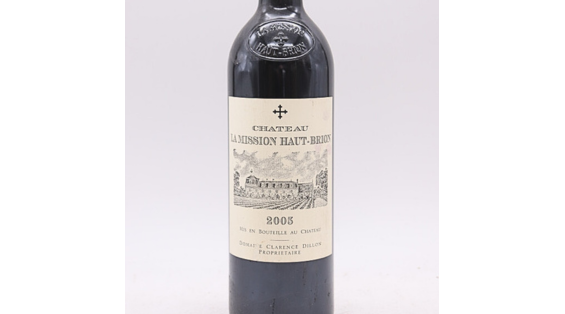
It is an integral part of the identity of the wines of the Médoc. The 1855 classification organises wine properties according to five levels: from premiers crus (the most prestigious) to cinquièmes crus. This initiative was launched on the occasion of the Paris Universal Exhibition in order to establish an official hierarchy highlighting the consistency and quality already recognised at the time.
Acquiring a wine from a grand cru classé of 1855 means banking on expertise passed down through several generations.
The hierarchy of crus in Burgundy: the magic of terroir
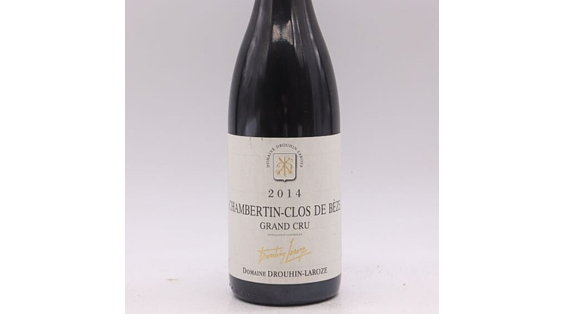
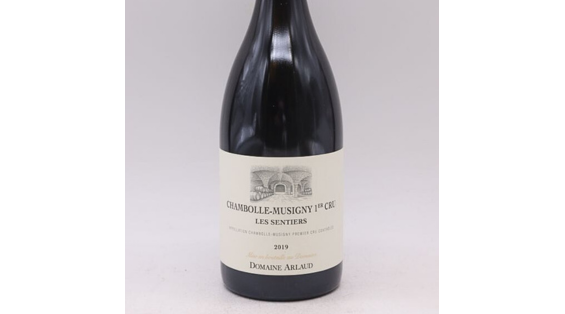
Burgundy wines benefit from a meticulous parcellation, based on the notion of climat (a small vineyard plot). Four main categories are distinguished: Grand Cru, Premier Cru, Village and Regional. The Grands Crus of Burgundy cover barely 1% of the total area, yet concentrate the quintessence of the Burgundian style.
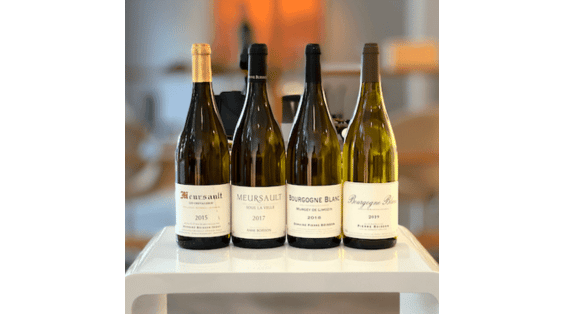
A Meursault Premier Cru reveals a limpid golden colour, aromas of hazelnut and a surprisingly silky texture. The aromatic complexity of the Grands Crus of the Côte de Nuits impresses above all after a few years of ageing. Each layer of the Burgundy classification marks the unique personality of a clos or a hillside celebrated among connoisseurs.
What are the concrete effects of wine classification?
On a daily basis, these systems guide your choices both in restaurants and at the cellar. An appellation d'origine contrôlée reassures on origin; a protected geographical indication on local typicity; a Grand Cru from Burgundy or Bordeaux promises a memorable experience if storage respects the required temperature conditions.
Did you know that even the presentation of bottles varies according to the classification? In the Bordeaux region, classified châteaux generally display a sober, classic label, a symbol of a living heritage. In Burgundy, the name of the climat printed in large letters underscores pride in the terroir. Your eye naturally becomes attuned to these codes, enhancing both sensory pleasure and confidence in the bottle you have chosen.
- AOC: guarantee of a close link to the terroir (Bordeaux, Burgundy, Champagne…)
- IGP/vins de pays: discovery, boldness and expressive plurality
- VDF: the winemaker's space for freedom, with many possible gustatory innovations
- Historical classifications: an effective tool for selecting bottles with high ageing potential
|
Category |
Link to terroir |
Flexibility/Innovation |
Ageing potential |
|
AOC |
Very high |
Limited |
High (especially grands/premiers crus) |
|
IGP / Vins de pays |
Fair |
Good |
Fair to good |
|
VDF |
Low |
Maximum |
Variable |
Frequently asked questions about wine classification
What is the main difference between an Appellation d'Origine Contrôlée (AOC) and a Protected Geographical Indication (IGP)?
The AOC is based on rigorous criteria concerning the terroir, the grape varieties and the methods employed. It ensures the expressiveness of a given region and aims for strict qualitative consistency. By contrast, the IGP, often referred to as "Vin de Pays", offers the winemaker greater freedom. The link to the territory remains, but with wider margins for blending or winemaking techniques.
- AOC = strict legal framework, strong regional identity
- IGP = defined area, but lighter constraints
|
Criterion |
AOC |
IGP |
|
Permitted grape varieties |
Defined |
More varied |
|
Area |
Limited |
More extensive |
What does a 1855 classification really guarantee for Bordeaux wines?
The 1855 classification reflects the historical recognition of a château's quality. Even though it has not changed since its creation, it still signals today a superior ageing capacity and a remarkable consistency over time. For an enthusiast, selecting a grand cru classé from Bordeaux means having the guarantee of a wine capable of evolving with elegance.
- Quick reference for value and seniority
- Selection of trusted estates for investment or sharing on special occasions
What advice is there for storing a wine classified as grand cru or premier cru?
Opt for storage in a dark, well-ventilated cellar, at between 12 and 14°C, with a humidity level of 70%. Make sure to lay the bottles on their sides so that the cork remains in contact with the wine. Patience is essential to allow the aromatic complexity to fully develop.
- Stable and cool temperature
- Absence of direct light
- Bottles laid on their sides
- Humidity control
Why are there so many distinctions in the classification of Burgundy wines?
Burgundy has an exceptional fragmentation of its vineyards: each plot gives rise to a unique wine, marked by infinitesimal nuances of soil, exposure and microclimate. This is why so many gradations exist between grands crus, premiers crus, village or regional appellations. This richness delights collectors in search of new experiences with each vintage.
- Extreme valorisation of terroir
- High number of climates and lieu-dits


COLLECTION NEAR PARIS & VAT REFUND FOR TOURISTS
Free collection in our warehouse near central Paris (92)