
 Personalise your experience



 Sign in
 Cart
0
Cart
0


Best Provence wines: rosés, reds and whites

Best Provence wines: rosés, reds and whites
Provence occupies a unique place in French wine: it is the region that made rosé a gastronomic wine in its own right, respected by international critics and sought after at the world’s finest tables. But to think of Provence only in terms of rosé would be to miss its lesser-known riches: exceptionally age-worthy reds from Bandol, rare mineral whites from Cassis and a hierarchy of Crus Classés that few consumers know about.
This guide covers the appellations of Provence, its benchmark estates across all wine colors, the Crus Classés hierarchy and the best food and wine pairings to help you explore the region beyond summer clichés.
Key takeaways:
- Provence is known worldwide for rosé, which accounts for nearly 90% of its production, but the region also makes structured reds and characterful whites that are too often overlooked.
- Three AOCs account for most production: Côtes de Provence (the largest), Coteaux d’Aix-en-Provence and Coteaux Varois en Provence. The much smaller Bandol appellation is the benchmark for age-worthy Mourvèdre-based reds.
- Established in 1955, the Provence Crus Classés classification recognized 23 estates in the Côtes de Provence appellation; 18 still claim the designation today, a hierarchy little known to the general public.
- Benchmark estates include Château Minuty, Domaines Ott and Château d’Esclans (Whispering Angel) for rosé; Domaine Tempier and Château de Pibarnon in Bandol; Domaine de Trévallon in the Alpilles; and Château Simone in Palette.
- Contrary to popular belief, a good Provence rosé does not have to be drunk in its first year: premium cuvées benefit from being enjoyed 2 to 4 years after harvest.
Provence: much more than a rosé region
One of France’s oldest wine regions
Winemaking in Provence dates back to antiquity: introduced by Greek settlers who arrived in Marseille around 600 BC and later developed by the Romans, it makes the region one of the historic cradles of wine in France, long predating both Bordeaux and Burgundy. This history helps explain the diversity of grape varieties and styles that survive today, despite rosé’s commercial dominance.
Why is rosé so dominant?
The Mediterranean climate, hot, dry summers and booming international demand since the 2000s have gradually shifted almost all production toward rosé, which now accounts for around 90% of wine produced in Provence. This commercial success, driven by brands with global reach such as Whispering Angel, has made Provence the world’s benchmark region for appellation rosé. It alone accounts for around 40% of French rosé production, while France produces nearly a third of the world’s rosé.
Provence rosé is neither a second-choice wine nor just a summer drink: the best cuvées rival with fine white wines in complexity and price, and some cost more than 50 euros a bottle.
Provence appellations: geography and styles
The region has several AOCs with distinctly different characters, worth knowing if you want to look beyond generic rosé when choosing a wine.
|
Appellation |
Terroir and distinctive features |
Predominant style |
|
Côtes de Provence |
The largest (approx. 20,000 ha), with 5 geographic designations |
Pale, elegant rosés, plus some reds and whites |
|
Coteaux d’Aix-en-Provence |
Around Aix, varied soils |
Fruity rosés, supple reds (Grenache, Syrah, Cabernet Sauvignon) |
|
Bandol |
Small coastal AOC (approx. 1,600 ha), with vines on terraces |
Powerful Mourvèdre reds with exceptional aging potential |
|
Coteaux Varois en Provence |
Cooler area at higher altitude |
Lively, fresh rosés and light reds |
|
Cassis |
Small coastal appellation |
Renowned, rare and sought-after mineral whites |
|
Palette |
One of France’s smallest AOCs, near Aix |
Highly complex reds and whites, produced in very small quantities |
|
Les Baux-de-Provence |
At the foot of the Alpilles, a stronghold of organic farming |
Structured reds (Syrah, Grenache); a few IGP Alpilles cuvées outside the AOC |
Côtes de Provence: the largest and most emblematic
The region’s largest appellation has five additional geographic designations with distinctly different profiles: Cru Sainte-Victoire (cooler, at higher altitude), Fréjus (volcanic soils), La Londe (near the sea, with more sun exposure), Pierrefeu and Notre-Dame des Anges. This is where all the Crus Classés and the major premium rosé brands are concentrated.
Bandol: the heartland of Mourvèdre
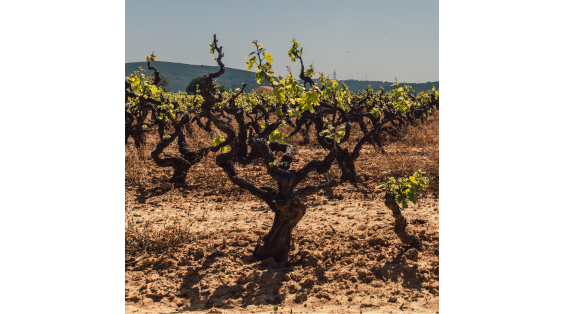
Bandol is the exception to the Provençal rule: this small coastal appellation produces powerful reds with exceptional aging potential from a blend dominated by Mourvèdre, which must make up at least 50% under the appellation rules. The vines grow on south-facing restanques (terraces). The best Bandol reds can age for 15 to 20 years, an exceptional lifespan for the region.
Cassis and Palette: little-known micro-appellations
Cassis, a small coastal appellation between Marseille and La Ciotat, is known for its mineral whites, often considered the best white wines in Provence. Even smaller Palette, at around 50 hectares, is largely dominated by Château Simone, which farms nearly half its area. It produces remarkably rare and complex reds and whites that remain little known to the general public.
The Provence Crus Classés classification
Established in 1955, this classification, far less known than Bordeaux’s 1855 classification, recognized 23 exceptional estates in the Côtes de Provence appellation, selected from the roughly 300 properties at the time. Only 18 still claim the designation; the other five have disappeared. Unlike Bordeaux’s, this classification has never been revised since its creation, making it a snapshot of the Provençal hierarchy from more than seventy years ago.
Among the best-known Crus Classés are Château de Selle and Clos Mireille (Domaines Ott), Château Sainte-Roseline, Château Minuty and Domaine du Noyer. One point is worth clarifying: the “Cru Classé” designation recognizes an estate’s historical standing and reputation, not a level of quality periodically reassessed. In Provence, it can also appear on all of a property’s cuvées, including second wines. It is therefore a useful indicator of terroir, not a guarantee of how the wine will taste, and it does not necessarily mean a prohibitive price.
The best Provence estates across all wine colors
Beyond the major commercial brands familiar to the public, several estates stand out for their commitment to quality in rosé, red and white wines alike.
|
Estate |
Signature cuvée(s) |
Style and key strength |
|
Domaines Ott |
Château de Selle / Clos Mireille |
A historic pioneer of gastronomic rosé, with a refined, mineral style and a distinctive bottle inspired by ancient amphorae. Owned by the Louis Roederer group since 2004. |
|
Château Minuty |
Prestige Rosé / 281 |
A Cru Classé and global benchmark for premium rosé, widely found in luxury hotels and on yachts along the French Riviera; majority-owned by LVMH since 2023. |
|
Whispering Angel / Garrus |
Sacha Lichine revolutionized the international premium rosé market with his cuvées; Moët Hennessy (LVMH) has held a majority stake in the estate since 2019. |
|
|
Domaine Tempier |
Bandol red / La Tourtine |
The definitive Bandol benchmark, with exceptionally age-worthy Mourvèdre; a cult estate among wine lovers. |
|
Bandol red / Nuances |
High-altitude Bandol (300 m) on blue marl, with up to 90% Mourvèdre; age-worthy reds with rare freshness for this climate. |
|
|
Trévallon red and white |
Equal parts Cabernet Sauvignon and Syrah in the Alpilles, under IGP Alpilles rather than an AOC; organically farmed since 1973, a cult wine with exceptional aging potential. |
|
|
Palette red and white |
An emblematic estate of the Palette appellation, farming nearly half its vineyard area; wines of exceptional rarity and complexity. |
Domaines Ott: pioneers of gastronomic rosé
Having settled in Provence in 1896, Marcel Ott acquired Château de Selle there in 1912, the first of the house’s three estates. Domaines Ott were among the first to show that rosé could be a serious gastronomic wine rather than simply a beach wine. Their distinctive amphora-shaped bottle, designed by René Ott in the 1930s, and their Château de Selle and Clos Mireille cuvées remain definitive examples of the elegant Provençal style.
Château d’Esclans: the premium rosé revolution
Sacha Lichine transformed the global rosé market by launching Whispering Angel in 2006. It has since become one of the world’s best-selling rosés. He then launched his prestige cuvée Garrus, priced at around €100 a bottle, putting it on a par with fine white wines. Since 2019, Moët Hennessy (LVMH) has held a majority stake in the estate. This success has done much to raise the international profile of Provence wines.
Domaine Tempier: the benchmark for Bandol reds
For lovers of age-worthy reds, Domaine Tempier has been Bandol’s undisputed benchmark for decades. Its Mourvèdre-dominant cuvées, such as La Tourtine and Cabassaou, offer complexity and aging potential rarely found among Mediterranean wines.
Château de Pibarnon: Bandol’s other great name
On the heights of La Cadière-d’Azur, Château de Pibarnon spans some 50 hectares in an amphitheater at an altitude of 300 meters, facing the sea. Founded in 1978 by Henri de Saint Victor and run by his son Éric since 2000, the estate takes the appellation’s approach to an extreme: its main cuvée contains up to 90% Mourvèdre, grown on blue marl that brings unusual freshness in this climate. A more ethereal Bandol than Tempier’s, but just as well suited to aging.
Domaine de Trévallon: the Alpilles’ maverick
Domaine de Trévallon is the quintessential Provençal exception. On the northern slopes of the Alpilles, Éloi Dürrbach planted a vineyard in 1973 with equal parts Cabernet Sauvignon and Syrah, a blend that the later-created AOC Les Baux-de-Provence would limit to 20% Cabernet. Rather than change its wines, the estate chose to remain outside the appellation and has used the IGP Alpilles designation since 2009. Organically farmed from the outset and taken over by Ostiane and Antoine Dürrbach after Éloi’s death in 2021, Trévallon makes one of the few Provence wines that demands ten to fifteen years in the cellar—and rewards the wait.
Rosé, red or white: which style suits the occasion?
Rosé: versatility and freshness
Pale, dry Provence rosé is the most versatile choice for an aperitif or a light summer meal. Premium cuvées (the Crus Classés or Garrus from Château d’Esclans) offer complexity far beyond the image of a simple poolside wine.
Red wine: a discovery for lovers of age-worthy wines
Despite the region’s prevailing image, Provence also makes reds of real depth, capable of rivaling France’s great age-worthy appellations. Bandol is where you will find these wines: made predominantly from Mourvèdre grown on limestone terraces overlooking the sea, they develop firm tannins and aromas of black fruit, garrigue and pepper, followed with age by forest floor and leather—qualities that can stand alongside the great wines of the Rhône or Bordeaux.
Beyond Bandol, two other areas are worth exploring: Palette, home to the rare, complex reds of Château Simone, and the Alpilles, where Domaine de Trévallon makes a cult Cabernet-Syrah outside the appellation. The more supple reds of Coteaux d’Aix-en-Provence offer an accessible starting point.
White wine: a little-known discovery
Though little known, the whites of Cassis and Palette offer remarkable mineral character, particularly alongside Mediterranean fish and bouillabaisse. Their relative rarity makes them rewarding discoveries for curious wine lovers.
Should Provence rosé be drunk young, or can it be aged?
Contrary to the common belief that all rosé should be drunk within a year of harvest, Provence’s premium and Cru Classé cuvées benefit from being enjoyed within a 2-to-4-year window. These wines, often made with more structure and sometimes lightly aged before release, develop complexity beyond the immediate freshness of entry-level rosés.
Food and wine pairings with Provence wines
Mediterranean cuisine, with its herbs, fish and sun-ripened vegetables, pairs remarkably naturally with Provence wines.
|
Dish |
Recommended style |
Specific examples |
|
Bouillabaisse and Mediterranean fish |
Structured Provence rosé or Cassis white |
Château de Selle (Domaines Ott), Cassis whites |
|
Ratatouille and grilled vegetables |
Pale, dry rosé |
Classic Côtes de Provence |
|
Grilled food and summer barbecues |
Characterful, fuller-bodied rosé or light red |
Bandol rosé, Coteaux d’Aix red |
|
Provençal beef stew |
Structured Bandol red |
Domaine Tempier, Château de Pibarnon |
|
Tapenade and Mediterranean appetizers |
Lively, fresh rosé |
Coteaux Varois en Provence |
|
Sisteron lamb |
Bandol or Palette red |
Château Simone red, Domaine de Trévallon |
|
Provençal goat cheeses |
Cassis white or structured rosé |
Cassis whites, Château de Selle (Domaines Ott) |
Frequently asked questions about Provence wines
What are the best Provence wines?
For rosé, Château Minuty and Domaines Ott (Château de Selle, Clos Mireille) set the standard, alongside prestige cuvées such as Garrus (Château d’Esclans). For reds, Domaine Tempier and Château de Pibarnon in Bandol are the safest choices, along with Domaine de Trévallon in the Alpilles. For whites, the best Cassis cuvées and the exceptionally rare Château Simone in Palette lead the way.
Which Provence estates are Crus Classés?
The 1955 classification recognized 23 estates in the Côtes de Provence appellation; 18 still claim the designation, including Château Sainte-Roseline, Château de Selle, Château Minuty and Domaine du Noyer. Unlike the Bordeaux classification, it has never been revised since its creation and is based more on historical standing than on regular assessments of quality.
Which wine made Provence famous?
Rosé, without question. It accounts for around 90% of regional production and has made Provence the world’s benchmark region for appellation rosé, with brands such as Whispering Angel achieving international renown.
What is a good Provence red wine?
Bandol reds, made primarily from Mourvèdre, set the benchmark. Domaine Tempier and Château de Pibarnon are its best-known names, with aging potential of 15 to 20 years that contrasts sharply with the region’s reputation for wines meant to be drunk young. Outside the appellation, Domaine de Trévallon (IGP Alpilles) offers a cult alternative based on Cabernet Sauvignon and Syrah.
Can Provence rosé be aged?
Entry-level rosés are generally drunk within a year. Premium and Cru Classé cuvées, by contrast, benefit from being enjoyed 2 to 4 years after harvest, during which time they develop added complexity.
In summary: 5 keys to choosing a Provence wine
1. Look beyond Provence rosé: Bandol reds and Cassis whites are well worth exploring.
2. Look for the Cru Classé designation: it signals terroir and historical reputation without necessarily commanding a prohibitive price, but it is never a substitute for tasting the wine.
3. Explore Bandol and the Alpilles for wines to age: the Mourvèdre wines of Tempier and Pibarnon, like Trévallon’s Cabernet-Syrah, offer remarkable aging potential that remains little known to the general public.
4. Don’t automatically drink rosé within its first year: premium cuvées benefit from 2 to 4 years of aging.
5. Pair by color: rosé for versatility, Bandol red for stews and lamb, and Cassis white for Mediterranean fish.


COLLECTION NEAR PARIS & VAT REFUND FOR TOURISTS
Free collection in our warehouse near central Paris (92)