Tasting a Grand Cru Classé de Margaux: an immersion into excellence
Nothing equals the refinement of a wine tasting when it involves a Grand Cru Classé de Margaux. Expressive and distinguished, this celebrated appellation on the left bank of Bordeaux offers a singular sensory experience. For every discerning enthusiast, every detail matters: the choice of setting, the mastery of gestures, the quality of the service. Let us discover together the essential steps to appreciate this jewel of the Médoc in all its subtlety.
Understanding the terroir and history of the Margaux vineyard
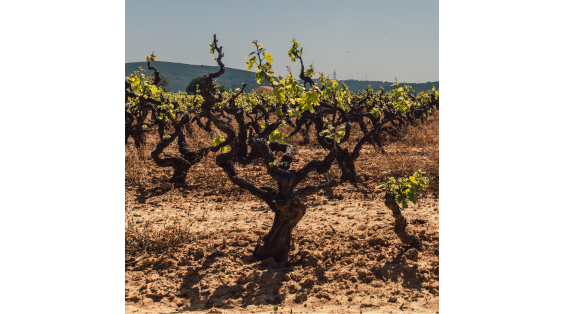
The Margaux appellation owes nothing to chance. It extends across one of the finest gravel ridges in the Médoc. The stony, well-drained soil, combined with a temperate climate moderated by the proximity of the Gironde, shapes the personality of these grands crus classés. Here, Cabernet Sauvignon, Merlot and Cabernet Franc coexist harmoniously. This marriage gives birth to wines renowned for their finesse and aromatic complexity.
The history of the Margaux vineyard dates back to the Middle Ages. Since the official classification of 1855, the name Margaux has been synonymous with elegance. It is here that the first grands crus classés came into being. Tasting a Grand Cru Classé de Margaux means perpetuating a centuries-old tradition in which each vintage tells a different story, shaped by the terroir and local expertise.
Preparing for a wine tasting: conditions, service and appropriate glasses
How to choose the right vintage for an optimal tasting?
The notion of vintage plays a fundamental role in discovering the Margaux appellation. A young vintage often reveals vivid floral and fruity notes, but may lack the roundness and silky tannins associated with maturity. Tasting a bottle aged ten years or more, on the other hand, gives access to a palette of complex aromas: leather, truffle, blonde tobacco, dark fruits and undergrowth.
The choice depends on the context. For a tasting workshop or a château visit, it is captivating to compare several vintages of grands crus classés. This approach highlights the influence of the climate, as well as the expertise of the cellar master. You will then perceive the nuances specific to each year.
What are the secrets of the perfect service?
A Grand Cru Classé de Margaux calls for meticulous presentation. Check the temperature: at around 17–18 °C, the wine fully expresses its complexity. Favour aeration in a decanter for young vintages: these cuvées benefit from exposure to air in order to reveal their primary aromas. For older vintages, on the other hand, do not hesitate to simply decant them — that is, to gently pour the contents of the bottle into a decanter just before serving. The purpose is to separate the sediment, without destroying or dissipating the fragile and subtle aromas of old wines.
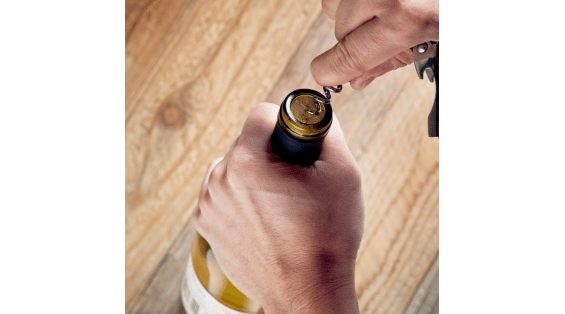
Always use tulip-shaped glasses, slightly narrowed at the top. This curve retains and concentrates the complex aromas that are essential during a wine tasting. During a château visit, observe how sommeliers delicately uncork the bottle, thus respecting the fragility of the precious liquid.
The art of tasting step by step: admiring, smelling, tasting
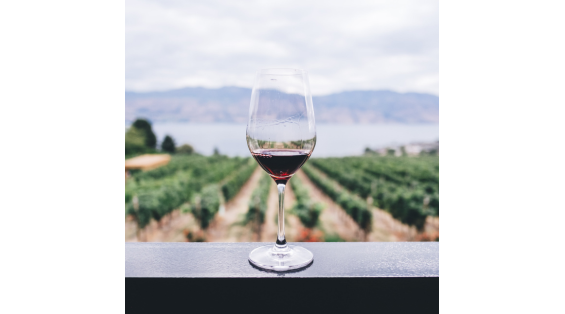
Facing the glass, every sense comes into play. Begin by observing the robe. Margaux wines often display a deep ruby colour with violet reflections in their youth, then tawny at the rim as they age. Their clarity bears witness to careful winemaking and precise ageing.
On the nose, take the time to discover the complex aromas. Notes of ripe red fruits are sometimes accompanied by blackcurrant, violet and, with the years, spiced touches, precious wood or Havana cigar are added. This bouquet evolves with aeration and deserves several olfactory returns to grasp its full richness.
What should you look for on the palate when tasting a Grand Cru Classé de Margaux?
The first contact reveals the attack: soft, satiny or immediately marked by the tannins depending on the vintage. The palate then unfolds with a beautiful structure. The tannins are supple yet persistent, carrying freshness and energy. Notes of liquorice, a mineral edge and sometimes cedar flavours complete the gustatory composition.
The finish is the hallmark of a great cru. Long and lingering, it prolongs the emotion through a remarkable aromatic persistence. One readily speaks of a "peacock's tail" to describe this ample, blossoming sensation that persists after the sip — the signature of the finest Margaux wines.
What food and wine pairings should be favoured with a Grand Cru Classé de Margaux?
A Grand Cru Classé de Margaux pairs magnificently with fine meats: roast lamb, beef fillet or duck with chanterelles. Unlock its potential with a flavoursome cuisine, sufficiently delicate to respect the nuances of the terroir. Dare also to explore harmony with certain aged hard cheeses or sophisticated vegetarian dishes based on mushrooms or root vegetables.
Some enthusiasts prefer the purity of a solo tasting, during a tasting workshop, to capture the full subtlety of the chosen vintage. Whatever the approach, the key remains attentive listening to the wine and the shared moment.
- Choosing a vintage to match the occasion
- Ensure the correct serving temperature: 17–18 °C
- Use appropriate glasses, "tulip" shape
- Favour subtle food and wine pairings
- Aerate older bottles generously
Going further during a château visit or a tasting workshop
Immersing yourself in the world of a Grand Cru Classé de Margaux takes on its full meaning during a château visit. Meeting the winemakers, walking through the iconic plots and appreciating the diversity of the terroir enriches your experience. Some estates also offer tasting workshops, conducive to refining your knowledge and comparing different vintages or ageing styles.
Discover the importance of winemaking and blending choices during these encounters. Understanding how each step shapes the future of the wine adds a new dimension to the tasting experience. Bear in mind that discovering the Margaux appellation is not limited to the bottle itself, but encompasses an entire living heritage, passed down from generation to generation.
Tasting stage
|
Sense engaged
|
What to look for
|
Robe
|
Sight
|
Colour, brilliance, intensity
|
Nose
|
Smell
|
Complex aromas, evolution and intensity
|
Palate
|
Taste
|
Balance, structure, length, tannins
|
Frequently asked questions about tasting the grands crus classés de Margaux
How to recognise a Grand Cru Classé de Margaux by sight?
- An intense robe, generally deep ruby, vibrant in young wines.
- Tawny reflections appear with ageing, especially at the rim of the disc.
- Clarity and brilliance often signal a well-mastered ageing process.
Careful observation of the hue and density provides information about the dominant grape variety and the age of the wine.
What is the main difference between young and old vintages in this appellation?
A young vintage presents very fruity aromas (red fruits, violet), with tannins that are present yet elegant. A mature vintage develops tertiary flavours over time: leather, undergrowth, truffle. The palate then becomes even rounder, and the finish gains in length and refinement. A comparative table:
Young vintage
|
Mature vintage
|
Fresh fruit, vivacity, firm tannins
|
Evolved aromas, silky texture, great length
|
Why does participating in a château visit enhance the tasting experience?
- Helps to understand the link between terroir and the typicity of the wine.
- Encourages direct exchange with producers and oenologists.
- Provides access to themed tasting workshops.
This makes discovering the Margaux appellation more immersive and authentic. You can thus compare different vintages as close as possible to the place of production.
What precautions should be taken when storing a Grand Cru Classé before tasting?
- Store bottles on their side to preserve the cork.
- Maintain a stable temperature, ideally between 12 and 15°C.
- Ensure the absence of vibration and maintain controlled humidity levels.
A suitable cellar guarantees the preservation of the complex aromas and qualities of the Grand Cru Classé right up to the day of tasting.

 Personalise your experience