
 Personalise your experience




 Sign in
 Cart
0
Cart
0


What wine should you drink with beef Wellington?

Which wine with beef Wellington: selecting the best bottle to elevate this dish
Beef Wellington fascinates with its richness and refinement. Between the melt-in-the-mouth beef fillet, the golden pastry and the fragrant mushroom duxelles, the question of food and wine pairing takes on its full importance. Choosing the right red wine transforms the meal into an unforgettable experience, with each sip revealing a new facet of the dish.
The essential criteria for a successful pairing with beef Wellington
Finding the ideal wine to go with beef Wellington is first and foremost about understanding the balance of the dish. The tender meat contrasts with the crispy texture of the pastry, while the aromas of the mushrooms blend with the foie gras and fresh herbs. This invites you to opt for elegant wines with enough structure to support the aromatic palette, but without overpowering the subtlety of the meat.
A wine that is too light risks being forgotten, while a powerful and structured wine could dominate, masking finesse and nuance. The challenge lies in this delicate balance between power, freshness and length on the palate.
Bordeaux, Burgundy or Rhône: which wine style to choose for a perfect harmony?
The great French wine regions abound in treasures to accompany this gastronomic monument. Each offers different profiles, suited to your preferences and the version of the dish being served, whether classic or revisited.
The selection of a red wine will depend on your affinity for powerful wines, refined wines or vintages with a pronounced structure. Here is how to guide your choice.
Why favor a Bordeaux wine?
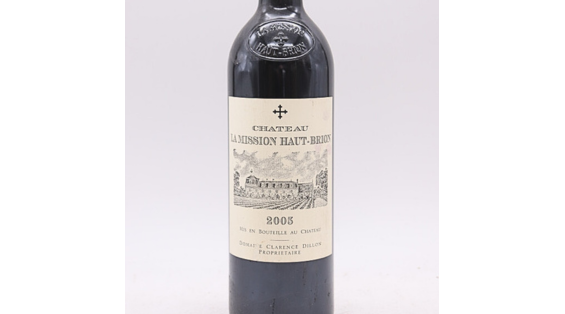
In the Bordeaux region, you will find red wines combining power and elegance, thanks to the blending of Merlot and Cabernet Sauvignon grape varieties. Appellations such as Saint-Émilion or Pomerol offer vintages where the roundness of the fruit and the suppleness of the tannins accompany the tenderness of the beef fillet — this suppleness being linked to the dominant Merlot on the Right Bank of Bordeaux. Their silky texture does not overwhelm the flavor of the pastry, while highlighting that of the duxelles.
Choose an already mellowed vintage whose tannins have integrated, so as to enhance the tender texture of the meat without adding bitterness. For those seeking character, a Médoc such as a Margaux, or a Graves such as a structured Pessac-Léognan proves rewarding, provided you pay attention to their maturity.
The discreet charm of Burgundy reds
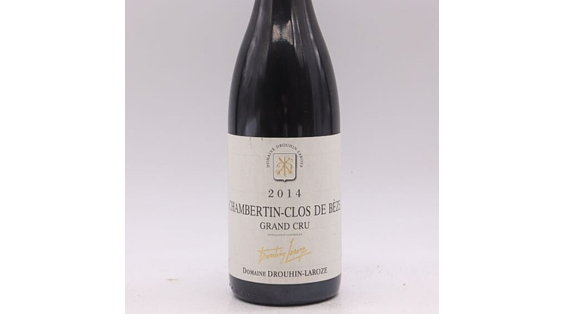
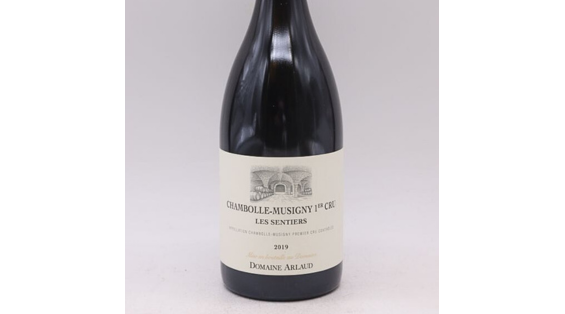
Burgundy, and particularly the refined Pinot Noirs of the Côte de Nuits, offers a seductive alternative. Their ruby color and complex aromas of red fruits, undergrowth and spiced notes beautifully prolong the delicacy of the dish. No heaviness or excessive oakiness here. A Gevrey-Chambertin from Sylvie Esmonin, a Nuits-Saint-Georges or a Volnay will each showcase the melt-in-the-mouth quality of the beef while respecting the richness of the duxelles.
To achieve a perfect balance, favor refined and evolved wines with a beautiful length on the palate, signaling the optimal aging of the finest bottles. Few pairings are as harmonious as those between these great Burgundian reds and classic beef Wellington.
Dare to explore Rhône wines, between power and generosity
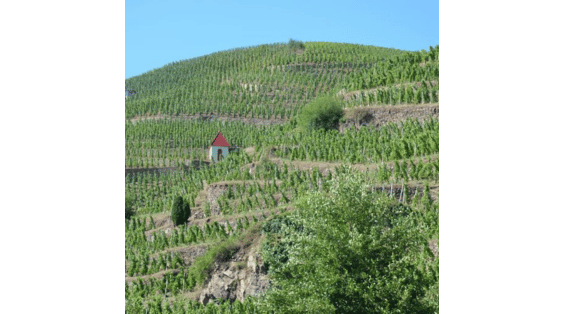
Some enthusiasts opt for the refined Syrahs of the Northern Rhône Valley, such as Côte-Rôtie or Hermitage. These powerful wines, often structured but never heavy, unfold notes of violet, pepper and black fruits. Their broad palate embraces the musky flavor of the duxelles, while their freshness balances the butter of the pastry.
On the Southern Rhône side, a bottle from Domaine des Tours, young or at full maturity, brings the necessary density without overwhelming the palate. These pairings are particularly recommended when your recipe includes a hint of truffle or spices in the preparation of beef Wellington.
The art of service: practical tips for making the most of your pairing
A successful food and wine pairing relies on a few simple tips to apply at the time of service. Be sure to open the bottle one to two hours before the start of the meal, especially if you are choosing an older vintage. This encourages the expression of the nose and the suppleness of the tannins on the palate.
Bring your red wine to around 16–18°C, the ideal temperature to enhance the aromas without accentuating the alcohol. Serve in large glasses — "Burgundy" or "Bordeaux" style — to allow the complexity of the bouquet to fully open up. If the opportunity arises, compare different styles with the same dish for a more playful tasting experience.
- Open the bottle in advance: ideally 1 to 2 hours ahead
- Check the serving temperature and adjust if necessary
- Use appropriate glasses — wide and slightly tapered
- Sip slowly to appreciate the evolution of the wine with each bite
Alternative food and wine pairings: daring to go off the beaten track
Fancy stepping outside the classics of Bordeaux or Burgundy? Some lesser-expected French or international wines can pleasantly surprise. Consider a mature Cabernet Franc from the Loire, with its freshness and notes of black berries that dialogue with the beef. An unoaked Gamay cru from Beaujolais, supple and fruity, also slips nicely into the exercise for summery occasions, especially with vegetarian variations of Wellington.
For those who enjoy adventurous experiences, some rich whites such as a ripe Burgundy Chardonnay (Meursault, Puligny-Montrachet) reveal a broad palate, combining buttery, hazelnut and mineral length. The mushroom duxelles as well as the buttery and nutty notes create the perfect bridge with the Meursault or the Puligny. They thus evoke the lightness of the pastry, creating an original counterpoint to the strength of the beef.
Wine type |
Characteristics |
Effect on the pairing |
Bordeaux (Saint-Émilion, Pomerol) |
Moderate power, ripe tannins, aromas of black fruits |
Supports the texture and highlights the richness of the dish |
Burgundy (Pinot Noir) |
Finesse, acidity, aromas of red fruits and undergrowth |
Combines elegance, freshness and respect for the flavor of the beef |
Côtes-du-Rhône (Syrah) |
Structure, intensity, spiced and floral notes |
Awakens the aromas of the duxelles and the pastry |
Loire (Cabernet Franc) |
Lightness, vivacity, berry aromas |
Brings freshness, extends the vegetal side of the dish |
Frequently asked questions about red wine and beef Wellington pairings
Which wines should you avoid with beef Wellington?
- Avoid very young tannic wines (a recent Pauillac, for example), as their astringency overpowers the tenderness of the dish.
- Limit oaky and alcoholic wines — they weigh down the tasting experience.
- Always prioritize harmony, so forget rustic or harsh reds.
In summary, look for vintages with integrated tannins, freshness and complex aromatics, without an excess of new oak.
Is it possible to serve a white wine with beef Wellington?
Yes, especially if you love gastronomic whites: choose an evolved Burgundian Chardonnay, broad and restrained on the oak. A mature Meursault or a great Auxerrois reveals a beautiful alliance with the flaky crust and the duxelles.
- Opt for a dry white, sufficiently powerful and low in acidity.
- Avoid lively or overly aromatic whites based on Sauvignon Blanc.
This option is appealing when the Wellington recipe features more foie gras or mushrooms.
How long should you decant a red wine before serving beef Wellington?
Allow between 1 and 2 hours for a large bottle of Bordeaux or Rhône Syrah. For a Burgundian Pinot Noir, a simple 30-minute decant is enough to open up the bouquet. Feel free to taste during aeration to adjust the time according to the wine's maturity.
- Young and full-bodied bottles: up to 2 hours
- Old or delicate bottles: enjoy from the moment of opening
The goal is to soften the tannins and release the aromas without tiring the wine.
Can you pair a foreign wine with beef Wellington?
The pairing is not reserved for French wines. Try a Chianti Classico or a Brunello di Montalcino for their acidity and earthy notes. An Oregon Pinot Noir or a ripe Californian Cabernet can also hold its own against the complexity of the dish, provided you stick to elegant profiles and well-polished tannins.
Origin |
Grape variety |
Character |
Tuscany |
Sangiovese |
Freshness, gentle spices, finesse |
California |
Cabernet Sauvignon |
Concentration, round tannins, notes of blackcurrant |
Oregon |
Pinot Noir |
Delicacy, black cherry, spices |


COLLECTION NEAR PARIS & VAT REFUND FOR TOURISTS
Free collection in our warehouse near central Paris (92)