
 Personalise your experience




 Sign in
 Cart
0
Cart
0


Which wine to choose with duck breast?

What wine should you serve with duck breast?
Duck breast often means the pleasure of sharing a delicious meal. Its tender, juicy flesh, still slightly pink in the center, appeals to many food lovers. That leaves one important question at the table: what wine should you serve to bring out the best in this emblematic dish of Southwest French cuisine? There’s a wonderful variety of possible pairings to suit your tastes, the cooking method or your chosen sauce. Let’s explore how to choose the ideal companion for your duck breast and make the meal unforgettable.
Key takeaways:
- Structured red wines to bring out the best in duck breast: Cahors, Madiran or Saint-Émilion offer power and balanced tannins to complement the richness of the pink-centered meat.
- Fruity, elegant reds: Burgundy Pinot Noir, Beaujolais Gamay or Côtes-du-Rhône Villages bring lightness and finesse, ideal with grilled duck breast or a red-berry sauce.
- Medium-sweet or sweet white wines: Sauternes, Jurançon or Loupiac offer a surprising sweet-and-savory contrast with fruit sauces or compotes. Serve cool, at 8–10 °C.
- Match the wine to the sauce and accompaniments: rich sauces → powerful reds; fruit sauces → rounded reds or sweet whites; Asian-inspired dishes → aromatic whites or wines with a little residual sugar (Pinot Gris, Gewurztraminer)
- Ideal serving temperatures: powerful reds at 16–18 °C, lighter reds at 15–16 °C and medium-sweet whites at 8–10 °C; open reds 30 minutes beforehand to let them breathe and reveal their aromas.
Which broad styles of red wine should you choose with duck breast?
Pairing duck breast with red wine brings out the full power of both the dish and the wine. But each region adds a different dimension to the tasting experience. Some offer powerful, full-bodied wines, perfect for balancing the richness of the duck. Others favor fruitier, more inviting reds that add a touch of freshness or highlight the meat’s tenderness.
Duck breast pairs particularly well with great red wines from historic wine regions. Several options are worth exploring, from classic Bordeaux wines to those of Southwest France, as well as delicate Burgundy reds and generous cuvées from the Rhône Valley.
Wines of Southwest France: natural partners
From the same region as duck breast itself, Southwest France’s wines make almost natural partners. A Cahors, with intense dark-fruit aromas, has pronounced yet integrated tannins that balance the texture of grilled or pan-seared duck remarkably well. These regional pairings bring a certain authenticity. Imagine sharing duck breast with a Madiran showing notes of blackcurrant and sweet spices on a winter evening: it’s a memory that will stay with you.
Other appellations, such as Côtes de Gascogne, also offer charming reds that are less robust than Cahors, but have velvety tannins and a silky palate. These alternatives also work well if you serve the duck breast with a fruit sauce (figs or red berries).
Bordeaux and the Rhône Valley: intensity and elegance
Duck breast is also at home alongside a fine red wine from Bordeaux. Try a Merlot-based Saint-Émilion or Pomerol: their deep color hints at prune, cedar and cocoa flavors that complement the meat’s sweetness and the concentrated flavors of a reduced wine sauce. Young or moderately aged Bordeaux wines bring out the best in duck breast served pink or just seared in a pan.
Rhône Valley wines are also appealing. A Crozes-Hermitage, with its spicy Syrah aromas, complements the duck breast’s smoky notes, while a Châteauneuf-du-Pape gives the pairing breadth and fine structure. For a bolder recipe (marinated duck breast or pepper sauce), don’t hesitate to explore more full-bodied cuvées that are rich and expressive.
When should you choose fruity, easy-drinking reds?
Some wine lovers prefer the roundness and liveliness of fruity, easy-drinking wines to lighten the overall impression of the dish. This choice works well when the duck breast is gently cooked or prepared with sweet-and-savory flavors, particularly with cherry, orange or honey accompaniments.
Here, look to Burgundies made predominantly from Pinot Noir or to Beaujolais wines. Their delicate candied-cherry nose, light palate and supple tannins create subtle harmony without overwhelming the duck. A Beaujolais or an Irancy is a delight at a spring lunch on a shaded terrace, where good company matters more than a show of strength.
- Burgundy Pinot Noir: finesse and elegance, a nose of small red berries and a refreshing palate.
- Beaujolais Gamay: a lively opening and light floral notes, suitable with cold duck breast or duck breast salad.
- Côtes-du-Rhône Villages: ripe fruit, hints of spice and subtle tannins that lend freshness.
It’s best to avoid wines that are too light with grilled duck breast, or the pairing may lack balance. Instead, choose a young, vibrant red with enough body to stand up to the dish’s natural richness.
Why not try medium-sweet and sweet white wines with duck breast?
Far from being reserved for foie gras, some medium-sweet or sweet white wines are surprisingly good with duck breast, especially when it’s served with a fruit sauce or a spiced fruit compote. The contrast between the wine’s sweetness and the duck’s meaty character creates a particularly refined pairing on the palate.
- Sauternes: a broad palate and a finish of dried apricot and honey (in a Sauternes with some age), accentuating the caramelized notes of roast duck breast.
- Medium-sweet Jurançon: an exotic touch, with mango and pineapple aromas, ideal with peach-glazed duck breast.
- Loupiac or Monbazillac: white-flower aromas, a hint of citrus zest and a superb pairing with duck breast and citrus sauce.
Serve these wines cool but not ice-cold, at 8–10 °C, to reveal their full aromatic complexity without muting the fruit or overemphasizing the sweetness. Medium-sweet or sweet white wines also have a place when the meal plays on sweet-and-savory contrasts typical of modern cuisine.
Tips for pairing and enjoying duck breast with wine
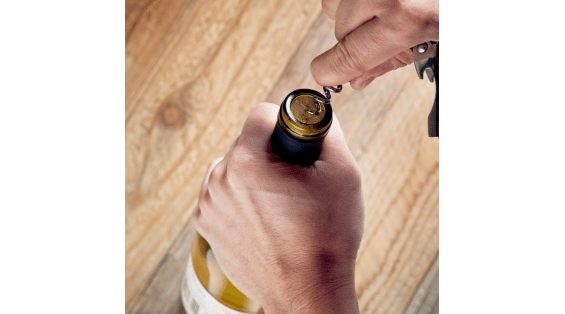
Creating the perfect pairing between your duck breast and chosen wine starts with a few simple steps. First, adjust the wine’s serving temperature: a powerful red opens up at around 16–18 °C, while a medium-sweet white shows best at 8–10 °C. Be sure to open the red wine well in advance so it can breathe and reveal its full range of aromas. A young Cahors or Madiran, in particular, deserves several hours in a decanter.
Remember to adjust the wine’s intensity to suit the accompaniments. The more assertive or spicy the sauce, the more robust the wine should be. Conversely, if the duck breast is paired with a light purée or seasonal salad, choose livelier, more delicate reds.
|
Wine type |
Dish style |
Recommended temperature |
|
Cahors / Madiran (Southwest France) |
Duck breast with wine sauce |
16–17 °C |
|
Burgundy Pinot Noir |
Simply grilled duck breast |
15–16 °C |
|
Sauternes / Jurançon |
Duck breast with an exotic fruit sauce |
10 °C |
|
Côtes-du-Rhône |
Spiced duck breast |
17–18 °C |
If you enjoy keeping fine bottles, store them in cool cellars free from vibration. A well-prepared duck breast deserves a wine that has retained its full flavor potential. Invite your friends to compare two styles of red wine with the same dish, and let everyone share their preference. It will make the occasion even more convivial and educational.
Frequently asked questions about pairing duck breast with wine
Can you pair duck breast with white wine?
White wine can accompany duck breast, especially if it’s medium-sweet or sweet, such as Sauternes or a sweet Jurançon. Acidity and sweetness provide an appealing contrast to the meat’s richness, particularly when it’s served with a sweet or fruit sauce. A red is generally preferred for classic recipes, but trying a medium-sweet white adds an original touch.
- Choose a medium-sweet white, served not too cold
- Choose this option especially with sweet accompaniments
What are the best red wines with duck breast?
Structured, full-bodied reds such as Cahors, Madiran or Saint-Émilion pair perfectly. If you’re looking for more finesse, a Burgundy Pinot Noir or Beaujolais Gamay will fit the bill. You could also explore southern appellations such as Côtes-du-Rhône Villages or Châteauneuf-du-Pape.
- Cahors: power, noticeable tannins, a connection to the local terroir
- Bordeaux: structure, dark fruit
- Red Burgundy: elegance, subtlety
How should you choose a wine to suit the duck breast’s sauce?
For a wine or pepper sauce, choose a powerful red (Cahors or a Rhône Valley wine). A fruit sauce will pair with a rounded, fruity red or a medium-sweet white. Asian-inspired dishes sometimes call for livelier whites. It all depends on the sauce’s intensity and dominant aromas.
- Rich sauce (wine, pepper): full-bodied red
- Fruit sauce: a generous red or sweet white
- Vegetable accompaniments: a light red or Burgundy
|
Sauce |
Recommended wine |
|
Green peppercorn |
Madiran |
|
Red berries |
Burgundy Pinot Noir |
|
Orange/honey |
Sauternes |
What wine goes with smoked duck breast?
A food-friendly rosé (such as Tavel) or a very light red (Beaujolais) would pair beautifully with smoked duck breast, whether in a pie or a salad.
What is the ideal serving temperature for wine with duck breast?
A powerful or full-bodied red should be served at 16–18 °C to allow its bouquet and tannins to show at their best. A medium-sweet white such as Sauternes should be served cool, around 8–10 °C, to preserve its freshness and balance. Never serve the red too warm or the white ice-cold if you want to enjoy all their aromas.
- Take reds out 30 minutes before tasting
- Put whites in the refrigerator 2 hours beforehand



COLLECTION NEAR PARIS & VAT REFUND FOR TOURISTS
Free collection in our warehouse near central Paris (92)