Personalise your experience
Change your country, language and currency here whenever you wish.
|
|
|
Must-See Châteaux |
|
|
|
|
|
|
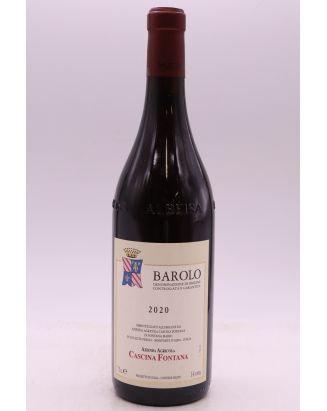
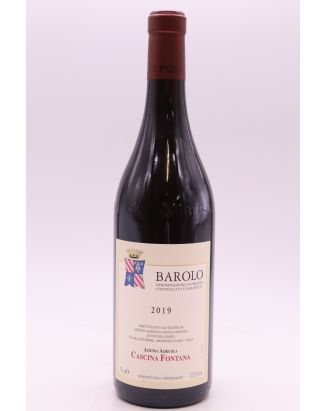
Cascina Fontana is a small, traditional family estate in the Barolo region, nestled in Perno, a hamlet of Monforte d'Alba, at the heart of the Langhe in Piedmont. Carried forward through six generations by the Fontana family and today led by Mario Fontana, it cultivates a handful of hectares spread across prestigious crus such as Villero, Mariondino and Giachini. Faithful to the teachings of grandfather Saverio, the estate produces classic and austere Barolos, born of long macerations and ageing in large Slavonian oak casks, with no new wood or artifice. Nebbiolo, Barbera, Dolcetto: these are honest, peasant-rooted wines — sincere, elegant and remarkably long-lived.
The story of Cascina Fontana begins six generations ago, in the early years of the nineteenth century. At a certain point, two Fontana brothers decided to go their separate ways: to avoid any dispute, the elder carried out the division and the younger made his choice, preferring more land over property. The elder retained the name Cascina Fontana, while the younger named his new estate Cascina Fontanin. Since then, the family has steadfastly carried on a traditional approach to winegrowing, in respect of the culture and memory of the Langhe.
Today, Mario Fontana heads the estate and oversees the entire production cycle, from vineyard to cellar. Committed to producing little so as never to bow to market demands, he has managed — with the support of a veteran Belgian importer enamoured with Burgundy — to preserve an authentic style at the very time when the entire world was clamouring for richly coloured and concentrated Barolo. This consistency is reflected in a tightly focused range, enriched in recent years by new village-level labels: the Barolo del Comune di Castiglione Falletto and, with the 2019 vintage, the Barolo del Comune di Monforte d'Alba.
The vineyard extends over approximately five hectares, divided into several plots located in the most reputed villages of the appellation. In Castiglione Falletto, one finds the vigna Villero in the Villero cru, the vigna Valletti in the Mariondino cru, and the vigna del Pozzo; in La Morra, the vigna Gallinotto in the Giachini cru; as well as the vigna del Castello in Sinio and vines in Perno, in the commune of Monforte d'Alba. The marl-limestone soils and vines of around fifty years of age lend the wines depth, structure, and longevity.
These exceptional terroirs, inscribed on the UNESCO World Heritage list for the beauty of their viticultural landscape, are dedicated to the indigenous grape varieties of Piedmont: Nebbiolo, the king of the Langhe and the soul of Barolo, accompanied by Barbera, Dolcetto, and Freisa. The production philosophy rests on an authentic and sincere relationship with the land and the rhythm of the seasons, with a traditional and environmentally respectful approach, as close to nature as possible.
The vinification perpetuates the ancient gestures handed down by grandfather Mario Saverio. After a manual harvest, the grapes are destemmed and gently pressed to release the juice softly, then ferment spontaneously with indigenous yeasts. For the Barolo, macerations are long, potentially reaching around forty days, in a pursuit of transparency of cru and vintage rather than heavy extraction.
The aging follows a subtractive approach, with no new wood so as to mask nothing. The Barolo matures for approximately two years in large 25-hectolitre Slavonian oak casks, then one year in concrete vats, before several months of bottle refinement. The Dolcetto, meanwhile, remains in steel to preserve its fruit, while the Barbera and the Langhe Nebbiolo rest for approximately one year in wood. The result is wines with a traditional profile, austere and thoroughbred in their youth, of great expressive finesse and built to last for decades.
Barolo: the estate's emblematic wine, it is born from the blending of three family crus — Villero and Mariondino in Castiglione Falletto and Giachini in La Morra — harvested and vinified separately before being brought together. Aged for two years in large Slavonian oak casks and then one year in concrete, it combines depth, vitality, structure and elegance, with remarkable longevity.
Barolo del Comune di Castiglione Falletto: produced only in years deemed favourable since the mid-2010s, it showcases the Villero-Valletti duo to offer a more austere and profound reading of this hillside. A great Barolo for cellaring, of fine finesse.
Barolo del Comune di Monforte d'Alba: a new label born with the 2019 vintage, it comes from a quarter-hectare of vineyard recovered in Perno. Fleshy, assertive and richly textured, this Barolo carries a strong sense of identity and expresses the powerful character of Monforte.
Langhe Nebbiolo: sourced from the Nebbiolo of the vigna del Castello in Sinio and aged for approximately one year in wood, this more supple and approachable wine offers a fine introduction to the king grape of the Langhe, with red fruit and spice.
Barbera d'Alba: the flagship grape of Piedmont, the Barbera yields here a generous and fruity wine, carried by a natural freshness and beautiful substance. Around one year of aging in wood brings roundness and balance.
Dolcetto d'Alba: aged solely in steel to preserve the brilliance of its fruit, this deeply coloured and crunchy Dolcetto is best enjoyed in its youth, with notes of black fruits and a savoury finish.
Vino Rosso Cascina Fontana: the newest addition to the range, this Nebbiolo cuvée vinified using natural methods and bearing the Triple A label expresses fruit and terroir with sincerity. Authentic, easy-drinking, and full of character.
Langhe Freisa: from an ancient Piedmontese grape variety related to Nebbiolo, the Freisa yields a fresh and aromatic wine, with lively tannins and a vivid red fruit character. A typic and highly individual cuvée, well worth discovering.
COLLECTION NEAR PARIS & VAT REFUND FOR TOURISTS
Free collection in our warehouse near central Paris (92)