Robert Barbichon Brut Nature
Personalise your experience
Change your country, language and currency here whenever you wish.
|
|
|
Must-See Châteaux |
|
|
|
|
|
|
|
|
Based in Gyé-sur-Seine, in the heart of the Côte des Bar in southern Champagne, Robert Barbichon is a family-run grower-producer. Fourth-generation brothers Thomas and Maxime Barbichon farm around nine hectares of vines organically and biodynamically. This terroir of Kimmeridgian marl, close to Les Riceys and the Chablis area, produces Pinot Noir-led champagnes with a vinous character, low dosage and remarkable purity.
The house’s story brings together two winegrowing families from the Côte des Bar. After the phylloxera crisis, the Barbichons replanted their vines in Gyé-sur-Seine, while the Prélats did the same in nearby Celles-sur-Ource. Robert Barbichon and Maryvonne Prélat later brought the two vineyards together, giving rise to Champagnes Robert Barbichon. The house is based on Rue de la Vereille, a former royal road through the village, where the grapes are pressed and the wines made.
Trained by their father, Thomas and Maxime took over the vineyards and winemaking. They moved the estate toward viticulture that is more respectful of the natural world. The commitment to organic farming dates from November 2007, and the first certified organic harvest was in 2010. Biodynamic practices followed with the 2012 harvest, along with Demeter certification.
The vineyard comprises about nine hectares across seventeen parcels in five villages around Gyé-sur-Seine, including Celles-sur-Ource, Courteron and Neuville-sur-Seine. The vines grow on Kimmeridgian clay-limestone soils rich in Exogyra marl, containing small fossilized oysters. These soils resemble those of Chablis and differ from the chalk of northern Champagne. Mostly south-facing, the parcels benefit from a slightly warmer climate that allows Pinot Noir to reach full ripeness almost every year. The vines average between thirty and forty years old, and the oldest were planted as early as 1953.
Pinot Noir accounts for about three-quarters of the plantings. It is complemented by Chardonnay, Pinot Meunier and Pinot Blanc, a rare variety in Champagne. No synthetic chemicals are used. The brothers apply biodynamic preparations (500, 501, herbal infusions and composts) according to the lunar calendar. Some soils are plowed by horse to avoid compaction, and the grapes undergo rigorous sorting during the harvest.
In the cellar, the house prioritizes precision and respect for the fruit. The grapes are pressed in a traditional Champagne press, which extracts the juice gently. The wines ferment mainly in stainless steel tanks, then a portion is aged in oak barrels to develop texture and complexity. Malolactic fermentation is generally complete. The blends highlight the natural vinous character of the Côte des Bar terroir.
After bottling for secondary fermentation, the bottles age at length on lees, often for thirty to more than forty months, before disgorgement. Dosage is very low: most cuvées are extra-brut or brut nature. This choice allows the terroir and the ripeness of the grapes to shine through. The back labels list the blend, vintages, bottling and disgorgement dates, and dosage.
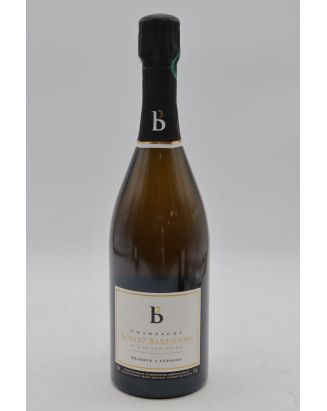
Réserve 4 Varieties: this signature blend brings together the estate’s four grape varieties, with a large proportion of Pinot Noir complemented by Chardonnay, Pinot Blanc and Meunier. It is the only cuvée in the range to include reserve wines from previous years. Aged in stainless steel tanks and partly in large oak casks, then for about thirty months on lees, this champagne has a dosage of around 3 to 5 grams. It offers aromas of peach, pear, citrus and linden blossom, a fleshy, generous palate and a long saline finish.
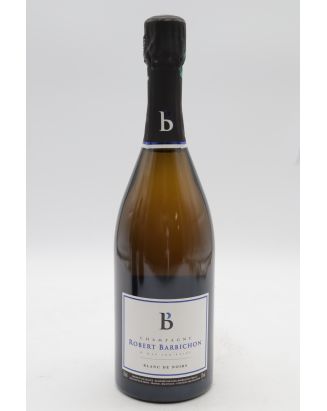
Blanc de Noirs: this champagne is made almost exclusively from Pinot Noir, with a touch of Meunier. It is offered with a very low dosage, or none at all depending on the bottling. The nose suggests fresh red berries, cherry, ripe apple and brioche. Full and structured on the palate, it shows the vinous character of Côte des Bar Pinot Noir, with a creamy finish and a subtle toasted note. It is an ideal champagne for the table, especially with poultry and white meats.
Blanc de Blancs: this cuvée blends Chardonnay with a substantial proportion of Pinot Blanc, setting it apart from classic blancs de blancs. Aged for more than forty months on lees and finished as an extra-brut, it offers delicate aromas of white flowers, citrus and brioche. The palate is full and faithfully reflects the limestone soils of Gyé-sur-Seine.
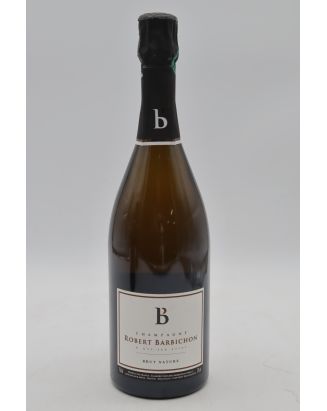
Brut Nature: made from a single harvest year and led by Chardonnay, with some Pinot Blanc and a hint of Pinot Noir, this champagne receives no dosage. After at least three years on lees, it is finely etched, taut and mineral. It pairs beautifully with oysters, raw fish and shellfish.
Rosé de Saignée: this rare rosé is made by the saignée method: Pinot Noir grapes, sometimes supplemented by Meunier, macerate for about 48 hours before deeply colored pink juice is drawn off. Its vivid color hints at aromas of strawberry, raspberry, cherry and spice. Vinous and lightly tannic on the palate, it recalls the reds of neighboring Burgundy while retaining lovely freshness. It pairs with fine charcuterie, fish carpaccio or gently spiced dishes.
COLLECTION NEAR PARIS & VAT REFUND FOR TOURISTS
Free collection in our warehouse near central Paris (92)