Personalise your experience
Change your country, language and currency here whenever you wish.
|
|
|
Must-See Châteaux |
|
|
|
|
|
|
The red wines of Languedoc-Roussillon rely on a trio of emblematic grape varieties: Grenache, Syrah and Mourvèdre, often blended together to produce full-bodied and generous wines. Carignan, long underestimated, is today experiencing a remarkable renaissance thanks to old vines that lend it exceptional depth and minerality. More discreet, Cinsault brings freshness and elegance to the blends of the region.
The Languedoc-Roussillon is the largest wine-producing region in France by surface area, which allows producers to offer quality wines at accessible prices. Long associated with high-volume production, the region has undergone a profound transformation since the 1990s: reduced yields, plot-by-plot selection, and investment in the winery. Today, one can find remarkable bottles at reasonable prices, as well as prestige cuvées that rival the great appellations of France.
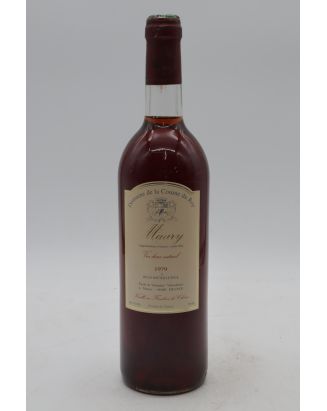
The wines of the Languedoc-Roussillon stand out for their remarkable diversity, a reflection of a vast territory stretching from Nîmes to the Spanish border. This vineyard, the largest in France by surface area, benefits from a generous Mediterranean climate, marked by more than 300 days of sunshine per year, intense heat tempered by the tramontane and the marin winds, and limited rainfall. These conditions shape powerful and full-bodied red wines, rich in ripe tannins and aromas of black fruits, garrigue and spices. The whites, often lively and aromatic, reveal floral and fruity notes, while the rosés display a beautiful freshness. The region also produces exceptional natural sweet wines, such as Banyuls or Maury, with flavours of candied fruits and cocoa.
Among the most recognised appellations of the Languedoc-Roussillon are: Pic Saint-Loup, known for its elegant reds with violet hues; Faugères, whose schist soils yield wines of distinctive minerality; Saint-Chinian, appreciated for the diversity of its terroirs; and Minervois, which offers warm reds with notes of garrigue. On the sweet wine side, Banyuls and Maury unquestionably dominate the natural sweet wine scene, while Picpoul de Pinet has established itself as the essential white wine reference on seafood tables.
Decanting is strongly recommended for young, structured reds from the Languedoc-Roussillon. Placing the wine in a decanter for one to two hours allows the tannins to soften, the aromas to open up and the wine to reveal its full complexity. Cuvées based on Mourvèdre, a grape variety that is naturally closed in its youth, benefit particularly from this extended aeration. On the other hand, older wines or lighter cuvées based on Cinsault or Grenache can be served directly, after a gentle decanting to separate any sediment that may have formed.
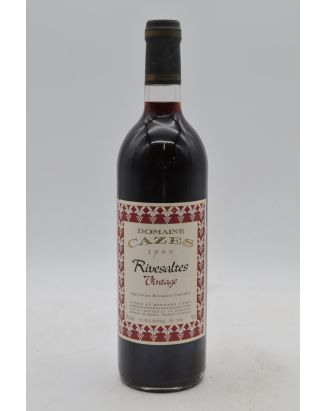
The optimal storage of Languedoc-Roussillon wines depends on their style and structure. Full-bodied reds from appellations such as Corbières, Minervois or Pic Saint-Loup are ideally kept between 12 and 15°C, away from light, in a slightly humid atmosphere (around 70% humidity) and free from vibrations. Bottles should be stored on their side to keep the cork moist and preserve the seal. Depending on their tannic structure, these wines can improve in the cellar for between 5 and 15 years. Whites and rosés, which are ready to drink earlier, are generally consumed within 2 to 4 years of their vintage. Natural sweet wines such as Banyuls or Rivesaltes, on the other hand, age very well and can be kept for several decades under good conditions.
COLLECTION NEAR PARIS & VAT REFUND FOR TOURISTS
Free collection in our warehouse near central Paris (92)