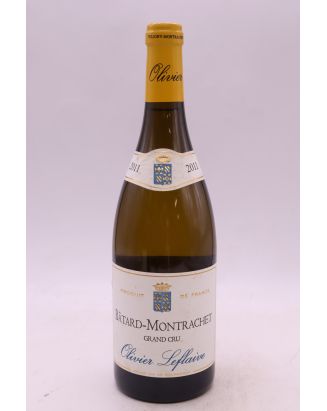
Olivier Leflaive Bâtard Montrachet 2011
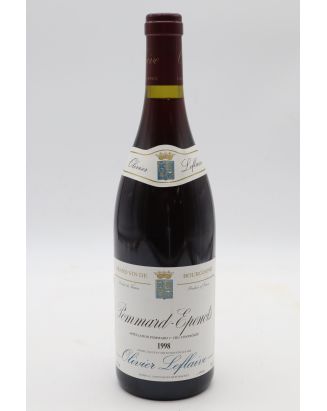
Olivier Leflaive Pommard 1er Cru Les Epenots 1998
Personalise your experience
Change your country, language and currency here whenever you wish.
|
|
|
Must-See Châteaux |
|
|
|
|
|
|
|
|
Maison Olivier Leflaive, a highly reputed négociant in Burgundy
The négociant house Olivier Leflaive raises and vinifies 120 hectares of vines (17 of which are estate-owned) spread across Chablis, the Côte de Beaune and the Côte Chalonnaise. Domaine Olivier Leflaive favors winegrowers who cultivate their plots organically or through biodynamics but is not certified. A large share of the harvest is carried out by Olivier Leflaive's own teams. Domaine Leflaive Olivier produces wines from prestigious parcels including the grand crus Batard Montrachet, Bienvenues Batard Montrachet, Chevalier Montrachet, Montrachet, Corton Charlemagne and also Chablis Grand Cru Vaudésir. The Olivier Leflaive premier crus are equally noteworthy, with the Chassagne Montrachet 1er crus l'Abbaye de Morgeot and les Dents de Chien, the Meursault 1er crus Bouchères, Charmes, Genevrières, Perrières and Poruzots, the Pommard 1er crus Epenots, Fremiets and Rugiens, the Puligny Montrachet 1er crus Pucelles and Folatières, the Volnay 1er crus Santenots and Mitans, and the Chablis 1er crus Fourchaume and Montée de Tonnerre.
The Leflaive family has been rooted in Puligny-Montrachet since 1717. At the turn of the 20th century, Joseph Leflaive (1870–1953) rebuilt and expanded the family holdings after phylloxera, systematically acquiring parcels among the village’s most prestigious. From 1953, his sons Joseph Régis and Vincent continued his work, making the Leflaive name a benchmark for Burgundian Chardonnay.
Olivier Leflaive, Joseph’s grandson, returned to Burgundy in the early 1980s after business studies and an earlier career in music and entertainment. While co-managing the family estate alongside his cousin Anne-Claude, he decided in 1984 to establish his own business with his brother Patrick: a négociant house unusual at the time for its exclusive focus on white wines. In 1988, he brought in enologist Franck Grux, now assisted by Solène Panigai, whose technical expertise has helped build the stylistic consistency for which the cuvées are known. From 2011, Puligny premiers crus and grands crus from Olivier’s personal inheritance joined the range under the estate label. At the same time, the house has developed Puligny into a wine-tourism destination, with a restaurant and four-star hotel where visitors can taste the range on-site.
The vineyards worked by the house span an exceptionally broad range of terroirs, from Chablis in the north to the Côte Chalonnaise in the south, with the Côte de Beaune’s three legendary white-wine villages—Puligny-Montrachet, Meursault, and Chassagne-Montrachet—at their heart. Jurassic clay-limestone soils predominate, alternating between deep marl, exposed limestone slabs, and stony slopes. This geological diversity explains the stylistic differences between a taut Chablis grown on Kimmeridgian marl, a rich, buttery Meursault, and a Puligny shaped by its chalky minerality.
The house now owns around 20 hectares of vineyards and makes wine from nearly 100 hectares spread across more than 80 climats. The vines average about 35 years of age, contributing concentration and natural balance. For around 20 years, vineyard management has followed a considered approach inspired by biodynamics, with plowing, controlled ground cover, and limited yields, though the house has not pursued certification. The grapes are harvested by hand in small crates and separate parcel lots, with much of the fruit picked directly by the house’s teams to ensure optimal ripeness and grape health in every delivery.
The winemaking philosophy is grounded in precision at the parcel level. As soon as the grapes arrive at the winery, they are pressed slowly in a pneumatic press, with a proportion of whole clusters and a proportion of destemmed grapes depending on the vintage. After careful settling, each lot ferments separately, most in French oak barrels and the rest in stainless steel tanks to preserve varietal freshness. Malolactic fermentation is carried through to completion, bringing roundness and stability to the white wines.
Aging generally lasts 12 to 14 months, including several months during which the lots are blended before bottling. The proportion of new oak is deliberately restrained, at around 10 percent for regional appellations and 20 percent for village wines, with slightly more for premiers and grands crus. The wines rest on fine lees, with bâtonnage tailored to each cuvée’s profile. This blending work, a true hallmark of the house, involves vinifying lots separately before bringing them together to achieve the most faithful expression of each appellation.
Bourgogne Blanc Les Sétilles: The house’s emblematic, flagship cuvée is blended from around 60 parcels, mainly in Puligny-Montrachet and Meursault, with a few plots in the Hautes Côtes de Beaune and the Côte Chalonnaise. White flowers, peach, toasted almond, and lemon peel make for an enticing nose against a mineral backdrop. Partially aged in barrels, it offers value for money that has become legendary and was served at Windsor Castle for the wedding of Prince Harry and Meghan Markle.
Bourgogne Aligoté: Lively, crystalline, and refreshing, this Aligoté offers notes of lemon, green apple, and chalk. An aperitif wine with character, perfect with oysters and shellfish.
Bourgogne Rouge: A supple, fruity Pinot Noir with notes of cherry, raspberry, and sweet spice. Smooth tannins and a delicious finish make this entry-level wine immediately enjoyable.
The wines of the Côte Chalonnaise (white and red Rully, Rully 1er Cru, Montagny 1er Cru, Mercurey): These southerly appellations offer an accessible alternative to the great whites of the Côte de Beaune. Montagny 1er Cru charms with its lemony freshness and mineral backbone, Rully with its gentle fruit and liveliness, and red Mercurey with its spicy structure.
The Chablis wines (Chablis, Chablis 1er Cru Fourchaume, Montée de Tonnerre, Vaillons, Montmains, Côte de Léchet, Chablis Grand Cru Vaudésir): Grown on Kimmeridgian marl, these Chardonnays display the saline tension and directness characteristic of Chablis. The premiers crus gain in body and depth, while Vaudésir Grand Cru offers a broad, saline palate and remarkable persistence.
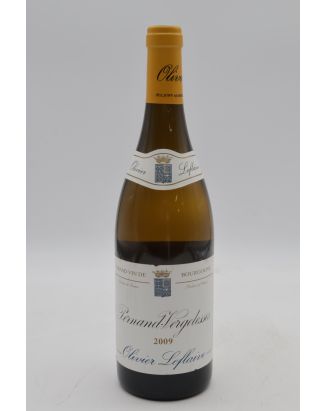
Saint-Aubin, Saint-Romain, Auxey-Duresses, and Pernand-Vergelesses: These neighboring appellations are central to the house’s skill in producing wines that offer value. Saint-Aubin 1er Cru Murgers des Dents de Chien and En Remilly stand out for their energy and smoky minerality, Saint-Romain for its striking freshness, Auxey-Duresses for its crisp fruit, and Pernand-Vergelesses for its tension and citrus notes.
Meursault and its premiers crus (Meursault village, Les Narvaux, Les Tillets, 1er Cru Charmes, Genevrières, Perrières, Poruzots, Bouchères): The appellation’s opulent style comes through here, with notes of hazelnut, fresh butter, and acacia honey. Perrières brings the most distinguished minerality, Genevrières floral elegance, Charmes enveloping roundness, and Poruzots a spicy power drawn from blending its upper and lower sections.
Puligny-Montrachet and its premiers crus (Puligny-Montrachet village, Les Levrons, 1er Cru Les Folatières, Les Pucelles, Les Combettes, Les Referts, Champ Gain, Les Garennes, Hameau de Blagny): The true backbone of the house, the village Puligny is blended from around 20 parcels across the commune and aged for 12 months in barrels, with approximately 20 percent new oak. The premiers crus then express every nuance of the slope: the aristocratic length of Folatières, the delicacy of Pucelles, the density of Combettes, the generosity of Referts, the high-altitude freshness of Garennes and Hameau de Blagny, and the firm minerality of Champ Gain.
Chassagne-Montrachet and 1er Cru Abbaye de Morgeot: Sunnier than neighboring Puligny, this appellation produces full-bodied whites combining yellow fruit, hazelnut, and white flowers. Abbaye de Morgeot, one of the cuvées that established the house’s reputation, adds depth and structure that call for several years of cellaring.
Corton-Charlemagne Grand Cru: Made from vines around 30 years old, harvested from several small parcels across Ladoix, Pernand-Vergelesses, and Aloxe-Corton. Its elegant nose combines acacia, honey, and almond; the palate delivers mineral power and a long-lasting saline finish. A grand cru made for cellaring.
Bienvenues-Bâtard-Montrachet Grand Cru: Finer and more floral than neighboring Bâtard, this rare grand cru offers citrus, stone fruit, and a delicately chalky backbone. A hard-to-find wine produced in very small quantities.
Bâtard-Montrachet Grand Cru: A wine of imposing breadth and explosive aromatic intensity, combining fresh butter, candied citrus, and smoky notes. Its texture is dense, almost creamy, supported by acidity that ensures considerable aging potential.
Chevalier-Montrachet Grand Cru: From the upper slopes, on thin, highly calcareous soils, it embodies verticality and finesse. A remarkably precise nose, a finely etched, taut palate, and a finish of striking mineral purity.
Montrachet Grand Cru: The pinnacle of the range and of white Burgundy, produced in minute quantities. It combines power, richness, and refinement, with aromas of candied yellow fruit, toasted hazelnut, and honey, followed by seemingly endless saline freshness. A collector’s wine to cellar for at least ten years.
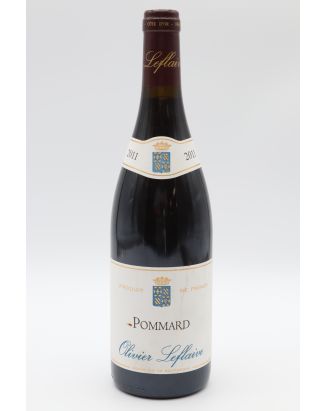
The red wines (Santenay, Beaune, Aloxe-Corton, Nuits-Saint-Georges, Volnay 1er Cru Santenots and Les Mitans, Pommard 1er Cru Les Épenots and Les Rugiens): The house also produces fine Pinot Noirs, vinified with the same pursuit of purity. Santenay is generous and spicy, Beaune supple and fragrant, Aloxe-Corton firmly structured, and Nuits-Saint-Georges deep and distinguished. The Volnay premiers crus offer floral elegance and silky tannins, while the Pommard Épenots and Rugiens show structured power, rich in dark fruit and forest-floor notes, built for long cellaring.
COLLECTION NEAR PARIS & VAT REFUND FOR TOURISTS
Free collection in our warehouse near central Paris (92)