Vins de Vienne

The domaine des Vins de Vienne: the association of 3 great winemakers for the renaissance of a forgotten terroir of the Rhône

Wines from Les Vins de Vienne: buy at the best price

Born in 1996 from the friendship between three leading winemakers of the northern Rhône, Yves Cuilleron, Pierre Gaillard and François Villard, Les Vins de Vienne set itself a mission: to revive the ancient vineyard of Seyssuel, celebrated by Pliny the Elder and then forgotten for a century. Based in Chavanay, the estate today cultivates its own vineyard on the schist hillsides of the left bank of the Rhône and rounds out its range through a carefully selected network of partner producers, from Côte-Rôtie to Châteauneuf-du-Pape.

Read more
See more
Filters

Price

€20.00 - €60.00

Volume

Parker WA rating

87 - 89

Burghound rating

No options available for this group

Revue du Vin de France rating

No options available for this group

Bettane & Desseauve rating

No options available for this group

Prices drop

No options available for this group

Download this list
There are 4 products.
Download this list
Les Vins de Vienne Taburnum 2018
1 in stock
130681
White
75cl
92/100
15/20
Add to cart
Rhône | Collines Rhodaniennes IGP

Les Vins de Vienne Taburnum 2018

€36.00 inc-VAT per bottle
€30.00 ex-VAT
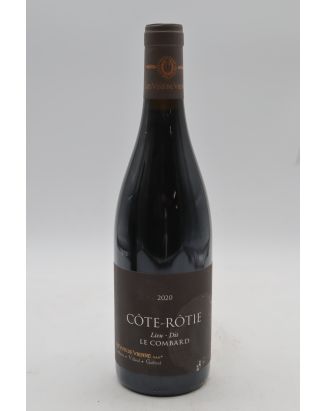
Les Vins de Vienne Côte Rôtie Combard 2020
2 in stock
131918
Red
75cl
Add to cart
Rhône | Côte Rôtie

Les Vins de Vienne Côte Rôtie Combard 2020

€48.00 inc-VAT per bottle
€40.00 ex-VAT
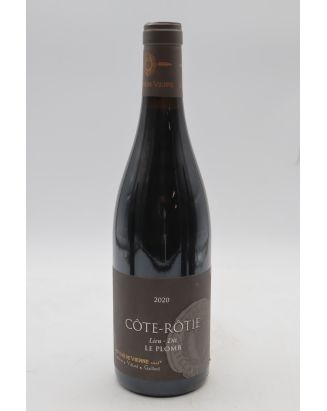
Les Vins de Vienne Côte Rôtie Le Plomb 2020
2 in stock
131919
Red
75cl
Add to cart
Rhône | Côte Rôtie

Les Vins de Vienne Côte Rôtie Le Plomb 2020

€48.00 inc-VAT per bottle
€40.00 ex-VAT
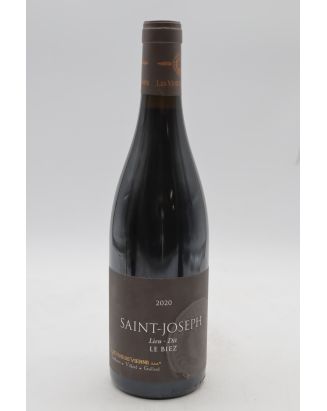
Les Vins de Vienne Saint Joseph Le Biez 2020
2 in stock
131921
Red
75cl
Add to cart
Rhône | Saint Joseph

Les Vins de Vienne Saint Joseph Le Biez 2020

€36.00 inc-VAT per bottle
€30.00 ex-VAT
History of Les Vins de Vienne

An 18th-century book records that the wines of Vienne were harvested in the territories of Côte-Rôtie, Seyssuel and Porte-de-Lyon. Taburnum, Sotanum and Heluicum had already been celebrated in their day by Pliny the Elder, but these three ancient wines had vanished entirely from the wine map. The Seyssuel vineyard, first planted in Roman times, had been abandoned after phylloxera and the rural exodus.

The adventure began in 1996, when three winemaker friends from the Rhône’s right bank—Yves Cuilleron, Pierre Gaillard and François Villard—rented a few abandoned plots on the slopes of Seyssuel. These three pioneers, already instrumental in the northern Rhône’s revival during the 1980s, believed in the potential of this terroir and wanted to prove that it could produce great wines for aging. Sotanum, the first red, was released in 1998. Taburnum, the first white, followed in 2000. The second red, Heluicum, arrived in 2004. Three winemakers, three different approaches to vines and wine, but a partnership that worked: each plays his own part while contributing to the group, like a musical trio. Since then, the house has continued to grow, developing a parallel sourcing operation with partner growers across the Rhône appellations, from north to south, while vinifying and aging all these wines in its Chavanay winery.

Terroirs and vineyards of Les Vins de Vienne

The heart of the estate lies in Seyssuel, on the left bank of the Rhône, opposite Côte-Rôtie. Around twelve hectares have been replanted there with Syrah and Viognier on quartz-rich and mica-rich schist, a terroir almost identical to that of Côte-Rôtie across the river. The south- and southwest-facing plots are planted at eight to ten thousand vines per hectare and Guyot-pruned. A further ten or so hectares are spread across the right-bank appellations of Côte-Rôtie, Saint-Joseph, Condrieu, Saint-Péray and Crozes-Hermitage, producing the Lieux-Dits range.

The house also works with partner growers chosen for their love of and respect for winegrowing. They share a common vision: thoughtful farming, controlled yields, optimal ripeness and precise harvest timing. In the southern Rhône, grape purchases follow strict specifications. In the northern Rhône, contracts rest simply on a handshake. This exacting approach ensures consistent quality across the wines. The range of soils is vast: granite in Condrieu, Saint-Joseph, Cornas and Saint-Péray; mica schist and gneiss in Côte-Rôtie; loess and limestone fragments in Hermitage; rounded pebbles and red clay in Châteauneuf-du-Pape; marl and sandstone in Vacqueyras; and red soils in Cairanne.

Winemaking at Les Vins de Vienne

Once the grapes are harvested, everything comes down to the Chavanay winery, where the house vinifies and ages all its wines itself. The wines show great precision because the three partners devote considerable thought to their work, reflecting on it even more closely with the team each day. Each has different tastes, but all share the same philosophy of wine and the same idea of quality.

Aging is carefully tailored to each wine. The great reds of Seyssuel, Côte-Rôtie, Cornas and Hermitage spend sixteen months in French oak barrels. The sunnier southern wines age for twelve months in oak barrels and concrete tanks. The whites rest on fine lees for nine to seventeen months in large oak casks, oak barrels or 600-liter barrels, depending on the appellation. The approachable wines in the Amphore d’Argent range combine concrete and oak to preserve the fruit. The house also makes a range with no added sulfites, aged in enameled steel tanks or large oak casks; a sparkling Saint-Péray aged forty-eight months on the lees; and a sweet wine made from botrytized grapes.

The wines of Les Vins de Vienne

Sotanum: Seyssuel’s first red, released in 1998 and renowned worldwide. Pure Syrah grown on quartz-rich and mica-rich schist, aged sixteen months in French oak barrels, producing a generous, balanced and complex wine with a spicy palate. Can age for ten to fifteen years.

Heluicum: Seyssuel’s second red, first produced in 2004 from the last plots planted in 2001. Pure Syrah aged twelve months in oak barrels, in a more generous style, with silky tannins and aromas of red fruit and spice. Can age for seven to eight years.

Taburnum: the white wine of Seyssuel, first produced in 2000, whose name evokes the winegrowing terraces of Roman times. Pure Viognier grown on mica schist, aged sixteen months on the lees in oak barrels; balanced and generous, with floral, fruity and spicy notes.

Jeanraude, Condrieu: a granite lieu-dit producing pure Viognier aged nine months on the lees in a large oak cask. Aromatic, powerful and delicately oaked; superb with pike quenelles.

Poncin, Condrieu: another granite lieu-dit in the appellation, producing pure Viognier aged nine months in a large oak cask. Power and finesse, with a fresh, mineral finish.

Les Faures, Saint-Péray: pure Marsanne grown on granite, aged seventeen months on the lees in oak barrels. Rich, fruity and mineral, with forest-floor notes and seven to eight years of aging potential.

Maison Blanche, white Crozes-Hermitage: Marsanne grown on loess and limestone fragments, aged nine months on the lees. Generous and rich, both fruity and mineral; best opened in its early years.

Bedad, white Crozes-Hermitage: Marsanne grown on limestone derived from Pliocene marl, aged nine months on the lees in a 600-liter barrel and a small concrete tank. White flowers, a long finish, elegance and finesse, with ten to twelve years of aging potential.

Le Biez, red Saint-Joseph: pure Syrah grown on granite, aged sixteen months in oak barrels. Expressive, intense, fruity and peppery, built to age for ten to twelve years.

Le Biez, white Saint-Joseph: pure Roussanne grown on heavily weathered dark gneiss, aged nine months on the lees in a large oak cask. Apricot and hawthorn notes, a generous palate and lovely freshness.

Le Plomb, Côte-Rôtie: pure Syrah grown on schist, aged sixteen months in oak barrels. Elegant, with delicate tannins and floral aromas; magnificent with pigeon or roast beef with morels.

Les Grandes Places, Côte-Rôtie: the house’s flagship single-site wine from the appellation, pure Syrah grown on mica schist and aged sixteen months in oak barrels. Generous, with silky tannins and spicy notes, and ten to twenty years of aging potential.

Le Combard, Côte-Rôtie: Syrah grown on gneiss, aged sixteen months in oak barrels. Powerful, floral and herbaceous, with pronounced tobacco aromas and ten to twenty years of aging potential.

Les Grappiats, Crozes-Hermitage: pure Syrah grown on clay-limestone soils and rounded pebbles, aged sixteen months in oak barrels. Powerful and fleshy, with ripe fruit notes and eight to ten years of aging potential.

Saint-Pierre, Cornas: pure Syrah grown on granite, aged sixteen months in oak barrels. Complex and powerful, with pepper and black fruit notes and ten to fifteen years of aging potential.

Brézème, red Côtes du Rhône: Syrah grown on clay-limestone silt in this distinctive part of the Drôme, aged sixteen months in oak barrels. Powerful and fleshy, with ripe fruit notes.

Brézème Est, white Côtes du Rhône: Roussanne grown on marly limestone, aged nine months on the lees in 600-liter barrels. Great aromatic richness, power and warmth.

Les Chirats de Saint-Christophe, red Hermitage: pure Syrah grown on granite and very old Rhône alluvial deposits, aged sixteen months in oak barrels. Powerful yet delicate, with supple tannins and pronounced complexity; it can age for ten to fifteen years.

La Bachole, white Hermitage: Marsanne grown on loess and limestone fragments, aged nine months on the lees in oak barrels. Rich and complex, with ripe pear and honey notes and six to fifteen years of aging potential.

La Chambée, Condrieu: pure Viognier grown on granite and loess, aged nine months on the lees in oak barrels. Round, complex and mineral; ideal with a foie gras terrine.

L’Elouède, white Saint-Joseph: 70% Roussanne and 30% Marsanne grown on granite, aged nine months on the lees in oak barrels. Round, complex and mineral, with seven to eight years of aging potential.

L’Arzelle, red Saint-Joseph: pure Syrah grown on granite, aged sixteen months in oak barrels. Black fruit and spice, with fine balance and delicate tannins.

Les Bialères, Saint-Péray: 80% Marsanne and 20% Roussanne grown on granite, aged nine months on the lees. Intense, voluptuous and mineral.

Les Essartailles, Côte-Rôtie: pure Syrah grown on schist and gneiss, aged sixteen months in oak barrels. Black fruit and spice, with good balance and delicate tannins.

Les Barcillants, Cornas: pure Syrah grown on granite, aged sixteen months in oak barrels. Complex and powerful, with black fruit and pepper notes and twelve to fifteen years of aging potential.

Les Palignons, Crozes-Hermitage: pure Syrah grown on granite terraces and plateaus of rounded pebbles, aged sixteen months in large oak casks and barrels. Generous, vibrant and full-bodied.

Les Otéliées, Châteauneuf-du-Pape: 80% Grenache, 15% Syrah and 5% Mourvèdre grown on ancient alluvial deposits, red clay and rounded pebbles, aged twelve months in oak barrels and concrete tanks. Refined, structured and long on the palate, with an aging potential of more than ten years.

Les Pimpignoles, Gigondas: 75% Grenache, 20% Syrah and 5% Mourvèdre grown on stony alluvial soils with rounded pebbles, aged twelve months. Refined and silky, with notes of jammy fruit.

La Perdendaille, Cairanne: 70% Grenache, 25% Syrah and 5% Carignan grown on red soils and sandstone, aged nine months, divided equally among tanks, oak barrels and 600-liter barrels. Fleshy, silky and concentrated, with fruit and spice notes.

La Sillote, Vacqueyras: 80% Grenache and 20% Syrah grown on marl and sandstone, aged twelve months. Aromatic, with fresh fruit, spice and garrigue notes.

Brézème Termiéra, Côtes du Rhône: Syrah grown on clay-limestone silt, aged sixteen months in oak barrels. Generous and floral, with red fruit notes.

Condrieu, Amphore d’Argent: Viognier grown on biotite- and muscovite-bearing granite, aged nine months on the lees in large oak casks and barrels. Fruity and generous, with floral notes.

White Crozes-Hermitage, Amphore d’Argent: pure Marsanne grown on loess, alluvial soils and marl, aged nine months on the lees. Supple, with white flower and acacia notes.

Saint-Péray, Amphore d’Argent: 80% Marsanne and 20% Roussanne grown on granite, aged nine months on the lees in a large oak cask. Floral and fruity, with lovely minerality.

Les Laurelles, white Côtes du Rhône: a blend of Viognier, Marsanne, Grenache Blanc and Clairette, aged four months on the lees in tanks. Round, fresh and balanced; perfect as an aperitif.

Marsanne, IGP Collines Rhodaniennes: pure Marsanne grown on sandy soils and granitic loess, aged six months on the lees in oak barrels. Balanced, with white-fleshed fruit and acacia blossom notes.

Viognier, IGP Collines Rhodaniennes: pure Viognier grown on granite and clay-limestone soils, aged six months on the lees in oak barrels and concrete tanks. Highly aromatic, with yellow peach notes.

Red Saint-Joseph, Amphore d’Argent: pure Syrah grown on granite, aged twelve months in concrete tanks, large oak casks and barrels. Supple and generous, with strawberry, blackcurrant and violet notes.

Red Crozes-Hermitage, Amphore d’Argent: pure Syrah grown on rounded pebbles and sandy clay-limestone soils, aged twelve months in concrete tanks, large oak casks and barrels. Generous, with red fruit and spice notes.

Les Cranilles, red Côtes du Rhône: 70% Grenache, 25% Syrah and 5% Carignan, aged eight months in concrete tanks. Generous, with red and black fruit notes; ideal with charcuterie or barbecue.

Saint-Joseph with no added sulfites: Syrah grown on granite, aged twelve months in a large French oak cask. Fruity, with fresh, vibrant aromas and a fine balance between generous fruit and velvety tannins.

Crozes-Hermitage with no added sulfites: pure Syrah grown on rounded pebbles, aged six months across concrete tanks, oak barrels and large oak casks. Vibrant and immediately appealing; perfect with grilled meats.

Côtes du Rhône Amet: the organically farmed wine, made from 80% Grenache and 20% Syrah grown on pebble terraces and red clay, aged ten months in tanks. An appealing range of aromas, with power and balance.

Hommage 1829, sparkling Saint-Péray: a tribute to winemaker Louis-Alexandre Faure, whose first bottle of sparkling Saint-Péray was uncorked in 1829 at the foot of Château de Crussol. Pure Marsanne grown on granite and aged forty-eight months on the lees, producing a full-bodied, complex and mineral sparkling wine with fine bubbles.

WHAT THEY SAY ABOUT US

5 good reasons to buy wines on V&M

...

EXPRESS DELIVERY

In a secure polystyrene packaging

...

INTERNATIONAL SHIPPING

Find out more about VAT-EX sale for outside EU deliveries

...

COLLECTION NEAR PARIS & VAT REFUND FOR TOURISTS

Free collection in our warehouse near central Paris (92)

...