The best Champagnes: rankings, exceptional cuvées, and gourmet advice
Choosing the best Champagne takes curiosity and discernment. Between historic grandes maisons and lesser-known growers, the world of sparkling wine is full of prestigious cuvées that appeal to enthusiasts and newcomers alike. Whether you want to elevate a holiday tasting or enrich your cellar, discover this selection informed by the rigor of experts and the experience of discerning enthusiasts.
Key takeaways:
- Exceptional Champagne: Historic grandes maisons (Krug, Bollinger, Roederer) and independent growers (Selosse, Ulysse Collin, Roses de Jeanne) offer distinctive, consistently high-quality cuvées.
- Varied styles: blanc de blancs (minerality and finesse), brut (balance and versatility), rosé (red fruit and fullness), and vintage wines (greater aging potential).
- Dosage: From Brut Nature (0–3 g/L) to Doux (>50 g/L), residual sugar influences freshness, roundness, and food pairings.
- Key selection factors: origin, vintage, disgorgement date, serving temperature, and advice from an expert or wine merchant.
- Storage: Keep bottles on their sides, away from light, at a stable temperature
The 15 best Champagnes, ranked by discerning enthusiasts
Each year, tastings uncover treasures among established names and independent producers. This top 15 favors exclusivity, consistency across several vintages, and the impression made in blind tastings. The finest Champagne houses appear alongside distinctive producers whose wines are prized at the table and in the cellar.
Some names stand out for their consistency, maintaining a distinctive style year after year, like Krug or Bollinger. Other growers surprise with powerful bruts or characterful blancs de blancs, such as Selosse or Ulysse Collin. This diversity is what makes the experts’ ranking so rich.
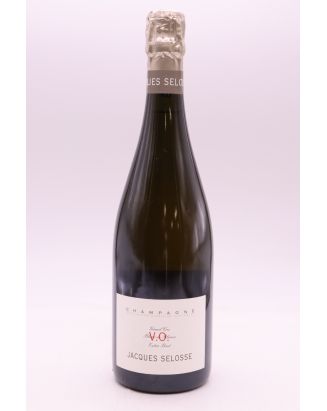
- Selosse: Distinctive aromas and a pure expression of terroir that always stands out in tastings.
- Ulysse Collin: A focused style, intense minerality, and remarkable tension on the palate.
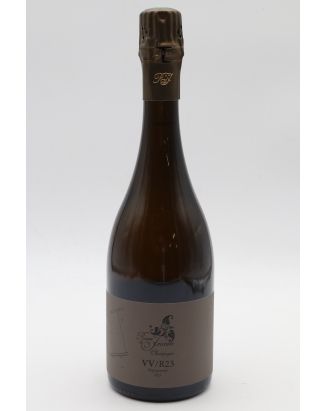
- Roses de Jeanne: Cédric Bouchard’s cuvées, sought after for their refined elegance.
- Jérôme Prévost: Complexity, a generous nose, and a long, lingering finish.
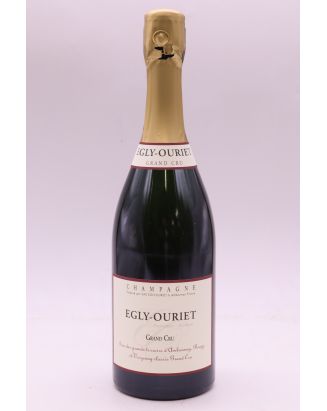
- Egly Ouriet: Pronounced structure and a long finish, typical of a great Champagne.
- Bereche: Subtle blends that offer a fresh experience with every vintage.
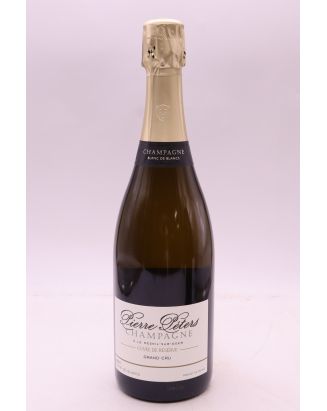
- Pierre Péters: A mineral blanc de blancs with remarkable freshness and length.
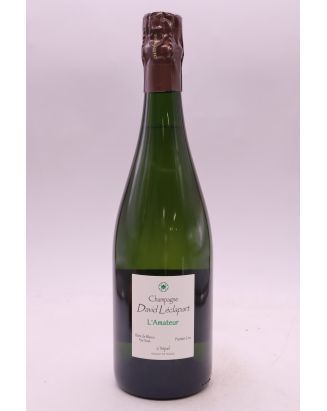
- David Leclapart: Carefully tended vines, intense aromas, and assured, expressive wines.
- Chartogne Taillet: Meticulous work that reveals the unique potential of each terroir.
- Jacquesson: A mainstay of wine guides whose limited releases delight discerning palates.
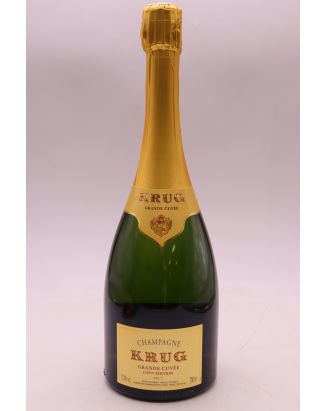
- Krug: A true legend and an essential name among the most sought-after cuvées.
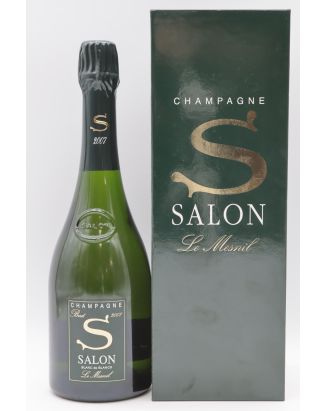
- Salon: Hailed as the “king of blanc de blancs” at numerous professional tastings.
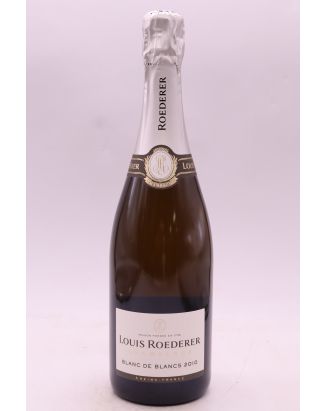
- Roederer: Brut Premier, a benchmark for finesse and exemplary balance.
- Bollinger: Controlled power and characteristic maturity on the nose.
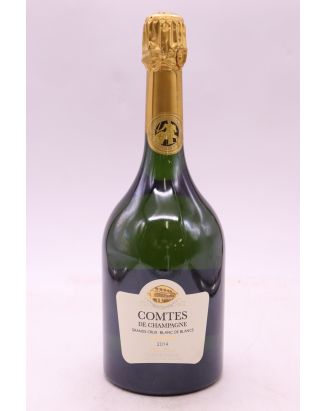
- Taittinger: Precision and richness in both its classic and vintage cuvées.
The most renowned growers:
- Selosse: An iconic grower famed for distinctive Champagnes that vividly express their terroir.
- Ulysse Collin: A focused, mineral style, renowned for its precision and remarkable tension on the palate.
- Roses de Jeanne (Cédric Bouchard): Cuvées sought after for their refined elegance and aromatic freshness.
- Jérôme Prévost: Aromatic complexity and a long finish, a signature style highly prized by connoisseurs.
- Egly Ouriet: Pronounced structure and a long finish, emblematic of the excellence of grower Champagnes.
- Bereche: Subtle blends and consistency across vintages, offering a fresh experience with every bottle.
- Pierre Péters: A mineral blanc de blancs with remarkable freshness and length.
- David Leclapart: Carefully tended vines and expressive wines combining intensity and authenticity.
- Chartogne Taillet: Meticulous work with each terroir, revealing a unique potential in every cuvée.
The essential historic grandes maisons:
- Krug: A true legend, symbolizing prestige and consistency in major tastings.
- Salon: Hailed as the “king of Blanc de Blancs,” renowned for the purity and depth of its cuvées.
- Roederer: Brut Premier, a model of finesse and balance, and a timeless classic.
- Bollinger: Controlled power and characteristic maturity on the nose, ideal for special occasions.
- Taittinger: Precision and richness, combining elegance and consistency across its cuvées.
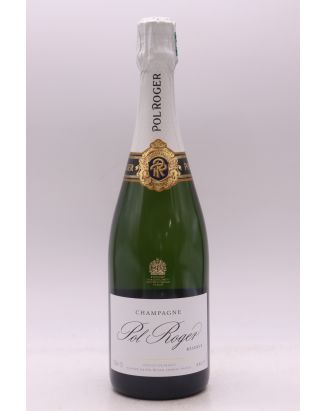
- Pol Roger: A house renowned for its classic, elegant Champagnes, prized by connoisseurs.
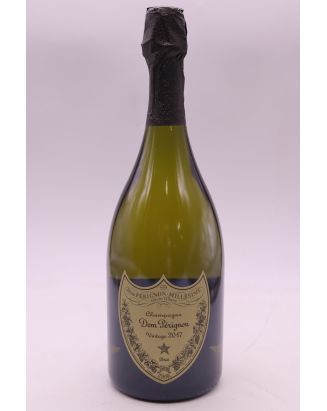
- Dom Pérignon: A global icon symbolizing luxury, complexity, and refinement.
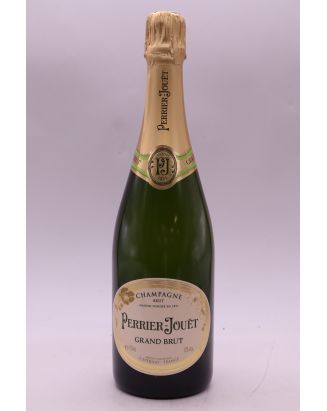
- Perrier-Jouët: Floral, delicate Champagnes with an elegant, artistic signature.
- Billecart-Salmon: A refined, precise style, ideal for lovers of fine, elegant bubbles.
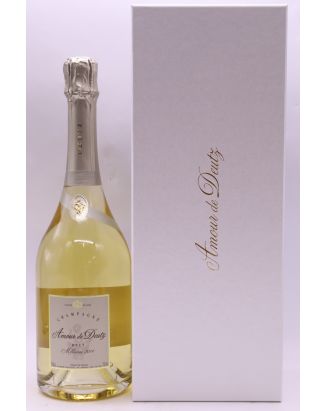
- Deutz: Tradition and consistency, offering balanced cuvées that appeal to discerning palates.
Champagne styles: blanc de blancs, brut, rosé, and vintage
The style of each Champagne has a strong influence on the tasting experience. From traditional brut to finely defined blanc de blancs, every cuvée tells a different story. A good buying guide helps you identify these essential nuances.
The term brut suggests suppleness and freshness; blanc de blancs (made exclusively from chardonnay) highlights minerality and tension; a rosé offers vibrant red-fruit flavors and fullness on the palate. Many houses, such as Pol Roger and Deutz, also produce vintage Champagnes, proudly displaying the year on the label.
How can you recognize an excellent blanc de blancs?
A blanc de blancs first captivates with its clear, pale color, a promise of delicacy. The nose often reveals fresh citrus and white flowers, sometimes with brioche notes over time. On the palate, fine bubbles and lively acidity bring precision and a lingering finish. The house of Salon embodies this style: depth and crystalline structure distinguish its finest wines.
After a few years, the wine gains richness, and its finish lengthens, revealing honey, hazelnut, or sweet spices. Pierre Péters and David Leclapart also offer acclaimed interpretations of this sought-after profile.
The appeal and versatility of brut Champagne
Brut Champagne combines balance, liveliness, and a clear expression of the grapes. Ideal as an aperitif, it also pairs with oysters or sashimi thanks to its saline finish. Roederer perfectly exemplifies the consistency sought in this style.
The best bruts, made from blends of chardonnay, pinot meunier, and pinot noir, can be enjoyed from Taittinger or Jacquesson. Connoisseurs enjoy comparing different bruts in a single evening to appreciate their nuances and individual character.
Key factors in choosing Champagne for your home
Choosing a fine sparkling wine calls for care and a methodical approach. Origin, production method, storage, and value for money all shape a successful choice. The finest Champagne houses maintain exacting standards from vineyard to cellar.
To avoid missteps among the many options, rely on an expert selection or the advice of a knowledgeable wine merchant. Major brands, meanwhile, offer consistency and reliability thanks to their substantial stocks.
- Disgorgement date: an indicator of a bottle’s freshness.
- Cuvée origin: whether from a single plot or a broad blend, every choice matters.
- Ideal serving temperature: between 8 and 10°C to reveal the full finesse of the bubbles.
- Food pairing: essential for getting the best from age-worthy vintage Champagnes.
- Consulting annual rankings: a useful habit for refining your buying decisions.
Frequently asked questions about the best Champagnes and how to enjoy them
What is the difference between brut, extra-brut, and demi-sec?
Brut: 6 to 12 grams of sugar per liter, an ideal balance of freshness and roundness.
Extra-brut: less than 6 grams of sugar, pronounced tension, and a dry, precise finish.
Demi-sec: up to 32 grams of sugar, suited to desserts or those who prefer a sweeter style.
|
Type
|
Sugar content (g/L)
|
|
Brut Nature
|
0 to 3 g/L
|
|
Extra-Brut
|
0 to 6 g/L
|
|
Brut
|
0 to 12 g/L
|
|
Extra Dry
|
12 to 17 g/L
|
|
Sec
|
17 to 32 g/L
|
|
Demi-Sec
|
32 to 50 g/L
|
|
Doux
|
> 50 g/L
|
Does vintage Champagne age better than nonvintage Champagne?
A vintage Champagne comes from a single year deemed exceptional. Its natural richness gives it greater aging potential than standard cuvées. Stored away from light at a stable temperature, it develops refined tertiary aromas and a fuller texture. Some nonvintage cuvées made by the finest houses can nevertheless rival it over time.
Always store bottles on their sides in a cool place.
Open older vintages three hours before serving to release their complex aromas.
What foods pair well with a blanc de blancs?
Blanc de blancs pairs beautifully with seafood. Try it with briny oysters, scallop carpaccio, or sushi to bring out its minerality. As it matures, it enhances truffle risotto or a creamy cheese such as aged Brillat-Savarin.
Oysters, shellfish, sashimi
Free-range chicken breast
Aged goat cheeses
Why trust selections from specialist guides?
A buying guide vetted by professionals offers a rigorous ranking that considers style, the consistency of each house, and the opinions of numerous respected tasters. Alongside the major brands, you can discover lesser-known producers prized for their individuality.
Avoid disappointment with impartial tastings
Get recommendations tailored to every occasion
Explore the diversity of Champagne terroirs and styles

 Personalise your experience