
 Personalise your experience



 Sign in
 Cart
0
Cart
0


Best Chablis wines: essential Grands Crus and estates

Best Chablis wines: a guide to Grands Crus, Premiers Crus and exceptional estates
Chablis is the very essence of dry white wine: mineral, razor-sharp, with incomparable freshness and purity. At Burgundy's northern edge, in the Yonne department, this small winegrowing area of a few thousand hectares produces Chardonnays unlike any others in the world on ancient Kimmeridgian limestone.
Key takeaways:
- Chablis is a unique appellation in northern Burgundy, devoted entirely to Chardonnay and renowned for producing dry white wines of great purity and pronounced minerality.
- Its identity rests on Kimmeridgian terroir, a limestone soil rich in marine fossils that gives the wines their tension, freshness and distinctive briny character.
- The appellation is structured into four tiers, from Petit Chablis to Grands Crus, with just seven Grands Crus on a single hillside, of which Les Clos is the definitive benchmark.
- Estates such as Domaine Raveneau and Domaine Vincent Dauvissat represent the pinnacle of quality, producing rare, highly sought-after wines capable of aging for several decades.
- The best Chablis wines stand out for their aromatic precision (lemon, flint, white flowers) and their ability to pair with seafood, fine fish and delicate dishes, while offering remarkable aging potential depending on the appellation tier.
Chablis: the world capital of mineral Chardonnay
Chablis lies 180 kilometers southeast of Paris and 110 kilometers north of Beaune. Its far-northern location, the coldest in all of Burgundy, is paradoxically the key to its greatness: harsh winters slow vine growth, cool summers preserve natural acidity, and unpredictable springs make every harvest a hard-won victory over late frosts.
The appellation produces wine from just one grape variety: Chardonnay, known locally as “Beaunois”. This northern Chardonnay is nothing like the opulent Chardonnays of the Côte de Beaune or the oaky Chardonnays of some New World regions. In Chablis, Chardonnay takes on a taut, crystalline, almost austere character, marked by flint and chalk minerality that remains its unmistakable signature.
Chablis is the only Burgundy appellation to produce exclusively white Chardonnay: no red, no rosé. This complete focus on one grape variety and one terroir is the source of its incomparable typicity and stylistic purity.
Kimmeridgian terroir: the secret of Chablis's minerality
The key to Chablis's singularity lies in its soils, and more precisely in Kimmeridgian limestone, a sedimentary rock formed approximately 150 million years ago, during the Upper Jurassic, by the sedimentation of millions of microscopic oyster shells (Exogyra virgula) in an ancient warm sea. These calcified shells are still found today in Chablis soils, forming a substrate of unique mineral richness.
Kimmeridgian vs. Portlandian soils
The difference between Kimmeridgian and Portlandian soils is fundamental to understanding the appellation's hierarchy:
• Kimmeridgian soils (clay-limestone + oyster fossils) underpin the finest terroirs: Grands Crus, Premiers Crus and Chablis Villages. They give the wine its intense minerality, tension and ability to age.
• Portlandian soils (purer limestone without oyster fossils) form the terroirs of Petit Chablis. They produce lighter, less complex and less mineral wines.
That is why the boundary between Chablis and Petit Chablis is geological as well as administrative: vines on Kimmeridgian soils may qualify for the Chablis AOC, while those on Portlandian soils are limited to Petit Chablis.
The Serein: architect of the vineyards
The Serein, a small tributary of the Yonne, divides the Chablis vineyards in two. On its right bank lie the seven Grands Crus and the right-bank Premiers Crus. On its left bank are other Premiers Crus with different exposures. These differences in exposure explain the stylistic nuances between wines from the two banks.
The Chablis hierarchy: from Petit Chablis to Grand Cru
|
Appellation |
Area |
% of production |
Style & aging potential |
|
Chablis Grand Cru (7 climats) |
103 ha |
~2 % |
The absolute pinnacle. Intense minerality, power and complexity. Aging potential of 15 to 30 years. |
|
Chablis Premier Cru (40 climats) |
776 ha |
~20 % |
Elegance, mineral tension and aromatic richness. Aging potential of 8 to 15 years. |
|
Chablis (village level) |
~3,200 ha |
~55 % |
Freshness and direct minerality; dry and lively. Aging potential of 3 to 7 years. |
|
Petit Chablis |
~750 ha |
~23 % |
Light and fruity, with lively acidity. Drink within 2–3 years. Portlandian soils. |
The 7 Chablis Grands Crus: one hillside, seven expressions
The magic of Chablis Grand Cru can be summed up in one sentence: there is only one Chablis Grand Cru, divided into seven climats (named vineyard sites) on a single 103-hectare hillside on the Serein's right bank. This geographic concentration, comparable to that of Montrachet in the Côte de Beaune, is unique in Burgundy and helps explain both the rarity and prestige of these wines.
The seven climats, from west to east, are Bougros, Les Preuses, Vaudésir, Grenouilles, Valmur, Les Clos and Blanchot. There is also La Moutonne, a historic 2.35-hectare climat straddling Vaudésir and Les Preuses, recognized by the INAO but not officially classified as an eighth Grand Cru.
|
Climat |
Area |
Exposure |
Wine style & character |
|
Les Clos |
26 ha |
Southeast |
THE benchmark Grand Cru. Intense minerality, power and monumental depth. Aging potential of 20–30 years. Flint, chalk and, with age, acacia blossom. |
|
Valmur |
13 ha |
Southwest |
A first-rate Grand Cru. Perfect balance between richness and freshness. Notes of white fruit, hazelnut and smoke. Aging potential of 15–20 years. |
|
Vaudésir |
14.7 ha |
South |
Often considered the most elegant and floral. Notes of white flowers, peach and flint. Remarkable balance. Aging potential of 12–18 years. |
|
Les Preuses |
11.4 ha |
South |
Elegance and roundness. An approachable style with delicate white fruit and citrus aromas. Aging potential of 10–15 years. William Fèvre is an emblematic producer of this climat. |
|
Blanchot |
12.7 ha |
Southeast |
Lighter and more ethereal than Les Clos. Floral finesse and delicate minerality. Raveneau Blanchot: one of Chablis's most expensive bottles (€1,565 at auction). |
|
Grenouilles |
9.4 ha |
Southeast |
The smallest Grand Cru. Ripe and fruity even in its youth. Ideal if you want to drink a Grand Cru without waiting years. Notes of apricot and white peach. |
|
Bougros |
15.8 ha |
South/Southwest |
Softer and fruitier than the other Grands Crus. Rich soil. Approachable in its youth. Notes of ripe fruit and honey. The least austere of the seven. |
Les Clos is unanimously regarded as the definitive benchmark Chablis Grand Cru: the largest by area (26 ha), the most powerful, the most mineral and the best suited to aging. A Raveneau Les Clos or Dauvissat Les Clos from a great vintage can age and improve for 30 to 40 years.
The best Chablis Premiers Crus
The Chablis Premier Cru appellation covers 776 hectares across both banks of the Serein. There are officially 40 climats classified as Premier Cru, although several are grouped under a single name (Montée de Tonnerre, for example, also encompasses Mont de Léchet, Chapelot and Pied d'Aloup). The seven most renowned Premiers Crus are those whose names appear most often on labels:
|
Premier Cru |
Bank |
Style & character |
|
Montée de Tonnerre |
Right |
THE benchmark Premier Cru. Intense minerality, great richness and controlled power. Often compared with the Grands Crus. Due-south exposure. Aging potential of 12–15 years. |
|
Fourchaume |
Left |
The most generous and fruity of the Premiers Crus. West-southwest exposure. Notes of ripe, honeyed fruit. An approachable, sun-kissed style. The largest by area. |
|
Mont de Milieu |
Right |
South-southeast exposure. Complex, powerful yet supple wines with incomparable aromatic richness. One of the most elegant Premiers Crus. |
|
Vaillons |
Left |
A lively, mineral style with great delicacy. From the Serein's left bank. Notes of flint, lemon and white flowers. Excellent value for money. |
|
Montmains |
Left |
Elegance and finesse. Delicate aromas of apple, white peach and acacia. Less mineral than Montée de Tonnerre and more approachable when young. |
|
Forêts |
Left |
A close relative of Montmains (on the same slope). A deeper, more structured style. Subtle oak notes and fine mineral tension. Often overlooked, but excellent. |
|
Côte de Léchet |
Left |
One of the most mineral and finely etched Premiers Crus. A taut, saline style with refreshing acidity. An often-underrated gem. |
The best Chablis estates
|
Estate / Wine house |
Prestige |
Style & signature cuvées |
|
Domaine Raveneau |
⭐⭐⭐⭐⭐ Legend |
The world's most expensive Chablis wines. Blanchot sold for €1,565 at auction. Les Clos, Valmur. Taut, austere style and pure minerality. Extremely rare stocks. |
|
Domaine Vincent Dauvissat |
⭐⭐⭐⭐⭐ Benchmark |
Raveneau's rival. Legendary Les Clos and Les Preuses. A style of absolute purity and precision. Very limited production. Organic farming. |
|
Domaine William Fèvre |
⭐⭐⭐⭐½ Institution |
The accessible benchmark. Estate-owned vines in every Grand Cru. More reasonable prices. Remarkable Vaulorent cuvée. Owned by Domaines Barons de Rothschild (Lafite) since 2024 |
|
⭐⭐⭐⭐½ Historic |
No oak aging (stainless steel tanks only). Kimmeridgian terroir in its purest form. A benchmark Montée de Tonnerre Grand Cru. |
|
|
⭐⭐⭐⭐ Biodynamic |
A family of winegrowers since 1620 (14 generations), with 26 ha across 9 Premiers Crus and 5 Grands Crus. A precise, generous style. Winemaker of the Year 2021 (Guide Hachette). |
|
|
⭐⭐⭐⭐ Precision |
Thomas Pico began converting to organic farming in 2005 and has been certified biodynamic since 2021. Based on the Serein's left bank in Courgis, he favors long aging and late bottling. Vent d'Ange is his signature cuvée (he produces no Grand Cru). |
|
|
⭐⭐⭐⭐ Consistent |
A family estate since the 17th century, led by Virginie Moreau-Naudet since 2016. Biodynamic farming, a rare Valmur Grand Cru and a style often compared to Dauvissat and Raveneau. |
|
|
La Chablisienne (cooperative) |
⭐⭐⭐½ Approachable |
A large cooperative bringing together one-third of Chablis winegrowers. Excellent quality at accessible prices. Its Grenouilles Grand Cru, Château Grenouilles, is its flagship. |
Raveneau & Dauvissat: the legendary duo
Domaine Raveneau: At the pinnacle of Chablis
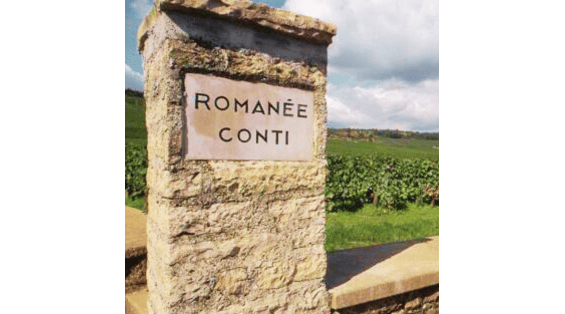
Domaine Raveneau is to Chablis what Romanée-Conti is to Vosne-Romanée: the undisputed benchmark by which all others are measured. Founded in 1948 by François Raveneau, it is now run by his sons Jean-Marie and Bernard with the same uncompromising standards. Its Grands Crus, Les Clos, Valmur and Blanchot, are among the world's most sought-after and expensive white wines. Production is so limited that bottles are almost impossible to find on the market.
Domaine Vincent Dauvissat: Purist elegance
A rival to Raveneau, often mentioned in the same breath by connoisseurs, Domaine Vincent Dauvissat produces wines of absolute purity and precision, perhaps even more taut and mineral than Raveneau's. Its Les Clos and Les Preuses Grands Crus, along with its La Forest and Séchet Premiers Crus, are wines of aristocratic elegance, organically farmed and produced in tiny quantities. They, too, are exceptionally rare on the market.
The Raveneau–Dauvissat rivalry is one of the great debates in Burgundy white wine tasting. According to their respective admirers, Raveneau is more powerful and complex, while Dauvissat is finer and more precise. In practice, both are extraordinary and almost impossible to find: buy them when you can.
The best Chablis vintages to know
|
Vintage |
A portrait of Chablis wines |
|
A sun-filled vintage. Rich, generous wines with vibrant fruit. Good natural acidity preserved despite the heat. Very promising for the Grands Crus. |
|
|
A great vintage, combining concentration and freshness. Beautiful Kimmeridgian minerality. Remarkable aging potential for the Grands Crus. |
|
|
A warm, generous vintage. Rich, opulent wines. Less taut than 2020 but highly appealing. Excellent for the Premiers Crus. |
|
|
Remarkable vintage. Acidity and richness in perfect balance. Consistently high quality across the appellation. Droin and William Fèvre are particular benchmarks. |
|
|
One of the best recent vintages. Tension and concentration. A notable rise in quality across the appellation. The Grands Crus will be exceptional. |
|
|
A vintage of freshness and tension. Raveneau Les Clos 2014: “Drink between 2020 and 2050” (Neal Martin, Wine Advocate). Extraordinary aging potential. |
|
|
A great classic. Raveneau Les Clos 2010: “A profound wine to savor over the coming decades.” Incomparable structure and minerality. |
|
|
A taut, mineral vintage with remarkable natural acidity. Raveneau Grand Cru Clos 2008 sold for €1,302 at auction. Aging potential of 30 years or more. |
|
|
A legendary vintage. Raveneau Blanchot 1990 sold for €1,565 at auction. These wines are still vibrant and fascinating, testament to the exceptional longevity of Chablis Grands Crus. |
How should you taste and pair Chablis?
Serving temperature
Serve your Chablis between 12 and 14°C. This is the ideal range for expressing both the mineral freshness and aromatic richness of Kimmeridgian Chardonnay. Too cold (below 10°C), and the aromas of hazelnut, linden blossom and smoke disappear. Too warm (above 15°C), and the wine loses its characteristic tension. For mature Grands Crus, aim for 13–14°C.
The glass: tulip-shaped or all-purpose
Avoid a champagne flute. Choose a Burgundy-style or all-purpose glass (Riedel, Zalto), whose open shape lets aromas of flint, candied lemon and hazelnut fully develop. For Grands Crus, let the wine warm in the glass for a few minutes before tasting.
Classic food and wine pairings
• Oysters and seafood : a timeless classic pairing. Chablis's natural salinity beautifully complements the briny character of oysters and shellfish.
• Fine fish: turbot, sole, salt-crusted sea bass and almond-crusted trout fillet; the richness of Chablis Grand Cru pairs well with firm-fleshed fish.
• Shellfish : lobster, langoustines and scallops; Premiers Crus and Grands Crus elevate these fine-food pairings.
• Poultry and white meat: Bresse chicken in cream sauce, veal sweetbreads and chicken in white wine, paired with Premiers Crus.
• Cheeses: Crottin de Chavignol (a classic regional pairing), fresh goat cheese and young Comté.
• Frog legs and Burgundy snails: traditional regional pairings with village-level Chablis and Premier Cru.
Frequently asked questions about Chablis wines
How many Grands Crus are there in Chablis?
Technically, there is only one Chablis Grand Cru, divided into seven climats: Bougros, Les Preuses, Vaudésir, Grenouilles, Valmur, Les Clos and Blanchot. All lie on a single 103-hectare hillside on the right bank of the Serein. There is also La Moutonne, a 2.35-hectare climat straddling Vaudésir and Les Preuses, recognized by the INAO but not officially classified as an eighth Grand Cru.
What is the best Chablis Grand Cru?
Les Clos is unanimously regarded as the benchmark Chablis Grand Cru. It is the largest (26 ha), the most powerful, the most mineral and the best suited to long aging (20–30 years for the finest cuvées from the best estates). Valmur often rivals it for first place thanks to its perfect balance. Vaudésir is often cited as the most elegant and floral.
What is the best Chablis estate?
Domaine Raveneau is universally recognized as the appellation's pinnacle: its Les Clos, Valmur and Blanchot Grands Crus fetch astronomical prices at auction (€1,000–€1,500 per bottle). Domaine Vincent Dauvissat rivals it with an equally extraordinary style. Among more accessible estates, William Fèvre and Louis Michel & Fils are outstanding benchmarks.
What is the difference between Chablis and Petit Chablis?
The difference is primarily geological. Petit Chablis is produced on Portlandian limestone soils, which are poorer in organic matter and lack the characteristic oyster fossils. Chablis (including the Premiers and Grands Crus) is produced on prized Kimmeridgian soils, a clay-rich limestone containing fossils of Exogyra virgula (tiny oysters). This difference in soil is directly reflected in wine quality: the higher appellation tiers offer greater minerality, complexity and aging potential.
How long can you keep Chablis?
How long a wine can age depends directly on its appellation tier. Petit Chablis should be drunk within 2–3 years. Village-level Chablis can be kept for 3 to 7 years. Premier Cru can age for 8 to 15 years. A Grand Cru from a top estate (Raveneau, Dauvissat) can last 20 to 30 years, or even longer in great vintages, as Raveneau Blanchot 1990 and Clos 2008 demonstrate.
Does Chablis pair well with oysters?
Chablis and oysters are one of the most classic and successful pairings in French cuisine. Chablis's briny minerality, attributed to Kimmeridgian limestone, perfectly complements the oysters' salinity. It is a harmony of terroir: oyster fossils in Chablis's soil echo the oysters on the plate. For this pairing, choose a village-level Chablis or Premier Cru; Grand Cru deserves more elaborate dishes.
Is Chablis aged in oak barrels?
It depends on the estate and appellation tier. Some estates (William Fèvre, Jean-Marie Brocard) occasionally use oak barrels for their Grands Crus and Premiers Crus, adding complexity and richness. Others (Louis Michel & Fils, La Chablisienne) vinify and age exclusively in stainless steel tanks, yielding wines with more direct fruit purity and minerality. Connoisseurs are divided on the issue: oak use is a matter of style, not an absolute measure of quality.


COLLECTION NEAR PARIS & VAT REFUND FOR TOURISTS
Free collection in our warehouse near central Paris (92)