Pommard: a guide to the finest wines from the heart of Burgundy
Key takeaways:
- Pommard is a flagship appellation of the Côte de Beaune, exclusively devoted to Pinot Noir, renowned for its full-bodied, structured and elegant red wines.
- Top 15 Pommard wines: Les Rugiens Bas, Les Epenots, Clos des Epeneaux, La Chanière, Les Pézerolles, Clos de la Commaraine, Les Grands Epenots, Les Fremiers, Les Arvelets, Noizons, Les Charmots, Les Bertins, En Largillière, Vaumuriens, Derrière Saint-Jean.
- The distinction between Pommard Village and Pommard Premier Cru influences the concentration, aromatic complexity and ageing potential:
- Village: accessible, fruity, 4 to 8 years of ageing.
- Premier Cru: powerful, structured, 8 to 20 years of ageing.
- The recently recommended vintages for the grands crus are 2010, 2015, 2019 and 2020.
- Prices vary according to classification and age and are most often within the following ranges: Village €40–70, Premier Cru €80–220, rare crus or old vintages €250 and above.
Discovering the finest Pommard wines means immersing oneself in one of the most emblematic red appellations of Burgundy's wine heritage. From elegant premiers crus to collector's ageing bottles, each bottle tells a unique story. The discerning enthusiast seeks the balance between complexity, reliable provenance and exceptional vintages. Tasting a Pommard always awakens the desire to explore renowned estates, in search of the bottle whose deep colour, subtle nose or structured palate will leave a lasting impression in the memory.
Pommard appellation: a unique terroir in the service of Pinot Noir
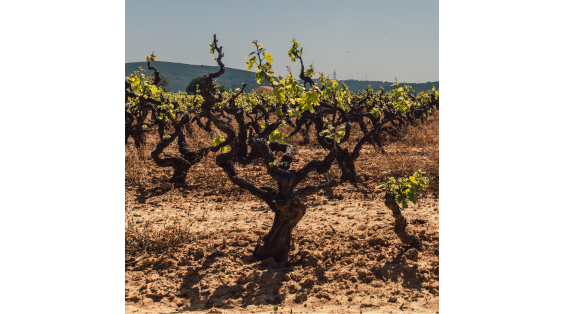
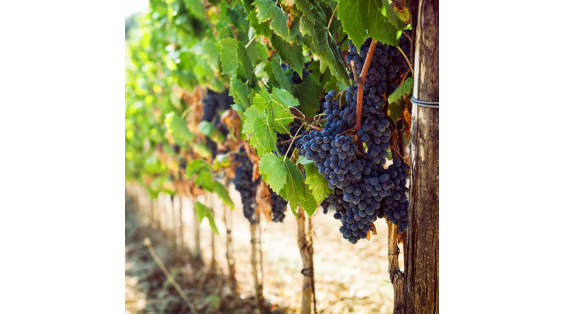
The Pommard appellation covers approximately 320 hectares between Beaune and Volnay, exclusively devoted to Pinot Noir. Here, the clay-limestone soil and the diversity of the plots shape full-bodied red wines with a dense structure. On the lower slopes, the fruitiness expresses itself fully; on the upper hillsides, tannic power and depth dominate, offering great variety within the wine selection.
This renowned territory of the Côte de Beaune has built its reputation around distinguished and characteristic crus. During a vertical tasting, one often finds the aromatic consistency of great vintages: black cherry, liquorice, gentle spices, musky notes evoking undergrowth or truffle over time. This is why a selection of Pommard wines remains essential for any lover of red Burgundy wines.
What are the criteria for a great Pommard wine?
Recognising a great Pommard wine relies on the homogeneity of the sensory palette. Its deep ruby colour heralds the tension of the substance, revealed from the very first nose: ripe dark fruits, delicate floral touches. On the palate, the power is accompanied by firm tannins that mellow with age. The finish is long, unveiling richness and finesse over time.
To feature in a Pommard top 15, one also examines the oak balance: the barrel ageing must preserve the subtlety of the Pinot Noir. A true wine guide highlights the precision of the aromas, the length on the palate and the ageing capacity. Certain crus stand out in great years such as 2010, 2015 or 2019, reinforcing their place among the finest Pommard wines.
The iconic estates of Pommard
- Domaine Comte Armand: Owner of the mythical Clos des Épenots (monopole and the most celebrated Premier Cru in Pommard alongside Les Rugiens). It is one of the most prestigious and sought-after names in Pommard.
- Château de Pommard: The most prominent estate and the largest single-owner clos in Burgundy (Clos Marey-Monge, ~20 ha). Very well known to the general public, long committed to organic/biodynamic farming, it often embodies the appellation on its own.
- Domaine de Courcel: A historic Pommard family, producing very classic, deep and exceptionally long-lived wines, particularly from the great climats (Rugiens, Épenots, etc.).
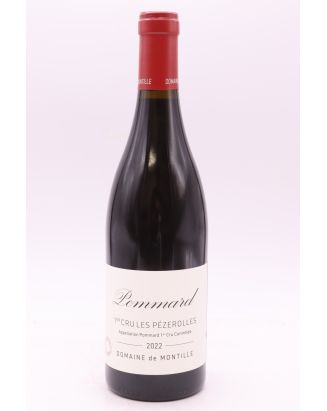
- Domaine de Montille: A benchmark estate in the Côte de Beaune, with excellent plots in Pommard: Les Rugiens-Bas (powerful and mineral), Les Pezerolles, Les Grands Épenots and the village Les Cras. An elegant, precise style, often with 100% whole clusters, producing wines that combine structure and finesse.
Top 15 of the finest Pommard wines: our expert selection
Here is our TOP 15 to explore the full diversity and excellence of the Pommard appellation within the context of Burgundy's wine heritage:
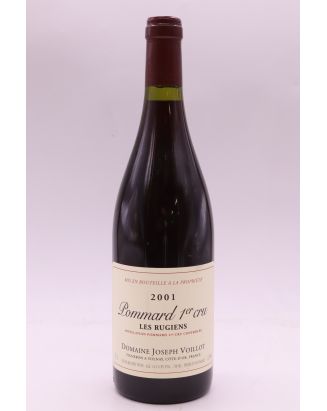
- Pommard Premier Cru « Les Rugiens Bas »: mineral intensity and chiselled tannins.
- Pommard Premier Cru « Les Epenots »: remarkable balance, great aromatic complexity.
- Pommard Premier Cru « Clos des Epeneaux »: indulgence, impressive length.
- Pommard Village « La Chanière »: accessibility, immediate charm.
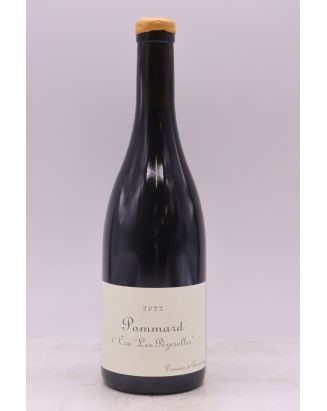
- Pommard Premier Cru « Les Pézerolles »: peppery notes, superb freshness.
- Pommard Premier Cru « Clos de la Commaraine »: suppleness, fruit maturity.
- Pommard Premier Cru « Les Grands Epenots »: impeccable structure, highly sought-after.
- Pommard Premier Cru « Les Fremiers »: finesse, intense garnet reflections.
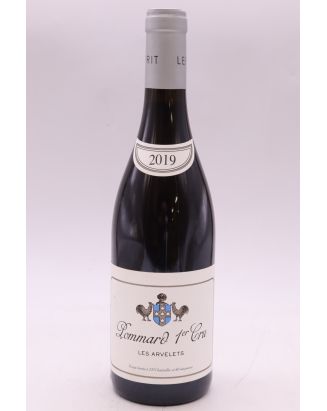
- Pommard Premier Cru « Les Arvelets »: ample palate, marked depth.
- Pommard Village « Noizons »: vivacity, interesting ageing potential.
- Pommard Premier Cru « Les Charmots »: controlled power.
- Pommard Premier Cru « Les Bertins »: classic Burgundian balance.
- Pommard Premier Cru « En Largillière »: distinctive floral bouquet.
- Pommard Village « Vaumuriens »: lively, ideal for discovering the appellation.
- Pommard Premier Cru « Derrière Saint-Jean »: originality, complexity, generous finish.
Tasting these cuvées in a real setting reveals their differences in expression. At the table, a Pommard Premier Cru pairs magnificently with a slow-cooked dish or refined game. This type of pairing elevates both the character of the wine and that of the cuisine, illustrating the art of tasting great Burgundy wines.
Focus on the storage and pricing of Pommard wines
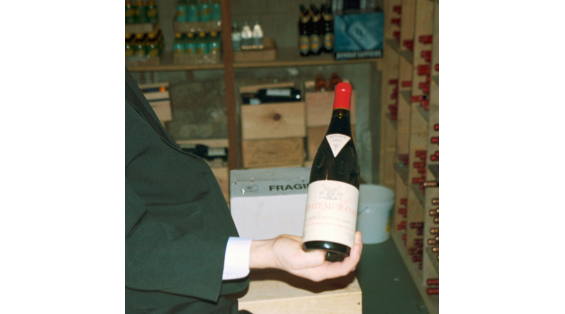
Storing a Pommard in the best possible conditions is essential to reveal its full potential. A constant temperature (12 to 14°C), total darkness and controlled humidity are recommended. Patience rewards the enthusiast: after a few years, you will discover tertiary aromas, a silky palate and a persistent finish, as with this Pommard « Clos des Epeneaux » 1999 tasted ten years after being cellared, remaining surprisingly young thanks to exemplary storage.
Certain Pommard wines represent a sound investment. Well-designed cellars protect against climatic variations. Check the corks regularly and favour individual racks to isolate your finest bottles, thereby guaranteeing the integrity of your wine selection.
What are the prices of the great Pommard wines?
The price of Pommard wines depends on the vintage, the classification (premier cru or village) and the reputation of the estate. For a "village", expect to pay between €40 and €70. A Pommard Premier Cru of fine origin frequently exceeds €100, or even €200. Rare cuvées or old vintages ranked among the finest Pommard wines sometimes reach extraordinary heights.
Here is a comparative overview:
|
Type
|
Average price
|
Ageing potential
|
|
Pommard Village
|
40-70 €
|
6–10 years
|
|
Pommard Premier Cru
|
80–220 €
|
12–25 years
|
|
Rare Pommard cru / old vintage
|
250 €+
|
20–30 years
|
For a successful tasting or to build up your cellar, choose a recognised supplier who guarantees traceability and optimal storage. This requirement ensures quality, whether you wish to open the bottle soon or wait a few more years.
Frequently asked questions about Pommard wines
What are the differences between a Pommard village and a Pommard premier cru?
A Pommard village comes from plots classified as "communal appellation", accessible, fruity, ideal for drinking young. The Pommard premier cru comes from terroirs recognised for their superior quality, yielding more structured wines suited to long ageing. This criterion makes all the difference in a wine guide.
- Pommard village: suppleness, immediate pleasure, best value for money.
- Pommard premier cru: complexity, power, enhanced longevity.
|
Category
|
Recommended maturity
|
|
Village
|
4–8 years after harvest
|
|
Premier cru
|
8–20 years after harvest
|
What food pairings suit a Pommard wine?
A Pommard naturally accompanies grilled or braised red meat, slow-cooked dishes such as beef bourguignon or coq au vin, as well as game birds. Some enthusiasts also appreciate the pairing with a mushroom risotto. This versatility makes it an asset at a dinner centred around a great red Burgundy wine.
- Game stew-style
- Beef Burgundy-style
- Roast turkey and root vegetables
How do you recognise a fine Pommard vintage?
Among the reference vintages, the years 2010, 2015, 2019 and 2020 stand out in specialist wine guides.
- Look for a deep ruby colour, a sign of concentration.
- Assess the aromatic complexity.
- Appreciate the length of the finish on the retro-olfaction.
|
Vintage
|
Main characteristic
|
|
2010
|
Finesse, balance
|
|
2015
|
Richness, concentration
|
|
2019
|
Fruit brilliance
|
|
2020
|
Freshness, energy
|
Why does Pommard so often feature in selections of wines for ageing?
Pommard possesses a tannic structure and aromatic depth that give it a remarkable ageing potential. Its dense substance evolves over time, releasing secondary aromas such as leather, truffle or humus. It thus becomes a privileged choice for enriching a cellar dedicated to red Burgundy wines.
- Balanced body and acidity
- Bouquet that evolves over time
- Patrimonial value for collectors