
 Personalise your experience




 Sign in
 Cart
0
Cart
0


The 2021 vintage: is it really that average?

The 2021 Vintage in France: the year of excesses!
The 2021 vintage in France was influenced by varied weather conditions depending on the region, resulting in contrasting outcomes across the vineyards. Overall, one can say that the year was marked by extreme meteorological phenomena, including late spring frost episodes, periods of intense heat in summer and variable rainfall during the grape-growing season.
In spring, many wine-growing regions were affected by late frosts, which were particularly devastating in certain areas such as Burgundy, the Loire Valley, and Bordeaux. These frosts damaged the buds and young shoots, thereby reducing the potential yield of the coming harvest.
In summer, certain regions experienced prolonged heat waves, which caused water stress in the vineyards and the risk of sunburn for the grapes. However, other regions benefited from more clement weather conditions, conducive to a progressive and balanced ripening of the grapes.
Rainfall during the summer season also played a crucial role, as excess water can dilute the concentration of aromas in the grapes and encourage the development of fungal diseases, while a lack of water can lead to a halt in grape ripening.
Overall, the 2021 vintage in France is characterised by great heterogeneity in terms of both the quality and quantity of the harvest, depending on the specific climatic features of each wine-growing region and the agricultural practices implemented to mitigate the effects of adverse weather conditions. Winegrowers had to demonstrate vigilance and adaptability in managing the meteorological challenges and producing quality wines in an ever-changing climatic context.
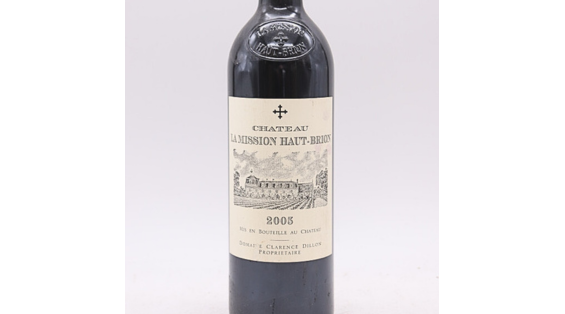
The 2021 vintage in Bordeaux
The 2021 vintage in Bordeaux was marked by varied weather conditions, with spring frost episodes and heavy rainfall in summer. However, the end of summer offered ideal conditions for the harvest, allowing the grapes to ripen fully. The harvest took place at more classic dates compared to previous years, with a slight delay relative to 2020.
Despite a lower harvest volume due to frost episodes and downy mildew attacks, Bordeaux winemakers were able to preserve the quality of the wines by carefully selecting the unaffected bunches. The sweet white wines particularly shone thanks to the climatic conditions favourable to noble rot, while the dry white wines also benefited from fine quality.
The harvest of red grapes took place later, yielding fruity, colourful and aromatic grape varieties, promising an encouraging vintage for Bordeaux red wines.
The quality of the vintage in Bordeaux is rather uneven: some producers managed to achieve fine results with low yields despite the meteorological challenges, others had very little harvest at all, and others still failed to make the most of the few rays of sunshine at the end of the growing cycle…
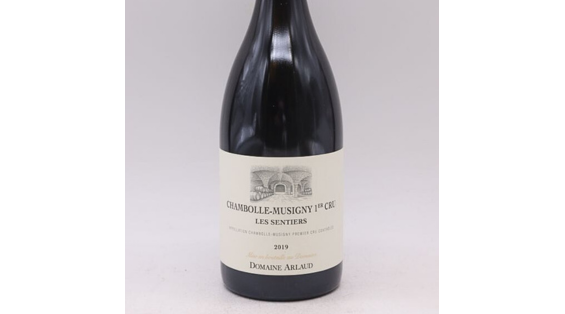
2021 in Burgundy
The 2021 vintage in Burgundy was a trying vintage right up to the very last day!
This vintage left an indelible mark on the memories and vines of Burgundy's producers, who faced capricious weather conditions throughout the year. After a cool start to the season through to March, April brought unexpected temperatures and devastating frosts, reducing yields and affecting berry size. The vine, affected by these climatic events, then struggled to resume its normal cycle, despite a persistently cool period in April and May. A respite arrived in June with more clement weather, favouring a successful flowering, but conditions deteriorated again in July and August, leading to further losses due to fungal diseases.
The harvest began in September, with the crémants in the Mâconnais and the still wines in the rest of the region. Unlike in previous years, it was the Pinot Noirs that were harvested first. Despite the challenges, the winemakers succeeded in producing quality juices by carrying out meticulous sorting.
The white wines of this vintage are a success, offering a fine, fruit-driven generosity and classic balances, with pronounced minerality in the Chablis area and more marked opulence in the Côte d'Or and the Côte Chalonnaise. The red wines, although less concentrated than in previous years, are moreish and seductive, with precise fruity notes and a balance between power and finesse. In summary, despite the meteorological challenges, the 2021 vintage gave birth to quality wines that reflect the unique character of Burgundy.
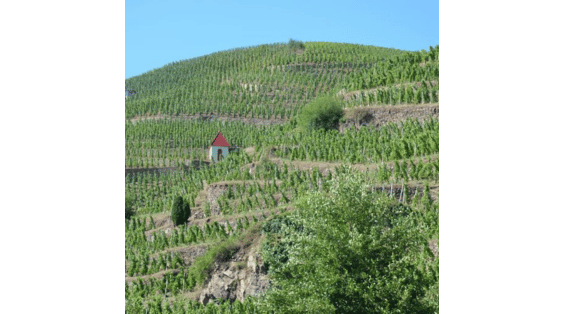
2021 in the Rhône
In the Northern Rhône, the 2021 vintage was marked by a return to more classic climatic conditions, less hot and dry than in previous years. Despite severe climatic events such as spring frost and heavy rainfall, the red wines stand out for their elegance and finesse. The syrahs display more moderate alcohol levels and balanced acidity, offering spice aromas with a voluptuous texture and silky tannins. The white wines also benefited from these conditions, with satisfactory ripeness levels and more digestible balances, offering freshness and directness.
In the Southern Rhône, frost and hail episodes marked the 2021 vintage, with variable impacts depending on the zones. Despite a mild summer period, grape ripening was slower than in 2020. The red wines, particularly the syrahs, stand out for their intense colour and rounded tannins, offering fresher profiles with crunchy fruit. The white wines are characterised by interesting balances, with refreshing acidity and vibrant fruity aromas, producing highly appreciated wines.
2021 in the Loire
The Loire wines of the 2021 vintage stand out for their fresh aromas while remaining true to their regional identity. Despite this, the year was far from restful for the Loire vineyards, affected by severe frost episodes in April, from the Centre-Loire to the Nantais region. Weather conditions, with abundant rainfall from May and especially in June, encouraged the spread of downy mildew and powdery mildew, requiring weeks of effort to combat. Cooler temperatures led to a slow ripening of the grapes, thus preserving good acidity levels. The harvest began in September and stretched through to the end of October, under the constant threat of adverse weather conditions. The red wines are characterised by their precise aromatic profile and appealing red fruit notes, offering more classic balances than in previous years. The white wines, notably the muscadet and sauvignon, display a fine aromatic breadth and assertive freshness. The sweet wines stand out for their aromatic complexity and a lively acidity that guarantees their capacity to age.
2021 in Champagne
First of all, it is worth recalling that the vast majority of Champagne bottles are not vintage-dated: they are most often blends of several vintages according to their gustatory qualities, either to maintain a house style or to achieve precise flavour profiles. Furthermore, since Champagne is a processed wine, one would need to taste a bottle of vintage Champagne at the end of its production cycle (which takes several years), or taste the still wine of the year in question before it is transformed into Champagne (which does not provide complete information), in order to have a truly precise idea of the quality of the Champagne vintage.
It is nevertheless important to recall that the Champenois had no respite either! Early budburst thanks to a warm March, numerous frost episodes in April (through to 3 May!) — highly damaging to the first inflorescences — then hail and rain, with the exception of June when the flowers were able to form. A sodden summer, devastating downy mildew particularly affecting the pinots, low yields… Rather complicated, then! Some winemakers will release vintage cuvées, but others will not take the risk!
The grandes maisons de Champagne nevertheless manage to maintain their house style thanks to their reserve wines. For grower Champagne, it is sometimes more complicated…
2021 in other regions
The vintage, as elsewhere, was complicated in the other wine-growing regions of France…
In Alsace, the vintage was marked by complex climatic conditions, with a warm early spring followed by frosts and downy mildew attacks in July. Despite a drastic drop in yields, the late harvests were saved by sunny weather in September and October, making it possible to produce quality wines — riesling in particular stood out. The muscats and sylvaners also offered a fine aromatic opulence, while the pinots appeared slightly below par in terms of quality.
In the Beaujolais, the vintage was also marked by difficult weather conditions, with frost episodes and rainfall records through to August. The harvest was late but benefited from an Indian summer, making it possible to achieve classic balances with easy-drinking, moreish gamays. Despite limited quantities, the best winemakers succeeded in producing elegant wines, particularly in the crus, with great ageing potential.
In the Languedoc, the weather was also difficult, resulting in below-average yields. Despite frost episodes in April and a cool, humid period through to July, the red wines stand out for their supple tannins and great freshness, while the whites offer interesting aromatic profiles with fine acidity.
In the Jura and Savoie, the 2021 vintage was difficult due to unfavourable climatic conditions, including episodes of frost and hail. The wines nonetheless display a fine aromatic typicity and freshness, although yields were reduced.
In Provence and Corsica, despite episodes of frost and rain in spring, the wines prove to be of good quality. The Provence rosés are vibrant and fresh, the whites are rounded and seductive, while the red wines offer freshness and precise red fruit aromas. In Corsica, despite the drought, the wines display fine freshness and interesting concentration, with whites marked by a lively acidity and elegant reds.
So…
Not so bad, 2021!
A slight preference for certain Burgundy wines, or indeed the Northern Rhône where the syrahs will be fairly light but well-crafted and where the whites are of great quality, or perhaps the sweet wines of the Loire if that is what you are looking for…
To enjoy wines from this vintage, you really need to look carefully at the appellation, as well as the colour!
2021, excesses of all kinds: too much frost, too much rain and too much heat — BUT, a great deal of work for many winemakers who managed to produce beautiful things.
Excesses to be minimised in 2022 in order to make good resolutions!


COLLECTION NEAR PARIS & VAT REFUND FOR TOURISTS
Free collection in our warehouse near central Paris (92)