|
|
|
Must-See Châteaux |
|
|
|
|
|
|
|
|
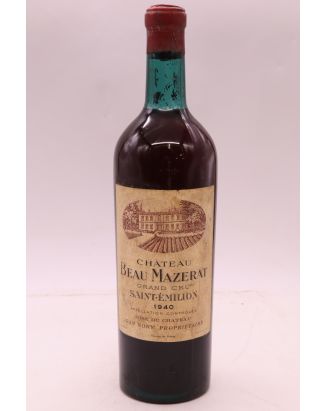
The 1940 vintage of Bordeaux stands as a testament to resilience and quality in the face of adversity. Produced during a tumultuous period in history, this vintage comes from a region under pressure, yet it yielded wines of surprising elegance and charm. Despite challenges such as a shortage of labour and the impacts of war, the 1940 Bordeaux vintage offers a remarkable snapshot of a growing season that defied all predictions. Wine lovers in search of a piece of history will find the 1940 Bordeaux vintage captivating for its rarity and the unique story behind each bottle. With a harvest beginning in late September and producing wines of notable quality, this vintage remains a treasure for collectors and a conversation piece for any cellar.
The 1940 growing season in Bordeaux unfolded against unpredictable weather conditions, but it ultimately favored the vines. January brought biting cold, the harshest since 1917 according to historical records, posing an initial challenge. Late February brought spring-like warmth that encouraged early bud swelling, although a chilly March and April slowed progress with near-freezing temperatures. In mid-May, milder conditions arrived, coinciding with the first flowers in late May, and full flowering peaked on June 7 under warm and pleasant skies. July introduced mildew risks with its variable weather, but August reversed the trend, bringing warmth reaching 31°C (88°F) and dry days that set the stage for ripening. September maintained this warmth, allowing harvesters to begin around mid-September, with the heart of the harvest starting on September 26. Although October brought gloomy weather to close the season, the benevolent August ensured that the 1940 Bordeaux vintage retains its promise, making it a must for wine vintage ratings.
On the Left Bank of Bordeaux, the 1940 vintage shines with a discreet grace that reflects its difficult birth. The Médoc, despite occupation and occasional destruction, produced wines with delicate structure and surprising freshness. A notable example is Pichon-Lalande 1940, which revealed sorbet-like vibrancy decades later, demonstrating this vintage's potential to age with elegance. Harvest began around September 17 at estates such as Montrose, and although yields were modest due to labor shortages, the quality impressed early tasters by November. The warm days of August concentrated flavors, giving these wines a subtle richness that appeals to those buying 1940 Bordeaux for its historical appeal. Although few bottles remain today, the Left Bank offerings of this vintage carry a legacy of perseverance, perfect for Bordeaux wine collectors seeking a rare gem.
The Right Bank of Bordeaux in 1940 delivered wines that, while not destined for long aging, intrigue with their historical context and ephemeral charm. Pomerol and Saint-Émilion saw significant acquisitions, with millions of bottles from this vintage, suggesting its initial appeal. Clinet 1940, for example, remains a curiosity, offering a glimpse of the resilience of the region's winemakers. Full flowering in early June under warm conditions laid solid foundations, and the dry weather in September helped ripen the grapes, although mildew in July reduced yields. These Right Bank wines lean toward lighter, more delicate profiles, making them a unique addition to any collection of 1940 Bordeaux bottles. For buyers exploring wine vintage ratings, the Right Bank production of this year is a fascinating chapter in Bordeaux's prestigious history.
In Sauternes, the 1940 vintage tells a story of promise tempered by nature's whims. The early passes in late September suggested concentrated sweetness, supported by the warm and dry conditions of late summer. However, persistent rains throughout October dashed hopes for a robust yield, resulting in limited production of these coveted sweet wines. What was produced, such as Suduiraut 1940, clings to life tenaciously, offering a delicate balance that intrigues Bordeaux wine enthusiasts. The cold and wet late season prevented the full development of noble rot, but the surviving bottles carry a haunting beauty. For those looking to buy 1940 Bordeaux, the Sauternes of this year are a rarity, embodying the vintage's ability to triumph over adversity.
Critics and historians have praised the 1940 Bordeaux vintage for its unexpected quality. The Tastet-Lawton archives express satisfaction with the wines, noting their promise despite the war's disruptions. Early tastings in November 1940 revealed surprising depth, thanks to August's warmth, with some Left Bank reds like Pichon-Lalande receiving praise for their ethereal freshness years later. Clinet from the Right Bank, though faded, remains a point of curiosity, and Suduiraut from Sauternes has been praised for its stubborn endurance. For wine vintage ratings, 1940 Bordeaux earns its place as a remarkable anomaly, blending historical significance and real tasting pleasure. These observations make it a compelling choice for anyone wishing to buy 1940 Bordeaux wines.
Why choose the 1940 Bordeaux vintage? It's a rare opportunity to own a piece of winemaking history, crafted under extraordinary circumstances but brimming with character. These wines, from the elegant Left Bank reds to the delicate Right Bank offerings and rare Sauternes, offer a taste of resilience and rarity that few vintages can match. Perfect for collectors or enthusiasts, 1940 Bordeaux wines bring a story to every glass, their limited availability only increasing their appeal. Whether you're drawn to their surprising freshness, their historical intrigue or the uniqueness of a wartime vintage, buying 1940 Bordeaux means securing a treasure that stands out. Explore our selection and buy 1940 Bordeaux at the best price today, adding a legendary vintage to your collection.
COLLECTION NEAR PARIS & VAT REFUND FOR TOURISTS
Free collection in our warehouse near central Paris (92)