Personalise your experience
Change your country, language and currency here whenever you wish.
|
|
|
Must-See Châteaux |
|
|
|
|
|
|
|
|
Domaine Tour du Bon in Provence: exceptional Bandol wines
Perched in Le Brûlat du Castellet, at the far northwestern edge of the Bandol appellation, Domaine de la Tour du Bon cultivates some 15 hectares in a natural amphitheater swept by the mistral and bathed in more than 300 days of sunshine a year. Since 1989, Agnès Henry-Hocquard has managed this certified organic vineyard with a commitment to producing less, but producing it well. Her Bandol wines, shaped by the distinctive character of Mourvèdre, stand out for their delicacy, drinkability and ability to age without ever veering into excessive ripeness, extraction or oak influence.
The site takes its name from a watchtower once built on its highest point to protect the village of Le Castellet—a fitting omen for an estate destined to cultivate the good. Its winegrowing story began in 1925, when the Mauric family acquired some 15 hectares here and gradually replaced the olive trees with rows of vines. The creation of the Bandol appellation in 1941 persuaded the owners to shift from table grapes to producing a true red wine, labeled first Cru du Castellet, then Domaine de la Tour du Bon from 1955 onward.
In 1968, Claude and Robert Hocquard, Parisians captivated by this peaceful place and its open views, bought the property. They removed the old plantings and, starting in 1970, replanted with mourvèdre and carignan, emblematic grapes of the appellation. The estate began attracting attention in the mid-1980s, notably with the creation of the Saint-Ferréol cuvée in 1987. In 1989, their daughter Agnès, born in Paris in 1962 and originally an engineer in the dairy industry, returned to her roots to take up the family mantle. She learned the trade on the job, drew on the expertise of Loire Valley winemakers Thierry Puzelat and Antoine Pouponneau, and took the estate to a new level. The vineyard was certified organic in 2014, and Agnès Henry-Hocquard has become one of Bandol’s leading women in wine.
Situated on a plateau at an elevation of around 150 meters, the estate occupies one of Bandol’s earliest-ripening areas, thanks to a distinctive terroir of limestone and sandy bedrock with pockets of iron-rich clay. The plots bear names that tell the story of the place: La Rémoise, Saint Ferréol, l’Ensoleillade, le Clos des Aïeux, l’Aire and Bellevue, each with a different exposure. Sheltered by mountains to the north and open to the Mediterranean, they form a protected amphitheater where the mistral and sea spray naturally help keep the vineyard healthy and reduce disease pressure.
The grape varieties faithfully reflect the appellation’s tradition: clairette verte, rolle and ugni blanc for the whites; mourvèdre, grenache noir, cinsault and carignan for the rosés and reds. Some of the vines come from massal selections made on the property. The soils are worked mechanically, with soil pulled away from the vines and plowed, without chemical herbicides, while treatments are kept to a strict minimum. The grapes are harvested entirely by hand into 15-kilogram crates so they are never crushed before reaching the winery. Across just 14 to 17 hectares, the estate produces small quantities, consistently prioritizing precision over volume.
The winery perfectly illustrates Agnès Henry-Hocquard’s philosophy: intervene as little as possible and let the terroir speak. Fermentations begin with native yeasts, extraction remains gentle, and aging is handled with restraint to preserve fruit and freshness. The addition of new large oak casks, on the advice of her Loire Valley winemakers, has made the wines noticeably more drinkable and given her greater control over aging. The wines gain delicacy while retaining a strong personality and excellent aging potential.
The winery uses a variety of vessels: concrete tanks, large oak casks and terracotta amphorae. Inspired by her meeting with Italian winemaker Elisabetta Foradori, Agnès Henry began experimenting with vinifying mourvèdre in clay jars in 2013. Today, eight gently rounded amphorae, brought from La Mancha via Trentino, hold these grapes each year for about six months of infusion. Far removed from classic Bandol, the result reveals unexpected freshness of fruit and a finely textured palate, free of artifice. This constant curiosity regularly leads the estate to create unconventional small-production cuvées.
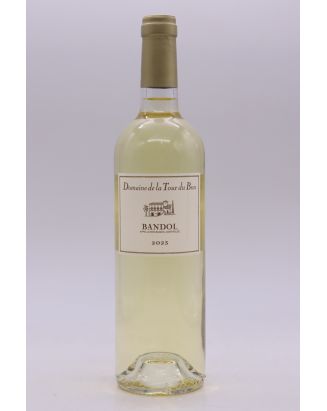
Bandol white: a blend of clairette verte, rolle and ugni blanc, gently vinified to preserve its aromatic vibrancy. Fresh and fragrant, it offers notes of anise, quince, white flowers and citrus, with a taut, saline palate. A food-friendly white ideal with shellfish, grilled fish and Provençal cuisine.
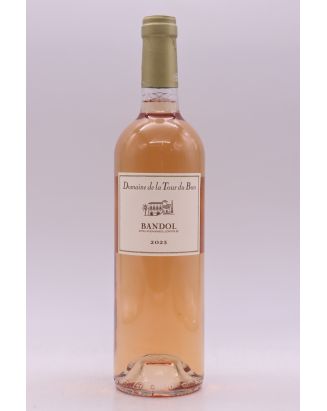
Bandol rosé: made primarily from mourvèdre, complemented by cinsault and grenache, it is a decisive departure from pale, unremarkable rosés. Full-bodied and generous, it combines fresh red fruit, gentle spice and a pleasing, refined bitterness. Its structure allows it to accompany an entire meal and age for two or three years without losing its appeal.
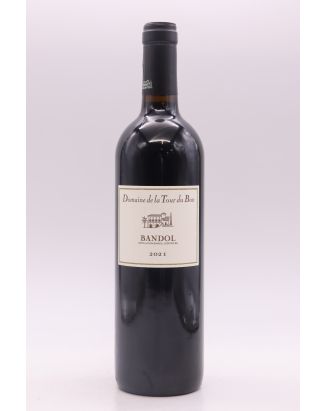
Bandol red: the estate’s core cuvée, dominated by mourvèdre and complemented by grenache, cinsault and carignan. Aged in large oak casks and concrete tanks, it faithfully expresses this higher-altitude terroir: black fruit, garrigue herbs, pepper and leather unfold over fine tannins and remarkable freshness. A balanced Bandol that is never showy and ages gracefully for around ten years.
Saint Ferréol: the estate’s flagship cuvée, created in 1987 from three little-known plots planted around a hill dating back 20 million years. Sun-drenched, powerful and firmly structured, this red nonetheless retains rare finesse, with a deep mineral backbone and impressive length. The property’s quintessential wine for aging, best left for several years.
Rêvolution: a Bandol red made in a more immediately approachable style, designed to be enjoyed at the table without waiting. It has crisp fruit, supple tannins and a saline finish. Its airy style reflects Agnès Henry’s desire to steer her range toward wines that are easier to drink.
En Sol: the experimental cuvée that became an emblem of the estate, born of the meeting with Elisabetta Foradori. It is made exclusively from mourvèdre grown on the iron-rich clay plot of l’Ensoleillade, then vinified and aged in terracotta amphorae for about six months of infusion. Classified as IGP Méditerranée, the wine reveals unexpected suppleness and finesse, with vibrant freshness of fruit that runs counter to traditional Bandol.
Retour du Bon: an IGP Méditerranée cuvée conceived as a welcoming introduction to the estate’s wines. Fruity, supple and refreshing, it is best enjoyed young and slightly chilled, with charcuterie, grilled dishes or Mediterranean vegetables.
COLLECTION NEAR PARIS & VAT REFUND FOR TOURISTS
Free collection in our warehouse near central Paris (92)