Jacques Lassaigne

Jacques Lassaigne, an unadorned Champagne estate

Wines from Champagne Jacques Lassaigne: buy at the best price

In the south of Champagne, in Montgueux, in the Aube, the Jacques Lassaigne family estate has been tending its 4 hectares of vines since 1964. The chardonnay vines, averaging 40 years of age, flourish here amid the Côte des Bar where pinot noir remains dominant. This limestone hill with its cool climate, overlooking the Seine valley, has earned Montgueux the nickname of the Montrachet of Champagne, in reference to the famous hill of the same name in Burgundy.

Read more
See more
Filters

Price

€40.00 - €120.00

Appellation

Bottle size

Parker WA rating

91 - 96

Burghound rating

No options available for this group

Revue du Vin de France rating

No options available for this group

Bettane & Desseauve rating

No options available for this group

Prices drop

No options available for this group

Download this list
There are 5 products.
Download this list
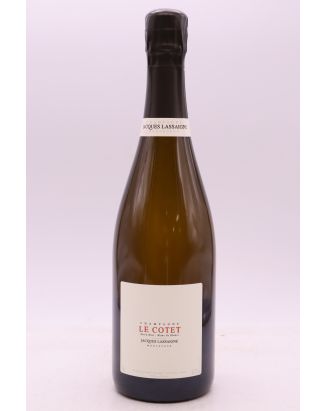
Jacques Lassaigne Le Cotet Blanc de Blancs
6 in stock
118345
White
75cl
92/100
15/20
Add to cart
Champagne | Champagne

Jacques Lassaigne Blanc de Blancs Le Cotet Extra Brut

€78.00 inc-VAT per bottle
€65.00 ex-VAT
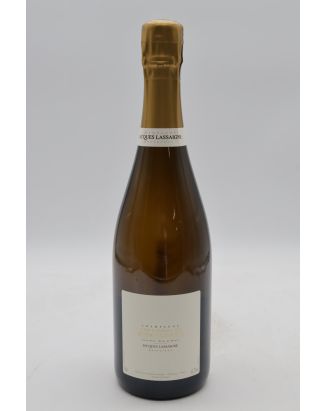
Jacques Lassaigne Blanc de Blancs Le Cotet Extra Brut
Bio
3 in stock
126932
White
75cl
Very slightly damaged
Add to cart
Champagne | Champagne

Jacques Lassaigne Blanc de Blancs Le Cotet Extra Brut

€78.00 inc-VAT per bottle
€65.00 ex-VAT

Jacques Lassaigne Blanc de Blancs Les Vignes de Montgueux
30 in stock
131745
White
75cl
92+/100
Add to cart
Champagne | Champagne

Jacques Lassaigne Blanc de Blancs Les Vignes de Montgueux

€48.00 inc-VAT per bottle
€40.00 ex-VAT
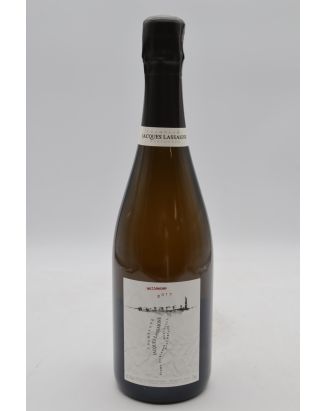
Jacques Lassaigne Blanc de Blancs Millesime 2017
3 in stock
131746
White
75cl
Add to cart
Champagne | Champagne

Jacques Lassaigne Blanc de Blancs Millésime 2017

€102.00 inc-VAT per bottle
€85.00 ex-VAT
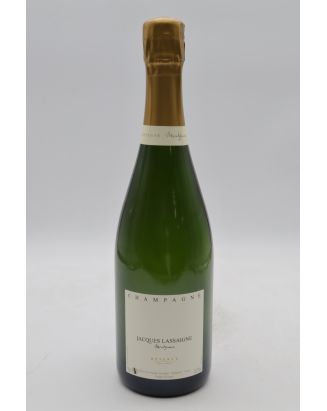
Jacques Lassaigne Réserve Extra Brut
33 in stock
131744
White
75cl
Add to cart
Champagne | Champagne

Jacques Lassaigne Réserve Extra Brut

€42.00 inc-VAT per bottle
€35.00 ex-VAT

History of Champagne Jacques Lassaigne

The estate’s history is inseparable from Montgueux’s revival. Ravaged by phylloxera in the late 19th century, the hill was abandoned altogether for nearly eighty years before a handful of winemakers began planting there again in the 1960s. Jacques Lassaigne was one of those pioneers: he planted Le Cotet, the estate’s first parcel, on the easternmost part of the slope. For decades, Montgueux grapes served mainly as a prized component in the blends of the major houses, without the village’s name ever appearing on a label.

Everything changed in 1999, when Jacques’s son Emmanuel, known to everyone as Manu, took over the family property. Convinced that this terroir deserved recognition in its own right, he stopped using chemicals, relied exclusively on old vines, vinified each parcel separately, and gradually dispensed with the supports of conventional Champagne winemaking. Over some twenty years, he put Montgueux on the world map of grower champagne and became one of the region’s most admired figures. His guiding principle is simple: capture and preserve the aromas of the terroir, and nothing else.

Terroirs and Vineyards of Champagne Jacques Lassaigne

Montgueux is a remarkable geological anomaly. Although administratively part of the Aube, the hill lies well away from the Côte des Bar, whose Kimmeridgian marl soils are largely devoted to Pinot Noir. Here, a seam of chalk reaches the surface, closely resembling the chalk that runs through the Côte des Blancs and Le Mesnil-sur-Oger, explaining the site’s natural affinity for Chardonnay. The slope benefits from a favorable southeast exposure and a microclimate that allows high ripeness while preserving lively acidity.

The estate farms just four to five hectares, supplemented by grapes carefully selected from the same hill. Its parcels are numerous and fragmented. Chardonnay predominates, with a few rows of Pinot Noir reserved for rosé cuvées and blancs de noirs. Notable lieux-dits include Le Cotet, planted by Jacques Lassaigne in the 1960s and now home to vines more than fifty years old; Clos Sainte-Sophie, planted between 1968 and 1973 in the center of the vineyard on a historic 19th-century grafting and horticultural research site; and Les Chères Vignes, old vines on chalk held under a long-term lease. Soil work is minimal and done by hand beneath the rows; grass is allowed to grow and then rolled flat to form a protective mulch, while many of the vines are braided rather than trimmed.

Winemaking at Champagne Jacques Lassaigne

The grapes are harvested by hand at full ripeness, parcel by parcel. They are destemmed and gently pressed; sulfur is added only at the press, never again during blending. Each lot is kept separate, allowing for exceptionally nuanced blends or single-parcel bottlings. Malolactic fermentation is always allowed to finish, bringing stability and a creamy texture without ever weighing down the wine.

Aging combines stainless steel tanks and both new and used barrels over twelve to twenty-four months, depending on the cuvée. The classic blends are aged mostly in tanks, with a small proportion of oak to develop texture, while two tiny-production cuvées, La Colline Inspirée and Clos Sainte-Sophie, are aged entirely in barrels. Secondary fermentation uses a deliberately reduced amount of sugar, producing fine, subtle bubbles. The wines are neither fined nor filtered, disgorgement is done by hand, and most cuvées are released without any dosage, as extra-brut or brut nature. Bottle aging lasts from one to five years before release, sometimes longer for cuvées intended for cellaring.

The Cuvées of Champagne Jacques Lassaigne

Les Vignes de Montgueux, Extra Brut Blanc de Blancs: the estate’s signature cuvée and its finest introduction. It blends seven to nine distinct parcels and three successive vintages into a remarkably precise 100% Chardonnay. The nose combines green apple, white peach, fresh bread, and pastry cream over a chalky backdrop. The palate is taut and refined, driven by vibrant acidity and flavors of citrus and orchard fruit, before a long mineral finish. Ideal as an aperitif or with oysters and seafood; also available in magnums.

Le Cotet, Extra Brut Blanc de Blancs: the house’s flagship single-parcel wine, from the first lieu-dit planted by Jacques Lassaigne in the 1960s, at the eastern edge of the Montgueux vineyards. The vines, more than fifty years old, reach deep into the chalky slope. Made using a bottle-based solera approach with a substantial proportion of reserve wines, the cuvée combines chalky freshness with remarkable autolytic development. Incisive mineral notes, rich salinity, and a lemony finish. An ideal partner for shellfish.

La Colline Inspirée, Extra Brut Blanc de Blancs: a tiny-production cuvée aged entirely in barrels, blending four different vintages vinified separately. Emmanuel Lassaigne likes to point out that blending in Champagne is usually used to reproduce the same wine year after year, whereas here he uses it as a creative tool. Fleshy and creamy on entry, the palate moves toward citrus and acidity before a distinctly mineral finish. A rare, highly sought-after cuvée.

Clos Sainte-Sophie, Blanc de Blancs Brut Nature: a vintage single-parcel wine from a walled vineyard in the heart of the Montgueux vineyards, planted between 1968 and 1973 on a historic grafting site. Only vines more than forty years old are harvested. Aged entirely in barrels with no dosage, this singular cuvée offers a strikingly deep and precise expression of the hill’s chalky terroir.

Clos Sainte-Sophie Rosé: the rosé expression of the clos, made from Pinot Noir grown in the same parcel. Produced in extremely limited quantities, it combines the grape’s delicate fruit with the saline structure of Montgueux chalk, in a vinous, food-friendly style far removed from conventional aperitif rosés.

Millésime, Extra Brut Blanc de Blancs: made only in years deemed worthy, this cuvée captures the character of a single harvest without the influence of reserve wines. Montgueux Chardonnay reveals its sun-ripened character and bracing acidity, with considerable aging potential. A bottle for the table and the cellar.

Les Papilles Insolites, Extra Brut Blanc de Noirs: a distinctive cuvée in the range, made from 75 to 100% Pinot Noir and released only in tiny quantities, exclusively in magnums. It reveals another side of Montgueux, fleshier and spicier, while retaining the chalky tension that defines the estate. A collector’s bottle for lovers of rare champagnes.

Rosé de Montgueux: the estate’s rosé, made from Pinot Noir grown on the hill with the same low-intervention approach as the whites. With no dosage, it appeals with its fresh red berry flavors, silky texture, and saline finish. A grower rosé to serve with a meal rather than simply as an aperitif.

Soprano, Alto, and Ténor: a series of cuvées distinguished not by parcel or vintage but by aging method, an exceptionally rare approach in Champagne. Each bottle offers a stylistic variation on the same raw material, from the lightest to the most profound expression, making it possible to appreciate the influence of the vessel and length of aging on the wine.

Limited-release cuvées and Coteaux Champenois: Emmanuel Lassaigne regularly releases experimental cuvées of just a few hundred bottles, sometimes aged in unusual vessels such as barrels previously used for Jura vin jaune. He also makes a highly regarded Coteaux Champenois, a rare, limited-production still wine released only in favorable vintages, showcasing the potential of Montgueux Chardonnay without bubbles.

WHAT THEY SAY ABOUT US

5 good reasons to buy wines on V&M

...

EXPRESS DELIVERY

In a secure polystyrene packaging

...

INTERNATIONAL SHIPPING

Find out more about VAT-EX sale for outside EU deliveries

...

COLLECTION NEAR PARIS & VAT REFUND FOR TOURISTS

Free collection in our warehouse near central Paris (92)

...