Dehours & Fils

Champagne Dehours et Fils wines: buy at the best price

Located in Cerseuil, in the commune of Mareuil-le-Port, about fifteen kilometers from Épernay, Champagne Dehours & Fils is one of the benchmark producers of the Marne Valley. For four generations, the family has cultivated a mosaic of more than forty plots on the left bank, where the meunier grape reigns supreme. Under the direction of Jérôme Dehours, the estate has built its reputation on parcel-by-parcel vinification, a perpetual reserve initiated in 1998, and very low dosages. The result is lively, indulgent, and textured terroir champagnes, complemented by a fine range of Coteaux Champenois.

Read more
See more
Filters

Price

€20.00 - €120.00

Appellation

Volume

Parker WA rating

87 - 95

Burghound rating

No choice available on this group

Revue du Vin de France rating

No choice available on this group

Bettane & Desseauve rating

15 - 17

Prices drop

No choice available on this group

Download this list
There are 7 products.
Download this list
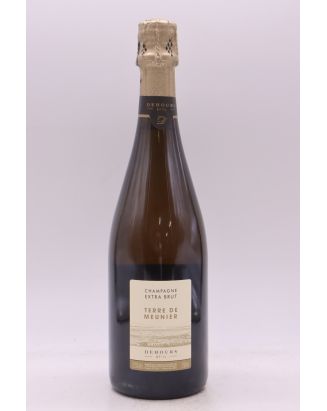
Dehours Extra Brut Terre de Meunier
3 in stock
94311
White
75cl
15/20
15.5/20
Add to cart
Champagne | Champagne

Dehours Extra Brut Terre de Meunier

€43.20 inc-VAT per bottle
€36.00 ex-VAT
Dehours & Fils Extra Brut Terre de Meunier
5 in stock
106915
White
75cl
Disgorged 2023
Add to cart
Champagne | Champagne

Dehours & Fils Extra Brut Terre de Meunier

€43.20 inc-VAT per bottle
€36.00 ex-VAT
Dehours and Sons Maisoncelle 2007
New
1 in stock
131847
White
75cl
Disgorged november 2015
15.5/20
Add to cart
Champagne | Champagne

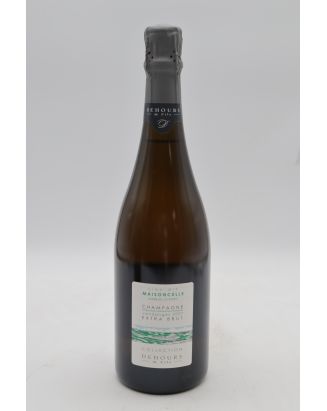
Dehours et Fils Maisoncelle 2007

€114.00 inc-VAT per bottle
€95.00 ex-VAT
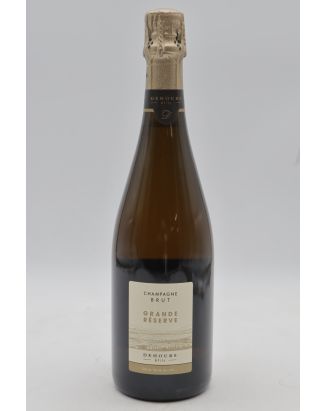
Dehours Brut Grande Réserve
New
24 in stock
132436
White
75cl
Disgorged 2024
87/100
93/100
15/20
15/20
Add to cart
Champagne | Champagne

Dehours Brut Grand Reserve

€36.00 inc-VAT per bottle
€30.00 ex-VAT
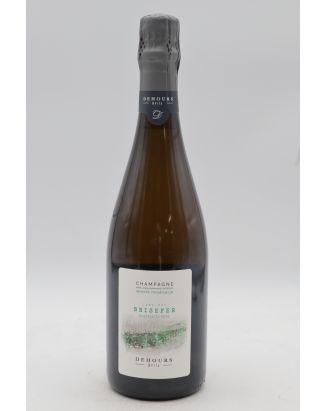
Dehours Extra Brut Brisefer
New
11 in stock
132434
White
75cl
Disgorged 2023
95/100
16/20
17/20
Add to cart
Champagne | Champagne

Dehours Extra Brut Brisefer

€66.00 inc-VAT per bottle
€55.00 ex-VAT
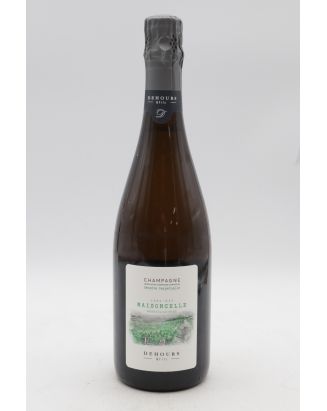
Dehours Extra Brut Maisoncelle
New
12 in stock
132437
White
75cl
Disgorged 2022
89/100
16.5/20
Add to cart
Champagne | Champagne

Dehours Extra Brut Maisoncelle

€72.00 inc-VAT per bottle
€60.00 ex-VAT
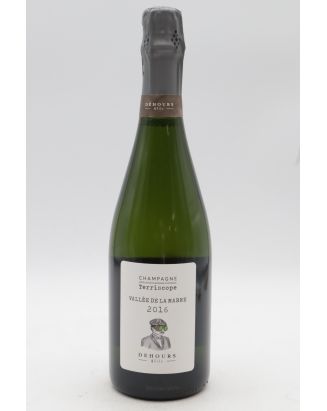
Dehours Extra Brut Terriscope Vallée de la Marne 2016
New
24 in stock
132435
White
75cl
Disgorged 2022
Add to cart
Champagne | Champagne

Dehours Extra Brut Terriscope Vallée de la Marne 2016

€48.00 inc-VAT per bottle
€40.00 ex-VAT

The History of Champagne Dehours & Fils

The Dehours family has been based in Cerseuil, in the Marne Valley, for four generations. The current winemaker’s grandfather was among the region’s pioneering grower-producers, at a time when nearly the entire harvest went to the Champagne houses. He was already identifying certain slopes as exceptional terroirs and making his top cuvée from them, sometimes even still wines, long before Coteaux Champenois came back into fashion.

After studying at wine schools in Beaune and Avize, Jérôme Dehours took over the family estate in 1996. Drawing on both Burgundian and Champenois traditions, he adopted a decidedly plot-focused approach: in 1999, he began by vinifying La Croix Joly separately, then gradually extended the practice to the property’s finest vineyard sites. In 1998, he also established a perpetual reserve, a liquid record of the estate that would become the backbone of several cuvées. Working alongside his brother-in-law Jean-Marc Laisné, he now runs an estate certified Haute Valeur Environnementale, recognized for the precision of its blends and its work with still wines.

Terroirs and Vineyards of Champagne Dehours & Fils

The vineyard covers approximately fourteen to sixteen hectares, divided into more than forty plots across three crus in the Marne Valley: Mareuil-le-Port, Œuilly and Troissy. All lie on the left bank, where the vines root in clay and sandy soils over limestone bedrock. This diversity of exposures, elevations, geology and vine ages provides the estate’s raw material, with each slope leaving its signature on the wines.

Meunier, the valley’s defining grape, accounts for about 59% of the plantings, or nearly eight hectares, alongside four hectares of chardonnay and two hectares of pinot noir. A few pinot blanc and petit meslier vines also grow among the mixed plantings in older plots. Key vineyard sites include Brisefer, the estate’s oldest vineyard, with massal-selection chardonnay planted in part in 1947 on east-facing red clay; Les Genevraux, massal-selection chardonnay planted in 1972 on highly draining clayey sands at an elevation of 120 meters; La Croix Joly, massal-selection meunier planted in 1979 on clay and limestone gravel on a gentle north-facing slope; and Maisoncelle, a long, 250-meter plot above Port à Binson, on clay-loam soil with very little limestone and notably rich in iron. Vineyard management favors natural ground cover, mechanical cultivation of the soil and biodiversity.

Winemaking at Champagne Dehours & Fils

Everything starts with the plot: each named vineyard site is pressed and vinified separately, allowing for exceptionally precise blends or single-plot bottlings. The blended cuvées are mostly aged in tanks, while wines from individual sites ferment and age in wood, in old barrels and large casks of 200 to 500 liters. This carefully managed aging adds texture without imparting a pronounced wood character. Malolactic fermentation is always allowed to run its course, giving the champagnes a silky roundness while preserving their energy.

The house’s hallmark is its perpetual reserve, begun in 1998 on the solera principle: each year, a new vintage is added to the reserve, with the older wines lending depth to the younger ones. This reserve gives Grande Réserve its mellow character and makes up the entire Trio S cuvée. Since 2013, separate perpetual reserves have even been created for each single-plot wine to smooth out vintage differences in a northerly climate. Bottle maturation is lengthy: eighteen to thirty months for the freshest cuvées, forty-two to fifty-four months for the solera, and up to eight years for the vintage cuvée. Dosages are low or nonexistent, with some cuvées released without any dosage liqueur at all.

The Cuvées of Champagne Dehours & Fils

Grande Réserve Brut: the estate’s signature cuvée, built around a predominance of meunier, complemented by chardonnay and pinot noir depending on the year. A substantial share of the blend comes from the perpetual reserve begun in 1998, bringing a mellow complexity rarely found in this category. The result is a generous, fruity and deep champagne, with a lively, mineral palate, often disgorged without dosage despite its Brut label.

Les Vignes de la Vallée Brut: a blended cuvée bringing together several Marne Valley slopes to offer a broad view of the estate. Predominantly meunier, it emphasizes freshness, crisp fruit and immediate approachability, with fine bubbles and a mouthwatering finish. A champagne for the table and for sharing.

Terre de Meunier Extra Brut: a tribute to the valley’s signature grape, this 100% meunier blends wines from two hillside vineyards with opposite exposures—south-facing Le Patis de Cerseuil and north-facing Les Vignes dans le Bois—across two consecutive harvests. A small proportion of reserve wines vinified and aged in barrels adds depth. The fruit is pure, with citrus notes accented by a hint of smoke and brioche, and a rounded, saline finish. Superb with oysters and sushi.

Les Côtes: a blended cuvée from the estate’s hillside vines, designed to express the verticality and tension of well-exposed midslope sites. A portion of wines aged in wood gives it body, while the underlying limestone lends focus and length.

Œil de Perdrix Extra Brut: a blended rosé with a very pale color, achieved by combining a selection of white and red wines from several meunier plots, sometimes with a little pinot noir, and chardonnay. Made in a youthful style with a very low dosage, it favors elegance and fruit over power. Fresh, delicate and food-friendly.

Le Millésime: unlike the other cuvées, blended according to a structure repeated year after year, this vintage cuvée faithfully reflects a single harvest. It is released after about eight years of maturation, including six on the lees in bottle, giving it an aromatic range mellowed by time. Meunier generally predominates, complemented by chardonnay from the best plots.

Trio S Brut: a cuvée made entirely from the estate’s solera, one-third of which is drawn off each year. A single bottle therefore brings together every vintage accumulated since 1998. Powerful, structured and aromatically complex, it is released after forty-two to fifty-four months of bottle maturation. One of the Marne Valley’s most original expressions.

Brut Nature: the zero-dosage version of the blended range, laying bare the fruit of the meunier and the terroir’s salinity. Focused, forthright and energetic, it appeals to lovers of zero-dosage champagnes and pairs beautifully with fish and shellfish.

Terriscope Extra Brut: a distinct range born of a grower-producer approach that showcases meunier from slopes in different villages of the Marne Valley, with vineyard practices, winemaking and aging choices that differ from those of the family vineyard. Numbered by base vintage, it stands out for its freshness and purity, with an extra-brut dosage of just 1 gram per liter.

Brisefer Extra Brut: a single-plot wine from the estate’s oldest vineyard, planted in part in 1947 with massal-selection chardonnay on east-facing red clay. This exceptional plot now serves as a source of cuttings for new chardonnay plantings. Fermented and aged in wood, the wine combines freshness and purity with remarkable mineral depth. A blanc de blancs made for the table, produced in tiny quantities.

Les Genevraux Extra Brut: massal-selection chardonnay planted in 1972 on highly draining clayey sands at an elevation of 120 meters, over limestone bedrock. The natural drainage and elevation yield a poised, crystalline wine with clearly defined citrus notes and a chalky finish. Vinified and aged in barrels, with a perpetual reserve dedicated to the plot since 2013.

La Croix Joly Extra Brut: massal-selection meunier planted in 1979 halfway up a very gentle north-facing slope, on clay over limestone gravel. This is the source plot for cuttings used in the estate’s meunier plantings and was its first site to be vinified separately, starting in 1999. Charming and silky, it also comes in a highly sought-after rosé version.

La Côte Extra Brut: formerly called La Côte en Bosses, this cuvée is now a blend of four neighboring plots above the village of Port à Binson: La Côte en Bosse, Le Ravail, Les Grèves and Maisoncelle. The vines are predominantly black varieties—meunier and pinot noir—with a few scattered chardonnay plants. Fermentation and aging in barrels yield a complex, precise wine that balances tension and depth.

Maisoncelle Extra Brut: one of the estate’s few pinot noir plots, stretching 250 meters halfway up a northeast-facing slope above Port à Binson, on clay-loam soil with very little limestone and a high iron content. Meunier, pinot blanc and petit meslier are also interplanted here. Fermented in barrels and then aged in a large cask, the wine combines structure and ripeness in a vinous, spicy style.

Coteaux Champenois Les Rieux and Les Vignes de Mizy: the estate’s still wines, a challenge Jérôme Dehours embraces fully, from plot selection and vineyard practices through to aging. Drawn from two identified terroirs on the left bank, they carry forward the legacy of his grandfather, who was already making natural still wines in Champagne. Fine, saline and remarkably easy to drink, they rank among the most interesting Coteaux Champenois of the Marne Valley.

WHAT THEY SAY ABOUT US

5 good reasons to buy wines on V&M

...

EXPRESS DELIVERY

In a secure polystyrene packaging

...

INTERNATIONAL SHIPPING

Find out more about VAT-EX sale for outside EU deliveries

...

COLLECTION NEAR PARIS & VAT REFUND FOR TOURISTS

Free collection in our warehouse near central Paris (92)

...