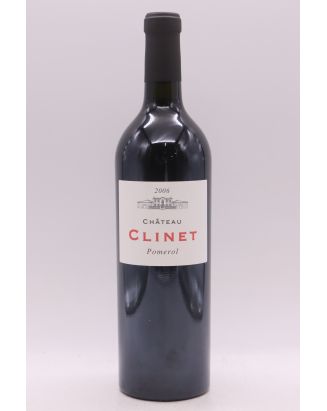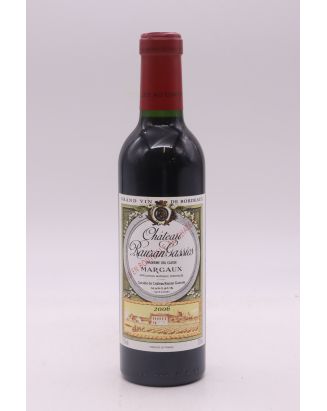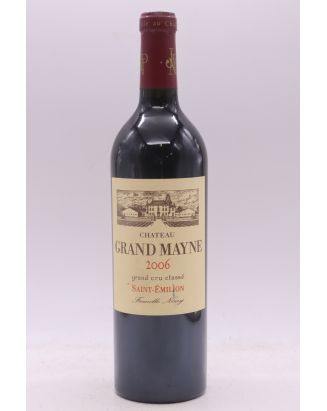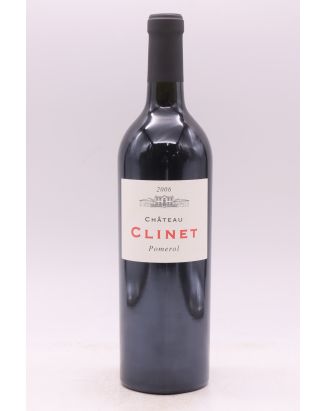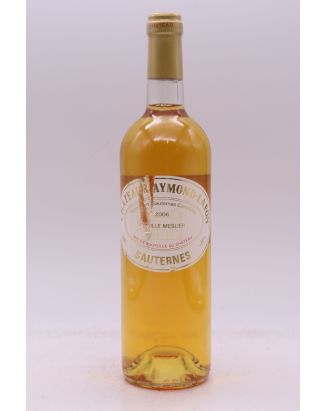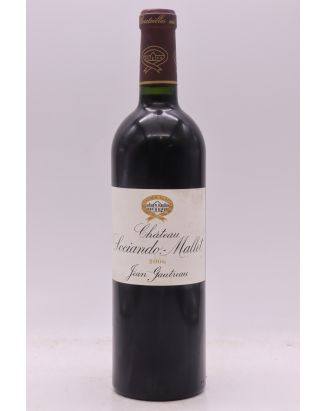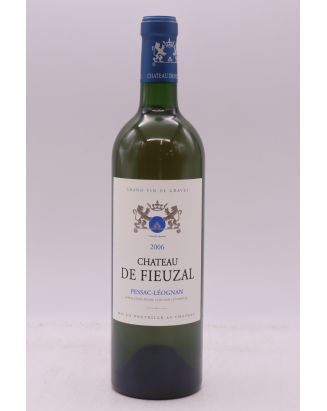
Raymond Lafon 2006
L'Arrosée 2006
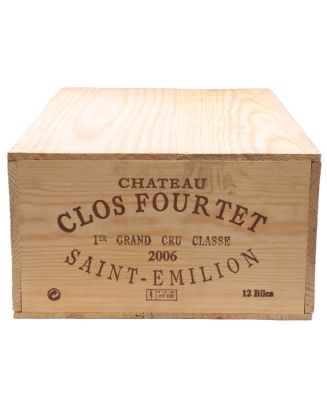
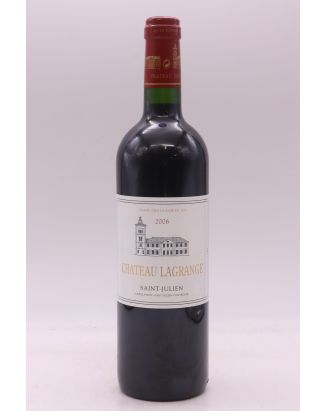
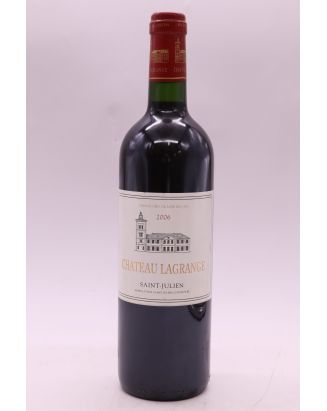
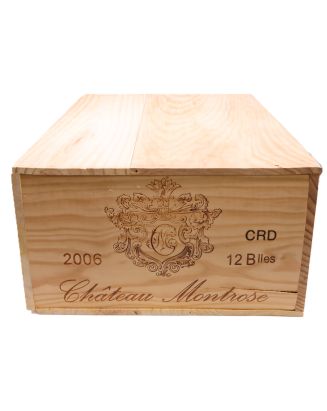
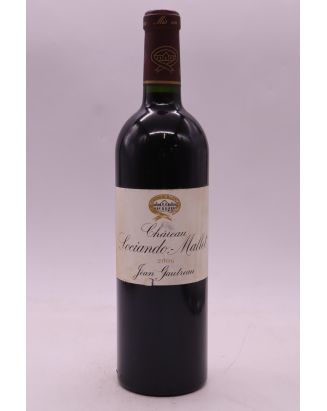
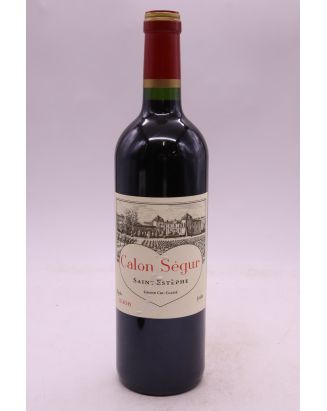
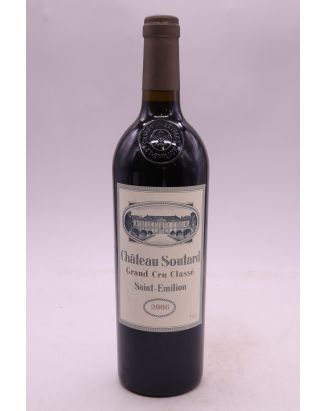
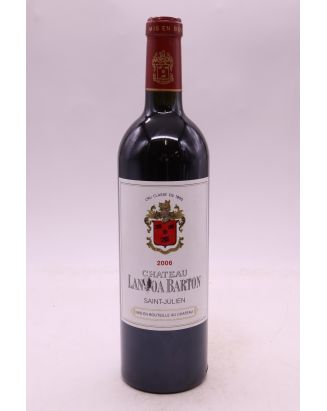
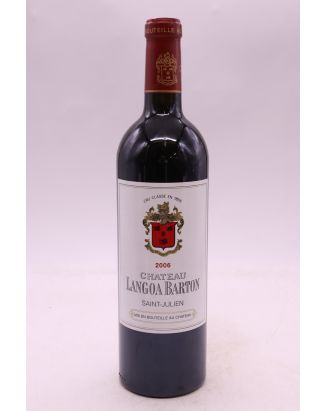
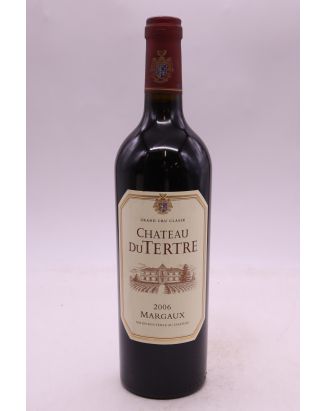
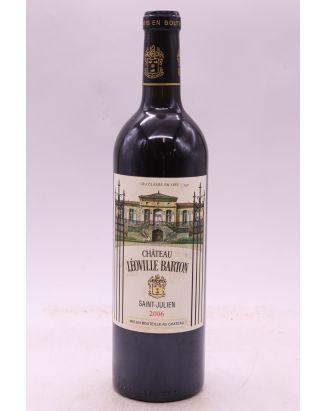
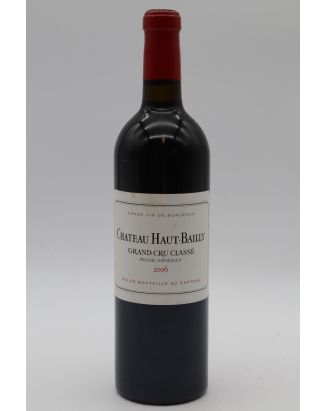
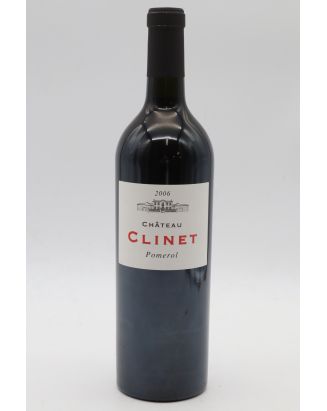
The 2006 season in Bordeaux was a true climatic roller coaster, testing the adaptability of the region's winemakers. A cold and wet winter set the stage, delaying budbreak and keeping the vines dormant until early spring. In June and July, the weather became hot and dry, with July temperatures exceeding averages by 4.4°C, pushing the grapes toward maturity. However, August brought a dramatic change, with cooling, overcast skies and drizzle that slowed veraison and swelled the berries with moisture. When all seemed uncertain, September arrived as a saving grace: a heat wave rivaling the intensity of 1921, followed by sunny and warm days that perfectly ripened the grapes. Yet the month was not without challenges, with mid-September thunderstorms and heavy rains particularly affecting late-ripening areas. Pomerol largely escaped the showers, harvesting early, while the Left Bank experienced mixed results depending on timing and terroir. October's fine weather rewarded those who waited, ensuring that careful selection would produce concentrated and structured wines. This dynamic vintage, shaped by nature's whims, underscores the expertise behind every bottle of 2006 Bordeaux wine.
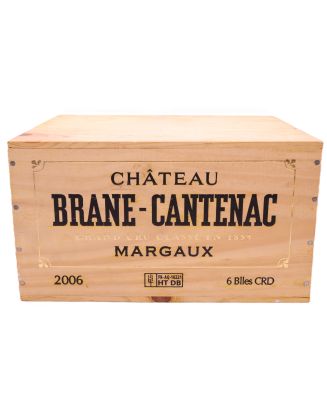
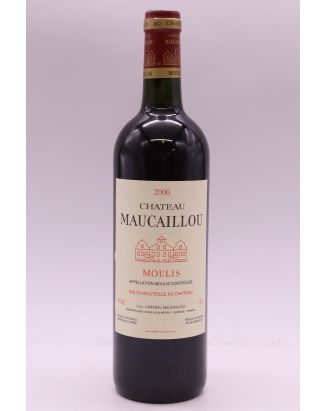
Bordeaux's Left Bank, encompassing the Médoc, Pauillac and Pessac-Léognan, established itself as a grand cru in the 2006 vintage, producing red and white wines of remarkable structure and finesse. Cabernet Sauvignon performed particularly well on the gravel soils that withstood the season's challenges, yielding wines with firm tannins, fresh acidity and deep fruit flavors. Pauillac stands out as the most consistent appellation, with Château Mouton Rothschild receiving praise as the wine of the vintage, a striking example of power and elegance. Nearby, Pontet-Canet delivered a superb offering, thanks to rigorous selection that reduced yields but elevated quality. Château Margaux and Château Latour favored a traditional and restrained style, showcasing the classic Bordeaux structure so beloved, while Château Haut-Brion added complexity and balance to the collection.
Pessac-Léognan also stood out, with its dry whites stealing the show. The cool August preserved acidity, and September's heat brought phenolic maturity, producing aromatic and fruity whites with delicate minerality. Château Pape Clément Blanc, rated 98 by Robert Parker, perfectly exemplifies this success with its vibrant clarity and aging potential. For red wine enthusiasts, the 2006 Left Bank vintage offers tannic and powerful wines that drink well now but promise future evolution. These highlights make the Left Bank a top choice for anyone looking to purchase 2006 Bordeaux wines.
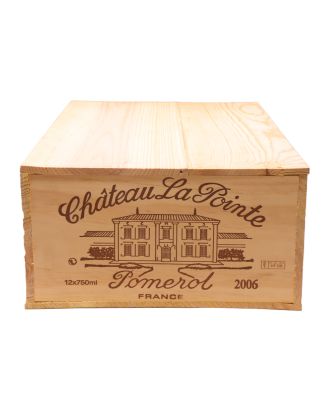
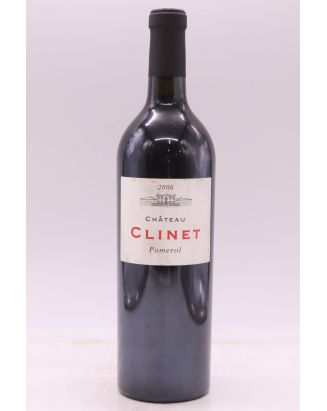
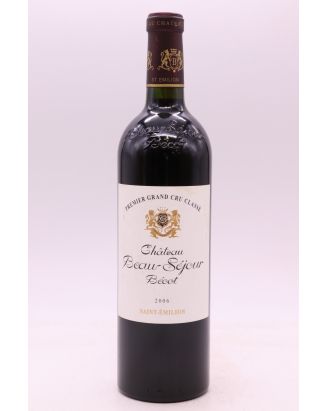
On the Right Bank, Pomerol and Saint-Émilion crafted some of the 2006 vintage's most captivating wines, with Merlot taking center stage on the clay and limestone soils. Pomerol particularly shone, avoiding much of the September rains by harvesting early. The result? Concentrated and opulent wines with supple tannins and hedonistic charm. Château Pétrus and Château La Conseillante produced remarkable examples, blending rich fruit and aromatic complexity that appeals to both immediate drinkers and patient collectors. Château Cheval Blanc, rated 97 by Robert Parker, further elevates the Right Bank's reputation with its measured elegance and depth.
Saint-Émilion showed more variability but nevertheless delivered gems. Château Angélus and Château Pavie crafted exceptional wines, balancing ripe fruit and masculine structure, while Château Ausone added finesse to the ensemble. Although Pomerol generally surpassed its neighbor, Saint-Émilion's best offerings hold their own with impressive quality. The 2006 Right Bank vintage wines offer a softer and more accessible style compared to the Left Bank, making them versatile in any cellar. For those looking to taste the lush, Merlot-based side of Bordeaux, these wines are essential.
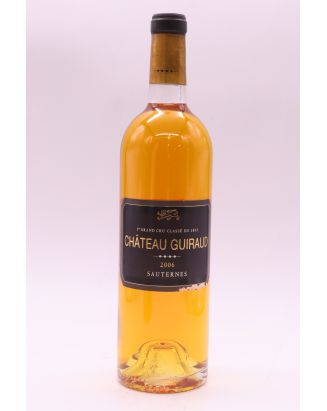
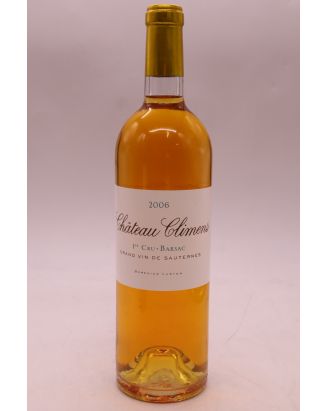
The sweet wines of Sauternes and Barsac in the 2006 Bordeaux vintage are a triumph of perseverance, overcoming a season of limited botrytis influence to produce rich and balanced treasures. Harvest selection was crucial, with winemakers meticulously harvesting the finest grapes to craft wines with concentrated sweetness, toasted notes and vibrant acidity. Château d'Yquem, earning a remarkable 98 from Robert Parker, leads the way with its luxurious profile and aging complexity, drawing comparisons with the prestigious 1998 vintage. Château Suduiraut also impressed, offering a round and harmonious wine that delights the palate with its depth and elegance.
Although production was lower than in 2005, the quality of these sweet wines remains exceptional, particularly on the clay soils of Sauternes and limestone soils of Barsac. Their well-defined aromas and balanced structure make them highly sought after by collectors and dessert wine enthusiasts. For those looking to purchase 2006 Bordeaux sweet wines, Sauternes and Barsac offer a decadent experience that promises to evolve beautifully over time, adding a touch of opulence to any collection.
The 2006 Bordeaux vintage has received high praise from Robert Parker and The Wine Advocate, highlighting its quality across all categories. Château Cheval Blanc earned an impressive 97, reflecting its elegance and power, while Château d'Yquem, with a 98, confirms its status as an icon of sweet wines. Dry whites like Laville-Haut-Brion Blanc and Pape Clément Blanc both scored 98 points, celebrated for their precision and fruity intensity. The Wine Advocate's vintage guide further validates the vintage's appeal, rating Pomerol as "Exceptional" at 90T for its tannic and youthful reds, and Barsac/Sauternes as "Above Average to Excellent" at 88R, emphasizing their drinkability. Graves/Pessac-Léognan and Margaux both scored 87E and 88E, respectively, for their early accessibility.
Critics praised the vintage's classic structure, with wines like Mouton Rothschild acclaimed as highlights by several critics. The aromatic concentration of the dry whites and the luxurious balance of the sweet wines also attracted attention, positioning 2006 as a vintage of resilience and refinement. These vintage ratings and expert recommendations strongly advocate for adding 2006 Bordeaux to your collection.
So, why buy 2006 Bordeaux wines? This vintage offers a unique blend of accessibility and longevity, appealing to both casual drinkers and serious collectors. The reds, with their firm tannins and fresh acidity, provide a classic Bordeaux experience that drinks very well today while being promising for the future. The structured cabernet-based Left Bank wines and the lush merlot-based Right Bank wines bring diversity, while the dry white wines of Pessac-Léognan bring vibrant freshness to the table. The sweet wines of Sauternes add a touch of richness, perfect for special occasions or long-term aging.
Beyond their taste, these wines carry the prestige of Bordeaux's greatest estates, from Mouton Rothschild to Yquem, which guarantees their quality and exclusivity. The rarity of the 2006 vintage, due to reduced yields and meticulous selection, reinforces its appeal and makes it a top choice in the secondary market. Whether you are building a cellar or looking for a memorable bottle, 2006 Bordeaux wines offer exceptional value and character. Don't miss the opportunity to purchase 2006 Bordeaux at the best price and savor a vintage that proves great wines can emerge even from the most challenging seasons.
COLLECTION NEAR PARIS & VAT REFUND FOR TOURISTS
Free collection in our warehouse near central Paris (92)