 Personalise your experience




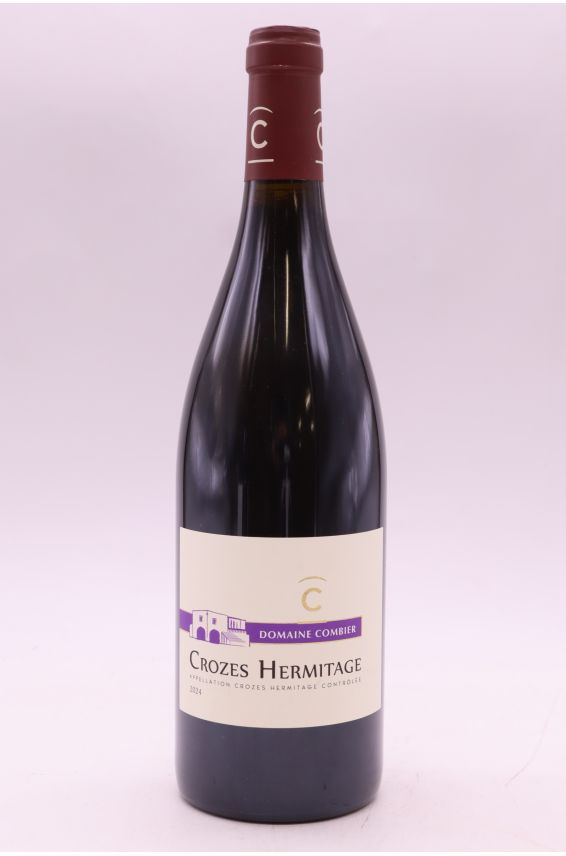
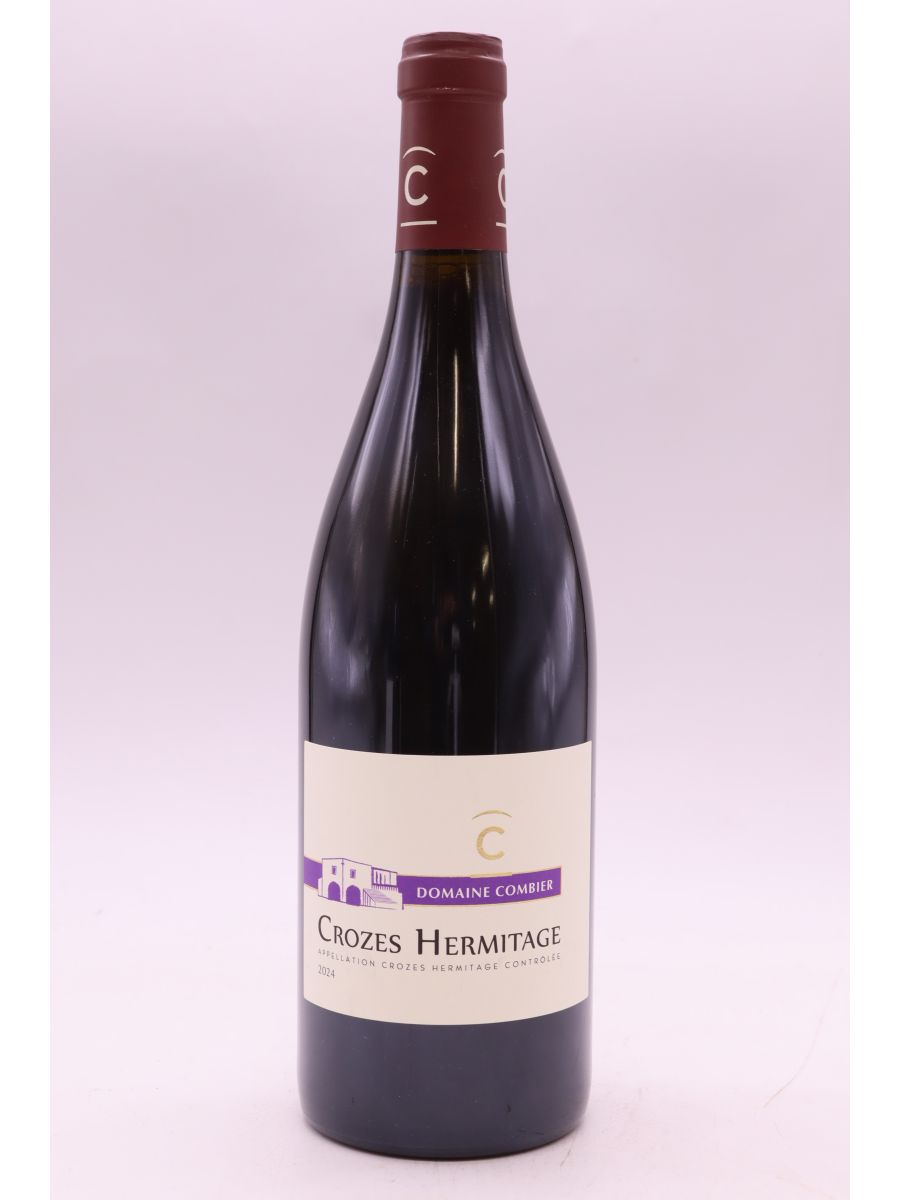
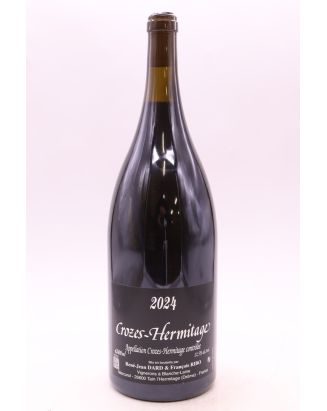
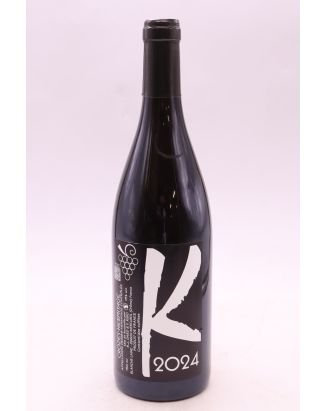
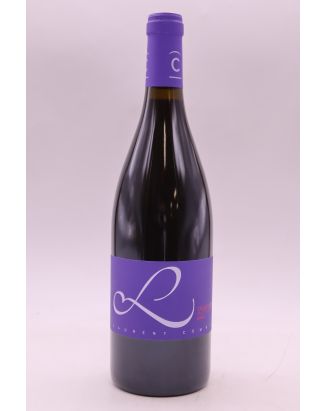
Laurent Combier Crozes Hermitage 2024
100% of our wines are in stock
Shipping under
48/72h
International shipping (our rates)
Ask a question /
Need help ?
+33(0)1 46 25 98 47 / email
The Laurent Combier Crozes-Hermitage 2024 embodies the generous soul of the Northern Rhône Valley, where Syrah flourishes on clay-limestone soils dotted with rounded rolling pebbles.
Here, the clay-limestone soils, dotted with rounded pebbles, converse with the loessic hillsides to offer Syrah a unique setting. These terroirs, shaped by time and the Mediterranean climate, confer upon the wines a vibrant minerality and a depth that sets them apart. The winemaking is a skilful balance between tradition and modernity. The ovoid concrete vats, chosen for their thermal inertia, preserve the freshness of the fruit, while aging in used oak barrels brings a touch of complexity without ever dominating the soul of the wine. For more than half a century, the estate has been certified in organic farming, a commitment that reflects its dedication to producing authentic, living wines in perfect harmony with their environment.
Sourced from the estate's young vines, this Crozes-Hermitage draws its strength from the clay-limestone soils of the southern part of the appellation, where rounded pebbles store the heat of the sun to release it slowly to the vine. The 2024 vintage, marked by a hot summer tempered by cool nights, allowed the grapes to reach optimal ripeness, thus preserving their radiance and vivacity. A wine that, without pretension, seduces by its richness and straightforwardness.
At the table, this Crozes-Hermitage reveals a rare versatility. It will accompany with brilliance simple yet flavourful dishes: a slow-cooked Provençal daube, a duck magret with figs, or aged cheeses such as Saint-Nectaire or Bleu d'Auvergne. For lovers of grilled meats, it will be the ideal companion to a rack of lamb with Provence herbs or a gourmet cep burger. Served at 17-18°C, after half an hour of decanting, it will reveal its full aromatic palette, transforming each tasting into a moment of pure pleasure. A bottle to share, to savour, and to rediscover over the years.
What are the dominant aromas of this wine and how do they evolve on the palate?
This wine reveals intense aromas of fresh red fruits, such as raspberry and cherry. On the palate, it offers an ample and crunchy structure with a beautiful richness, while the finish extends on spiced notes, notably pepper, bringing a touch of complexity.
Why is part of the aging carried out in ovoid concrete vats?
Ovoid concrete vats are used for 70% of the aging in order to keep the lees in suspension. This magnifies the fruity aromas and brings a rounder, more vibrant texture to the wine, while preserving its natural freshness.
What is the influence of the terroir on this wine?
The clay-limestone soils with rounded pebbles, typical of the southern part of the appellation, bring a distinctive minerality and a balanced structure. The pebbles store the heat of the day to release it at night, promoting optimal ripening of the grapes, while the clay retains water, ensuring a regular supply to the vines.
Can this wine be kept for a long time and under what conditions?
This wine has an ageing potential of 15 years, with a peak period between 2025 and 2029. For optimal storage, it is recommended to keep it in a cool place (12-14°C), away from light and temperature variations, ideally lying on its side.
What is the distinctive feature of the winemaking for this vintage?
The winemaking takes place over 20 days in temperature-controlled concrete vats, with total destemming of the grapes. Pump-overs are carried out morning and evening to delicately extract the tannins and aromas, while punch-downs aerate the must, promoting a harmonious extraction of phenolic compounds.
Why do the barrels used for aging have more than 8 years of use?
Barrels and demi-muids of more than 8 years old are chosen to avoid an overly pronounced contribution of new wood, which could dominate the wine's fruity aromas. Their use allows for gentle micro-oxygenation, refining the structure without altering the purity of the fruit.
You might also like


Other Wines from the appellation Crozes Hermitage