
 Personalise your experience




 Sign in
 Cart
0
Cart
0


French wine vintage score chart

French wine vintage ratings chart: complete rankings by region and year
Mastering the art of choosing a fine wine often begins with a close look at the years. The vintage, a reflection of a season’s climate, shapes a wine’s quality as much as the winemaker’s work. Whether you enjoy red Bordeaux wines or are passionate about white Burgundy wines, consulting a vintage chart is a valuable way to identify the best years across France’s wine regions and gauge a bottle’s aging potential.
Key takeaways:
- The vintage = the year the grapes were harvested (not bottled), with at least 85% required to come from the stated year
- Scores are regional averages out of 20; a meticulous winemaker can excel even in a lesser year
- Standout vintages across regions: 2005, 2009, 2010 and 2015 can be recommended with confidence in almost every region
- Chart covering 1930 to 2022 across 9 regions: Bordeaux, Burgundy, Northern/Southern Rhône, Champagne, Loire and Alsace, with Beaujolais as an additional region
- Legendary historic vintages: 1945 (Victory), 1947, 1961, 1978, 1982, 1990—benchmarks for age-worthy wines
What is a vintage? Definition and rules
The vintage must refer to the year the grapes were harvested, not the year of bottling. A wine aged for 18 months in barrels and bottled two years after the harvest still bears the harvest year as its vintage.
Showing a vintage on the label is not mandatory. When wines from multiple years are blended, regulations require at least 85% of the wine to come from the year shown, except for vintage Champagne, for which 100% of the grapes must come from the stated year. This practice allows estates to offer a consistent profile from one year to the next, particularly in difficult vintages.
Non-vintage wines are common in Champagne (blends of several years), as well as among certain naturally sweet wines and fortified wines.
Why use a vintage ratings chart?
A vintage chart offers a clear, concise overview of wine quality in the main wine regions. Its scores help you assess a wine’s aging potential, when it may reach its peak or whether it is ready to drink now.
Every vintage has its own character. Some leave a lasting impression on the palate, such as 2005, 2009 and 2010 in Bordeaux, while others stand out for their finesse or freshness, such as 2014 for white Burgundy. This year-by-year wine ranking makes it easier to choose a bottle with confidence, whether to drink now or to add thoughtfully to your cellar.
How do you read vintage ratings?
Vintage ratings, assigned by professional tasters, are generally expressed on a 20-point scale (or a 100-point scale by English-speaking critics such as Robert Parker). They summarize the weather conditions of each growing season.
Here are the commonly used rating tiers:
|
Score /20 |
Vintage quality |
|
20 |
Memorable vintage |
|
18 – 19 |
Excellent vintage |
|
15 – 17 |
Very good vintage |
|
12 – 14 |
Respectable vintage |
|
10 – 11 |
Average vintage |
|
5 – 9 |
Poor vintage |
Important: these scores are regional averages. They do not account for microclimates, grape sorting at harvest or each estate’s winemaking choices. A meticulous winemaker can produce an excellent wine even in a poorly rated year.
What makes a good vintage? Key weather factors
A "good year" depends on a combination of favorable conditions throughout the growing season:
- A cold winter to let the vines rest
- A mild spring with moderate rainfall for healthy vines and even flowering
- A sunny summer without excessive heat, with some rain to prevent water stress that can halt ripening
- Dry harvest conditions, ideally preceded by a little rain 3 to 4 weeks before picking
- Cool nights late in the season to preserve acidity and aromatic freshness
Heatwave vintages (such as 2003) produce rich wines that can sometimes be heavy and low in acidity. Late vintages expose grapes to greater weather risks toward the end of the growing cycle. Years marked by hail or severe storms can devastate a vineyard in minutes.
Vintage ratings chart: All French regions
This chart covers the major vintages since 2003 for France’s main wine regions: red Bordeaux, white Bordeaux/sweet Bordeaux, white Burgundy, red Burgundy, Northern Rhône, Southern Rhône, Champagne, the Loire Valley and Alsace. Scores are out of 20.
|
Year |
Red Bordeaux |
White/sweet Bordeaux |
White Burgundy |
Red Burgundy |
Northern Rhône |
Southern Rhône |
Champagne |
Loire |
Alsace |
|
18 |
19 |
17 |
18 |
18 |
19 |
18 |
17 |
18 |
|
|
15 |
17 |
17 |
16 |
16 |
15 |
19 |
17 |
16 |
|
|
18 |
18 |
18 |
18 |
19 |
19 |
17 |
17 |
18 |
|
|
18 |
18 |
17 |
18 |
19 |
19 |
17 |
18 |
18 |
|
|
18 |
19 |
18 |
17 |
17 |
18 |
16 |
17 |
17 |
|
|
16 |
17 |
16 |
16 |
17 |
17 |
15 |
15 |
16 |
|
|
19 |
18 |
17 |
18 |
18 |
17 |
18 |
18 |
17 |
|
|
19 |
17 |
17 |
19 |
19 |
19 |
17 |
18 |
18 |
|
|
2014 |
15 |
16 |
19 |
16 |
17 |
15 |
18 |
17 |
17 |
|
13 |
14 |
14 |
13 |
13 |
14 |
15 |
13 |
14 |
|
|
15 |
15 |
15 |
14 |
16 |
15 |
17 |
15 |
16 |
|
|
15 |
15 |
14 |
14 |
16 |
16 |
16 |
14 |
15 |
|
|
2010 |
20 |
19 |
16 |
18 |
19 |
20 |
17 |
18 |
18 |
|
2009 |
19 |
18 |
17 |
19 |
18 |
19 |
18 |
17 |
17 |
|
15 |
17 |
16 |
15 |
15 |
14 |
18 |
16 |
16 |
|
|
14 |
19 |
16 |
14 |
15 |
15 |
16 |
15 |
16 |
|
|
16 |
16 |
15 |
15 |
17 |
16 |
16 |
15 |
16 |
|
|
2005 |
19 |
18 |
18 |
18 |
17 |
17 |
17 |
17 |
18 |
|
15 |
15 |
15 |
15 |
15 |
15 |
16 |
15 |
15 |
|
|
2003 |
17 |
17 |
14 |
16 |
18 |
18 |
15 |
16 |
18 |
|
2002 |
14 |
15 |
19 |
17 |
15 |
14 |
18 |
16 |
16 |
|
2001 |
16 |
19 |
16 |
15 |
16 |
16 |
16 |
16 |
17 |
|
2000 |
18 |
16 |
15 |
15 |
17 |
17 |
15 |
16 |
16 |
|
15 |
15 |
16 |
16 |
16 |
16 |
16 |
16 |
16 |
|
|
16 |
16 |
15 |
15 |
18 |
17 |
15 |
15 |
15 |
|
|
13 |
18 |
15 |
13 |
14 |
14 |
16 |
14 |
15 |
|
|
17 |
16 |
18 |
16 |
16 |
15 |
19 |
17 |
17 |
|
|
17 |
16 |
17 |
17 |
17 |
17 |
17 |
16 |
17 |
|
|
13 |
14 |
14 |
13 |
15 |
14 |
15 |
14 |
14 |
|
|
12 |
13 |
13 |
12 |
13 |
13 |
15 |
13 |
13 |
|
|
11 |
13 |
13 |
12 |
12 |
12 |
14 |
13 |
12 |
|
|
12 |
13 |
14 |
13 |
16 |
14 |
14 |
13 |
13 |
|
|
19 |
19 |
18 |
20 |
19 |
19 |
18 |
17 |
18 |
|
|
18 |
19 |
17 |
18 |
18 |
19 |
19 |
18 |
18 |
|
|
17 |
18 |
17 |
17 |
17 |
16 |
18 |
16 |
17 |
|
|
12 |
14 |
14 |
12 |
13 |
12 |
14 |
13 |
13 |
|
|
17 |
17 |
15 |
15 |
15 |
15 |
16 |
15 |
16 |
|
|
17 |
15 |
16 |
17 |
17 |
17 |
17 |
16 |
17 |
|
|
11 |
12 |
13 |
11 |
12 |
11 |
13 |
12 |
12 |
|
|
17 |
19 |
15 |
15 |
16 |
17 |
17 |
15 |
19 |
|
|
1982 |
19 |
16 |
15 |
15 |
16 |
16 |
15 |
15 |
16 |
|
14 |
14 |
14 |
13 |
14 |
13 |
14 |
13 |
14 |
|
|
12 |
15 |
13 |
12 |
13 |
12 |
14 |
13 |
13 |
|
|
15 |
14 |
15 |
15 |
15 |
14 |
15 |
14 |
15 |
|
|
16 |
14 |
17 |
19 |
19 |
17 |
15 |
15 |
17 |
|
|
10 |
12 |
11 |
10 |
11 |
10 |
13 |
11 |
11 |
|
|
16 |
16 |
15 |
17 |
17 |
17 |
16 |
16 |
18 |
|
|
17 |
18 |
14 |
13 |
15 |
15 |
16 |
14 |
15 |
|
|
11 |
11 |
12 |
11 |
12 |
11 |
13 |
11 |
12 |
|
|
12 |
12 |
14 |
12 |
13 |
12 |
13 |
12 |
13 |
|
|
9 |
10 |
11 |
10 |
10 |
9 |
12 |
10 |
10 |
|
|
16 |
16 |
19 |
18 |
17 |
17 |
17 |
16 |
17 |
|
|
17 |
15 |
14 |
14 |
16 |
16 |
15 |
15 |
15 |
|
|
12 |
13 |
17 |
17 |
15 |
14 |
16 |
14 |
15 |
|
|
7 |
8 |
8 |
7 |
8 |
7 |
10 |
8 |
8 |
|
|
14 |
18 |
13 |
13 |
14 |
14 |
15 |
13 |
14 |
|
|
16 |
14 |
17 |
17 |
16 |
15 |
17 |
15 |
16 |
|
|
6 |
8 |
7 |
6 |
7 |
6 |
9 |
7 |
7 |
|
|
16 |
13 |
14 |
16 |
17 |
16 |
8 |
14 |
15 |
|
|
1963 |
6 |
7 |
7 |
7 |
7 |
6 |
10 |
7 |
7 |
|
15 |
14 |
17 |
16 |
15 |
14 |
17 |
14 |
15 |
|
|
20 |
17 |
18 |
19 |
19 |
18 |
17 |
17 |
17 |
|
|
10 |
11 |
11 |
10 |
10 |
10 |
13 |
11 |
11 |
|
|
18 |
19 |
16 |
18 |
18 |
17 |
17 |
16 |
18 |
|
|
1958 |
12 |
13 |
12 |
11 |
12 |
11 |
13 |
12 |
12 |
|
9 |
13 |
10 |
9 |
10 |
9 |
12 |
10 |
11 |
|
|
5 |
7 |
6 |
6 |
6 |
5 |
8 |
6 |
6 |
|
|
17 |
17 |
16 |
16 |
16 |
16 |
17 |
15 |
16 |
|
|
9 |
10 |
8 |
10 |
9 |
9 |
11 |
9 |
9 |
|
|
17 |
16 |
15 |
17 |
16 |
16 |
16 |
15 |
16 |
|
|
15 |
15 |
16 |
16 |
15 |
14 |
15 |
14 |
15 |
|
|
7 |
8 |
7 |
7 |
7 |
7 |
9 |
7 |
7 |
|
|
14 |
15 |
15 |
15 |
15 |
14 |
14 |
14 |
14 |
|
|
18 |
18 |
17 |
19 |
17 |
17 |
17 |
16 |
17 |
|
|
1948 |
13 |
12 |
13 |
13 |
13 |
12 |
13 |
12 |
13 |
|
18 |
20 |
16 |
18 |
16 |
17 |
15 |
16 |
17 |
|
|
1946 |
11 |
9 |
11 |
10 |
10 |
10 |
12 |
14 |
9 |
|
20 |
20 |
18 |
20 |
20 |
19 |
18 |
18 |
20 |
|
|
11 |
11 |
10 |
10 |
6 |
6 |
9 |
9 |
4 |
|
|
17 |
14 |
16 |
17 |
17 |
16 |
13 |
17 |
14 |
|
|
13 |
16 |
14 |
12 |
16 |
13 |
11 |
14 |
12 |
|
|
10 |
9 |
9 |
9 |
10 |
10 |
7 |
6 |
5 |
|
|
12 |
13 |
8 |
12 |
8 |
10 |
11 |
6 |
10 |
|
|
1939 |
10 |
10 |
9 |
9 |
9 |
8 |
10 |
9 |
3 |
|
1938 |
9 |
12 |
10 |
8 |
10 |
10 |
12 |
13 |
9 |
|
16 |
20 |
18 |
14 |
18 |
17 |
17 |
16 |
17 |
|
|
1936 |
7 |
11 |
9 |
7 |
9 |
9 |
12 |
11 |
9 |
|
8 |
12 |
13 |
7 |
10 |
8 |
15 |
10 |
14 |
|
|
17 |
15 |
17 |
17 |
17 |
16 |
16 |
16 |
17 |
|
|
1933 |
12 |
11 |
16 |
13 |
16 |
15 |
17 |
17 |
15 |
|
1932 |
5 |
4 |
3 |
5 |
3 |
4 |
5 |
5 |
7 |
|
1931 |
3 |
2 |
2 |
2 |
4 |
3 |
3 |
8 |
3 |
|
1930 |
5 |
4 |
4 |
5 |
4 |
3 |
3 |
4 |
3 |
Indicative scores based on weather patterns and professional tastings. They represent regional averages.
The best vintages by wine region
Bordeaux: Reds and whites
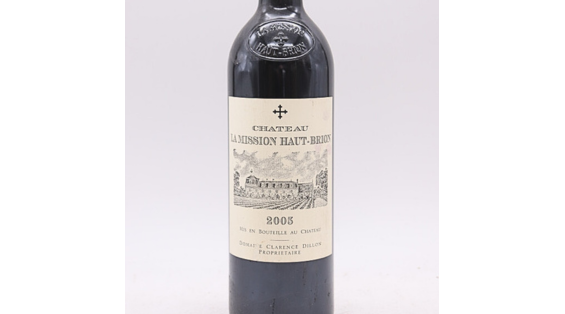
The great vintages for red Bordeaux are 1982, 1990, 2000, 2005, 2009, 2010 and 2016. These years combine optimal ripeness with perfect balance, producing powerful wines with silky tannins that can age for a very long time. On the Left Bank (Médoc, Graves), Cabernet Sauvignon reaches full phenolic ripeness in these years, avoiding any herbaceous aromas.
For dry white Bordeaux, 2010 and 2015 are benchmark vintages. For Sauternes and other sweet wines, the best vintages are 2001, 2003, 2005, 2007, 2009 and 2018, producing wines with exceptional aging potential.
Years such as 2013 produced more modest reds. A discerning wine lover can turn to second wines or estates that made successful selections, while paying close attention to the bottles’ provenance and storage.
Burgundy: Whites and reds
In Burgundy, variations from one year to the next are particularly striking because the region lies at the crossroads of continental, maritime and Mediterranean climate influences. Wines with an appellation are almost never blended across vintages (except Crémant de Bourgogne).
White Burgundy: 2014 stands out for its lively, mineral style, pronounced freshness and remarkable length. 2019 and 2020 were also highly successful. Note that 2016 saw greatly reduced yields due to frost.
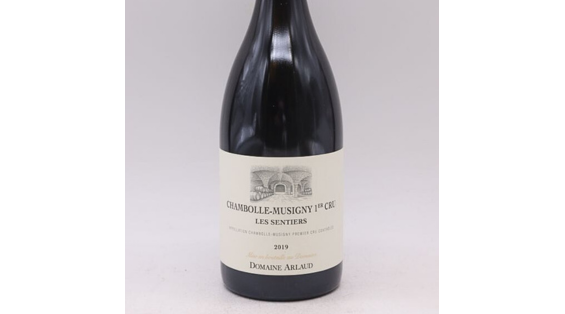
Red Burgundy: 2009, 2015 and 2019 are regularly praised for their richness, generous aromas and rounded tannins. Pinot Noir reflects the subtle differences in each vintage’s weather particularly well.
Côtes-du-Rhône: North and South
The Northern Rhône (Syrah: Hermitage, Côte-Rôtie, Crozes-Hermitage) and Southern Rhône (Grenache blends: Châteauneuf-du-Pape, Gigondas) do not always respond in the same way to the same weather conditions. 2010, 2015, 2019 and 2020 rank among the best vintages for both subregions.
Champagne
Champagne produces mostly non-vintage wines by blending wines from several years to maintain a consistent style. Vintage Champagnes are made only in the best years. 2012, 2014, 2019 and 2021 are considered excellent Champagne vintages, offering freshness, complexity and aging potential.
Loire
The Loire is home to a wide range of grape varieties (Chenin Blanc, Sauvignon Blanc, Cabernet Franc, Melon de Bourgogne...) that do not always respond in the same way to the same weather conditions. 2005, 2010, 2014 and 2016 yielded exceptional age-worthy wines, particularly Cabernet Franc from Bourgueil, Chinon and Saumur-Champigny. The 2011 and 2012 vintages called for rigorous selection.
Alsace
Protected by the Vosges Mountains, Alsace enjoys a particularly dry, sunny microclimate. Riesling and Gewurztraminer from 2005, 2007, 2010, 2015 and 2017 are among the most highly regarded vintages, combining concentration, mineral freshness and aging potential.
Beaujolais
The best of Beaujolais emerged in the exceptional 2005 and 2009 vintages. From 2014 to 2019, wine lovers also enjoyed fine vintages ready to drink upon release. 2022 is considered a very good year for aging Beaujolais crus.
Exceptional vintages across all French regions
Some years have earned almost universal acclaim across France’s wine regions. Among more recent vintages, 2005, 2009, 2010 and 2015 are four you can recommend with confidence in nearly every region. Looking further back, 1990, 1996, 2000 also made a lasting impression on wine lovers.
Practical tips for using this vintage ranking
Relying solely on vintage rankings can mean missing out on great discoveries. Some producers excel even in years considered average, thanks to strict grape selection and proven expertise.
A few good practices:
- Consult multiple sources: Hachette guides, Parker ratings, Bettane & Desseauve, Wine Spectator
- Consider the estate: the producer’s identity and terroir remain decisive
- Check storage conditions: even a great vintage can disappoint if it has not been stored properly
- Match your preferred style: a powerful Bordeaux from a great vintage will appeal to those who enjoy intensity, while a cooler year will better suit those who favor finesse
- Consider how the wine has evolved: some early-maturing vintages may be past their peak, while others are still closed
Keep in mind that an excellent year in one region may be less impressive elsewhere. While 2010 was superb for red wines from Bordeaux and the Southern Rhône, it was less so for some white Burgundies. The influence of the local microclimate remains paramount.
Frequently asked questions about vintage ratings and wine quality
How does a vintage chart actually help when buying wine?
A vintage chart provides an overview of the quality of different years in each wine region. It helps you quickly identify the best vintages and tailor your choices to your preferred aging potential or style. Used alongside personalized advice and knowledge of the estates, the chart can guide you toward successful cuvées.
- A quick indication of each year’s potential
- Helps you avoid unpleasant surprises
- Make better purchases for aging or drinking soon
Are vintage rankings enough to choose a fine wine?
Vintage rankings help guide your choice, but they are never enough on their own. The producer’s identity, terroir and storage conditions remain essential. Even in a lesser year, a wine from a great estate can outperform the average. Always check the condition of the bottle and take your own preferences into account when choosing.
- Consider the producer as well as the vintage
- Check the storage history
- Always taste whenever possible
Do vintage ratings vary by type of wine?
Yes. An exceptional vintage for red wines will not necessarily be remarkable for whites. In Bordeaux, some years favor Cabernet Sauvignon more than Merlot, while others favor Merlot. In Burgundy, conditions often affect Chardonnay and Pinot Noir differently. That is why it is essential to consult a chart that distinguishes between wine colors and regions.
Are there perfect vintages for every wine region?
No vintage shines equally everywhere. Some years favor the north, others the south. It is therefore important to base your choice not only on overall vintage rankings but also on the characteristics of each wine region.
- Bordeaux and Burgundy respond differently in the same year
- The influence of the local climate changes how grape varieties express themselves
- Always check the relevant region in your vintage chart



COLLECTION NEAR PARIS & VAT REFUND FOR TOURISTS
Free collection in our warehouse near central Paris (92)